
The Ramen Chow Mein My Dad's Made 100,000 Times
Why this recipe
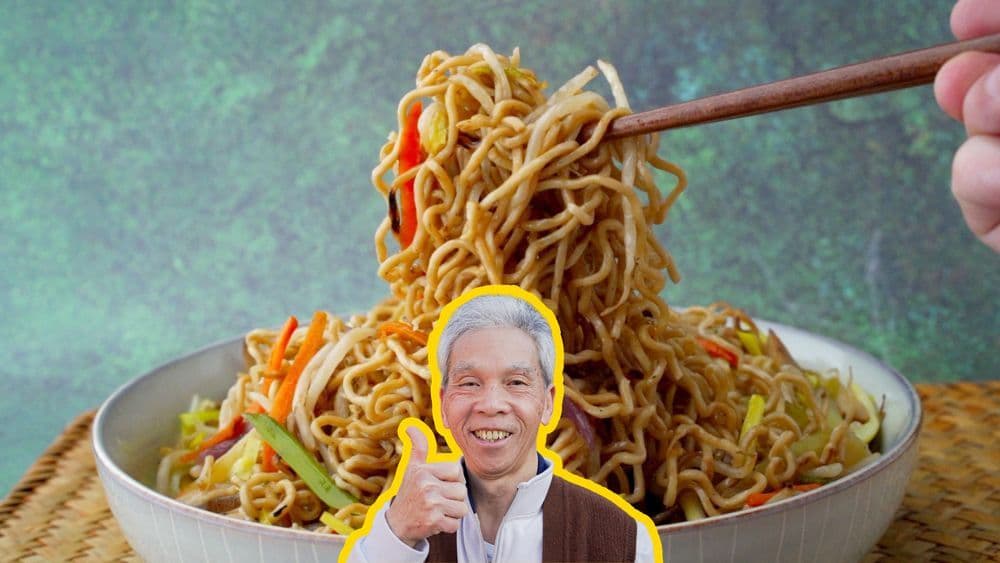
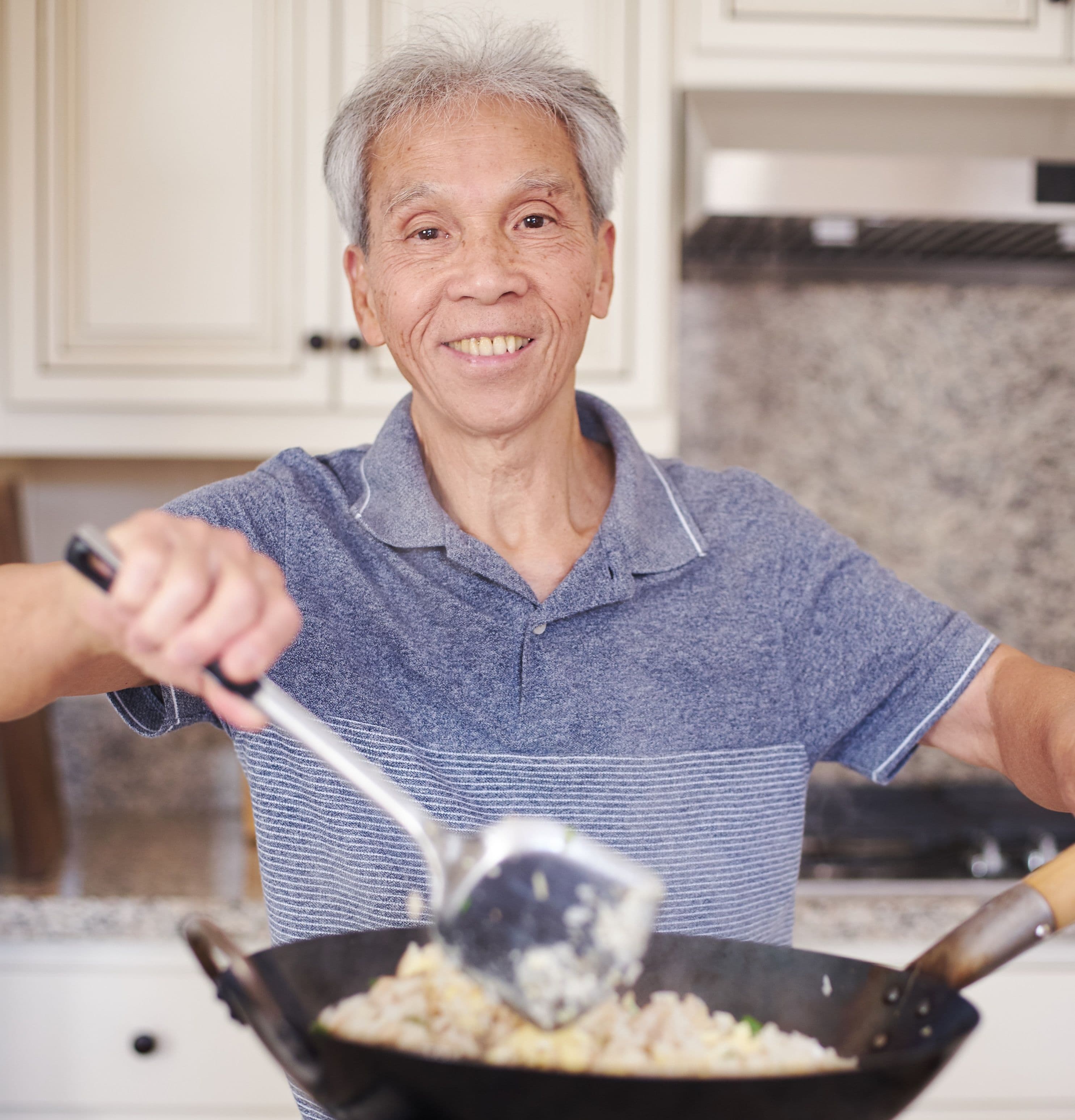
Most ramen chow mein recipes online are tested only a handful of times. My dad used to make this dish multiple times a day, every day, for 60+ years and can make this in his sleep.
I know you'll love it as much as our community does! This recipe has over 209.1K views, 4.5K likes on YouTube.
This recipe was a long time in the making! In our Soy Sauce Chow Mein recipe, my dad mentioned that you could use any sort of dried noodle, even ramen noodles. So ever since, I've been curious about what my dad would do using ramen/instant noodles.
The Healthiest Ramen in the World?
Serendipitously, we connected with Tim and the team at Vite Ramen, which is a really, really cool small business that makes, arguably, the healthiest ramen in the world.
I'll touch on their story later, but just know that the noodles we're using, aka Naked Noods, are extremely healthy - they're made with a mixture of quinoa and wheat, and contain TWENTY THREE grams of protein per block, which is insane. To put it in context, that's equivalent to about half the protein you'd get from a typical chicken breast. If you're looking for something more ready to go with seasoning included, then Vite Ramen is a fully nutritionally complete meal on its own with up to THIRTY ONE grams of protein. Their flavor packets are made with real miso powder imported from Japan, real chicken, and etc.
If you want to recreate my dad's chow mein recipe, or if you just want to get your chopsticks on an easy, healthy, delicious set of meals, click here for 10% off your order and a special starter package specifically for our Made With Lau community.
As a bonus, you'll be supporting both our channel and a fellow Asian-owned small business in the process.
Pairs well with
View all →
Ingredients
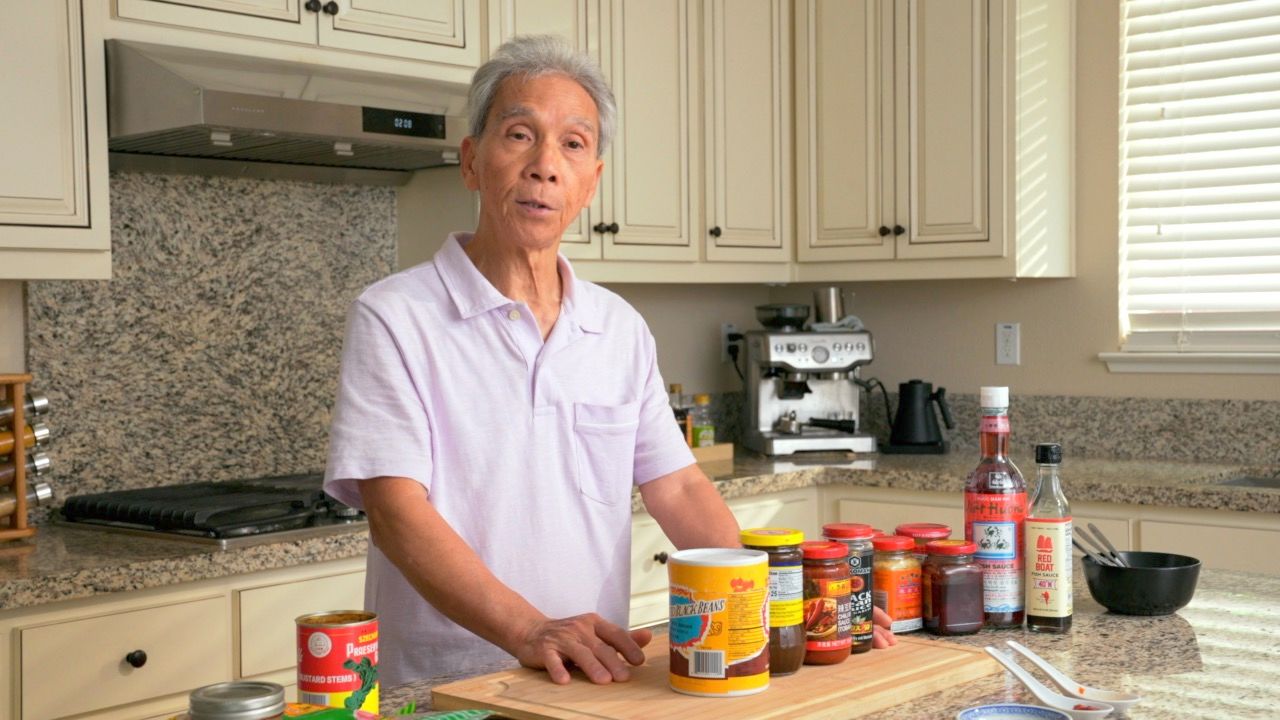
Finding Asian Ingredients
Some of these ingredients are hard to find in a typical grocery store.
If you don't live near an Asian market, most or all of what my dad uses in this recipe can be found on Amazon:
- Kadoya Sesame Oil - https://amzn.to/3c7EOTu
- Pearl River Bridge Superior Light Soy Sauce
- Pearl River Bridge Superior Dark Soy Sauce
- Lee Kum Kee Premium Oyster Sauce
I've also included some other Chinese kitchen essentials, used in many of my dad's other recipes.
- Michiu Rice Cooking Wine
- Lao Gan Ma Chili Oil
- Koon Chun Hoisin Sauce
- Shaoxing Cooking Wine
- Bullhead Shacha (BBQ Sauce)
- Dried Orange Peels
- Koon Chun Ground Bean Sauce
- Dried Shiitake Mushrooms (soak for 15-20 minutes in warm water before slicing)
- Dried Wood Ear Fungus (a few options, depending on what's in stock):
These links are affiliate links, which means that if you use our links to purchase these ingredients, Amazon pays my family a small amount for the sale - at no extra cost to you. If you use these links, we really appreciate the support!
Alternatives to Oyster Sauce
If you're vegetarian or need to stay away from gluten, we have three alternatives for you!
Vegetarian Oyster Sauce
Since oyster sauce is made out of oyster extract, here are some alternatives that have a similar taste without using the actual oyster:
- Wan Ja Shan Vegetarian Mushroom Oyster Sauce
- Lee Kum Kee Vegetarian Stir Fry Sauce
- Lee Kum Kee also sells a bigger container of this
Gluten Free Oyster Sauce
Wok Mei has a gluten-free oyster sauce, but it still contains oyster extract, so it's not vegetarian friendly.
Vegetarian + Gluten Free Oyster Sauce
Unfortunately, we don't know of a vendor that sells an oyster sauce that caters to both dietary restrictions, so you'll need to DIY the sauce.
Mix equal parts gluten free soy sauce and gluten free hoisin sauce. This isn't exactly the same as oyster sauce, but it's pretty close.
Other Supplies + Tools
You'll need a good wok, which provides a ton of versatility for the classic Chinese cooking methods: steaming, stir frying, deep frying, and etc.
It'll help to buy a steamer rack with holes. Otherwise, you can use a regular steamer rack and steam the noodles on a plate for an extra 2-3 minutes than my dad prescribes in this recipe.
Instructions
Prepare noodles
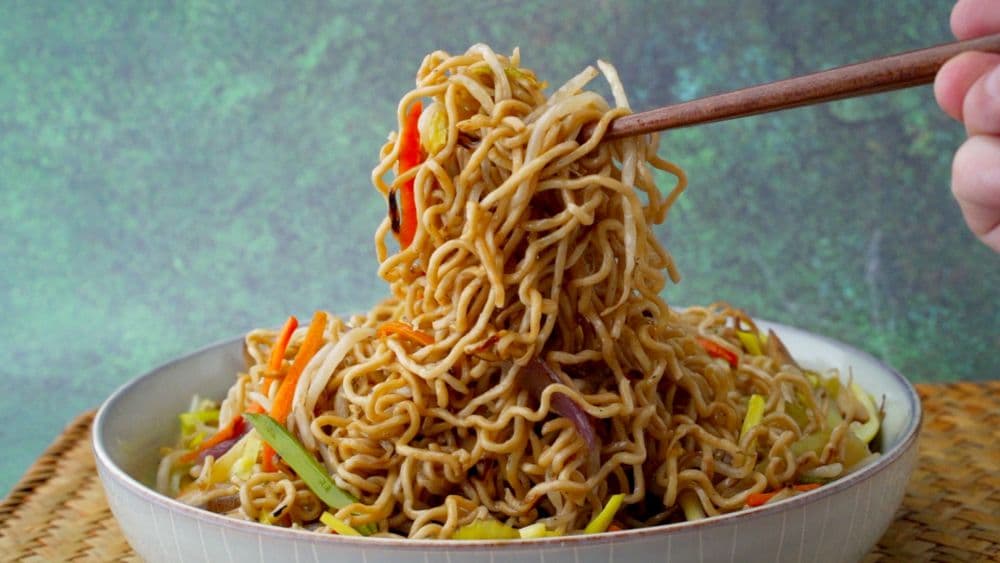
We'll start by boiling about 6 cups of water in a pot (the amount is pretty flexible).
Once the water is boiling, add the Vite Ramen Naked Noods (3 block) to the pot, stirring and separating them for 2-3 minutes.
- We talk about this a lot more in our video, but these noodles are seriously among the healthiest instant noodles on the planet. Each brick has 23 grams of protein (equivalent to half of a chicken breast) and a ton of other vitamins & nutrients!
- Click here to buy some for yourself & use code MADEWITHLAU at checkout for 10% off your purchase!
Drain the noodles with a colander, and then dunk them back into a pot or bowl of cold water for about a minute.
Drain the noodles again and set them aside.
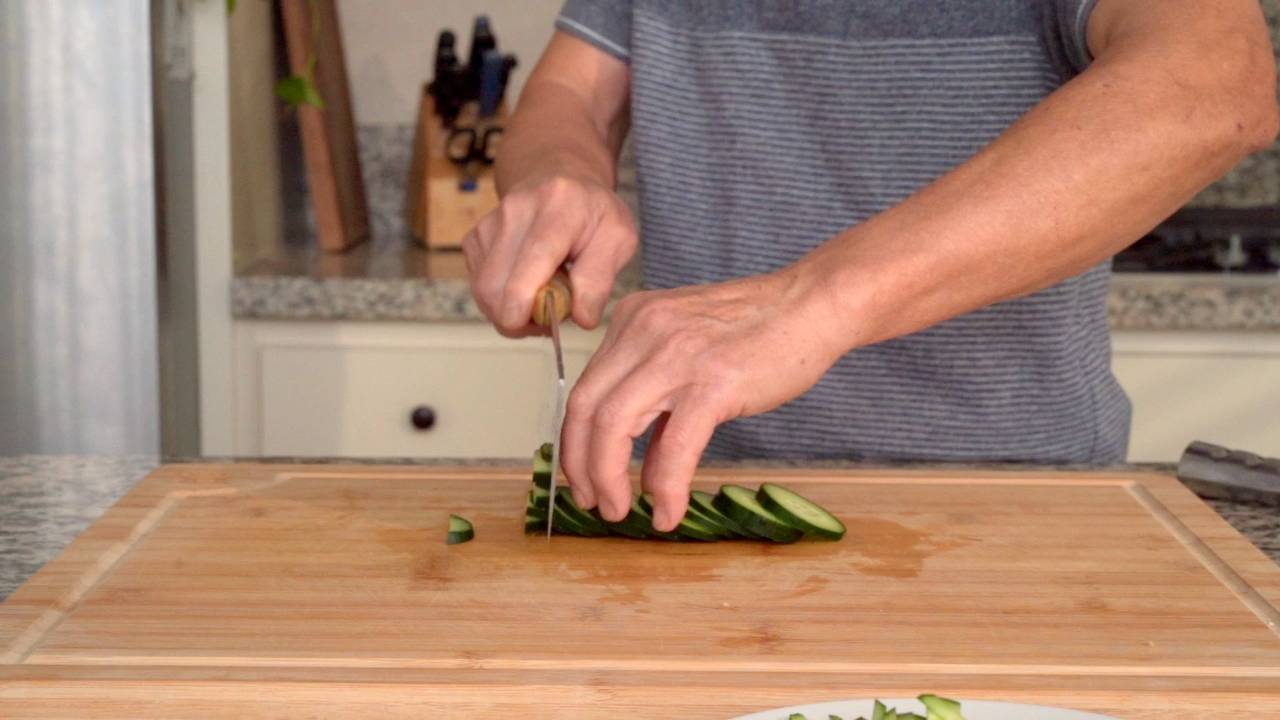
Prepare vegetables
We'll be washing and preparing several vegetables:
- celery (1 piece) - cut into small slices
- red onion - cut the onion into slices
- yellow chives (1 oz) - cut into about 1 inch pieces
- carrot (1 oz) - cut into slices, then strips
- king oyster mushroom (2 oz) - cut diagonally into slices, and then into strips. (diagonal cuts help the texture become less rough)
- green onion (1 piece) - cut diagonally into ~1 inch pieces
- bean sprouts (2 oz) - no cutting needed, just wash!
You can swap any of these out with other vegetables! Just try to avoid vegetables with higher water content (like bok choy).
Create sauce
To create our sauce, we'll be mixing oyster sauce (1 tbsp), sugar (1 tsp), water (2 tbsp), light soy sauce (1.5 tbsp), and dark soy sauce (1 tbsp) (gives it a darker color, slightly sweeter than light soy sauce).
Mix it well, and taste to see if it needs any adjustments.
Heat wok & oil
Heating the wok and oil sufficiently is very, very important for making chow mein and other stir fries. Especially for a carbon steel wok, this process helps ensure that the wok doesn't stick to the food.
We'll set our stove on high heat and heat the wok for 1-3 minutes until smoke just barely starts emerging.
- If you have a nonstick pan or wok, be careful with using high heat and certainly don't wait until smoke starts emerging, as it could damage the nonstick surface.
Once you can see smoke, add corn oil (1 tbsp) (or another high smoke point oil) and roll it around to cover the surface of the wok. Then, pour out the oil into a bowl to be used later.
- This is a popular Chinese restaurant cooking technique called "long yauh".
Wipe off the non-cooking sides of the wok.
Cook everything
Time to cook everything! This part is pretty straightforward but there are a few nuances with heat and timing that I'll point out as we go.
Add the celery, carrots, king oyster mushrooms first, and then the green onions and red onions.
- We don't need to add additional oil, as our wok is already oily enough.
- Cook the veggies for about 1.5 - 2 minutes, and then transfer them into a bowl.
Turn the heat completely off before adding the noodles. Transfer some of the oil back into the wok, and add the noodles. Stir and flip the noodles around constantly.
- The wok is still really hot, and he doesn't want to burn the noodles.
- After adding the oil and noodles, we'll turn the heat back up to high.
- We'll cook the noodles by themselves for about 2 minutes.
- Add more oil about halfway through.
Turn the heat off, and add the cooked vegetables back in. Shortly after, add the bean sprouts.
- Leave the heat off for about a minute before turning back on high again.
- Second, notice the noodles are kind of creating a blanket over the harder veggies. This traps the veggies in heat and helps them cook a bit more.
From here, we're cooking everything for about 5 minutes until we're done. These times will probably vary depending on your stove and wok situation, but hopefully, this helps as a starting point.
Add the sauce about 2 minutes in, and mix everything together.
We'll add the sesame oil (1 tsp) and yellow chives about 4 minutes after adding the first set of veggies, about 1 minute before we're done cooking everything.
You can also optionally add a bit more of the cooking oil to the wok to give it more of a shiny, smooth texture.
Taste & plate
Great chefs always try their creations throughout the process and adjust if necessary, so try it out and see if you're happy with it!
If so, then plate it and call your loved ones over. Time to eat!
Made with love ❤️
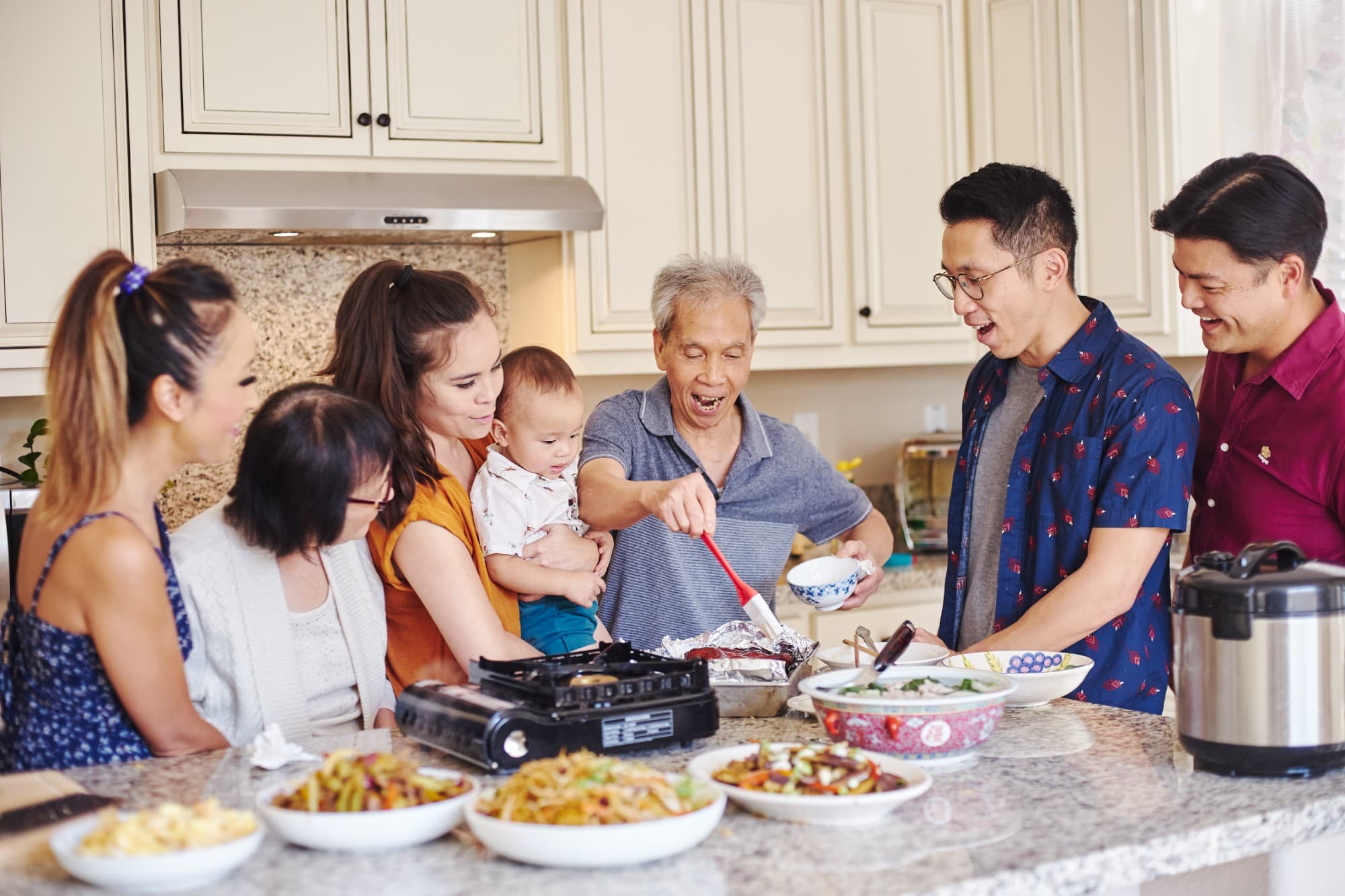
We started Made With Lau to celebrate Cantonese culture and honor the legacy of our wonderful parents, Jenny and Chung Sun Lau.
Our hope is that these recipes and stories help you spread the joy, love, and nostalgia that I felt growing up.
