Fried Rice
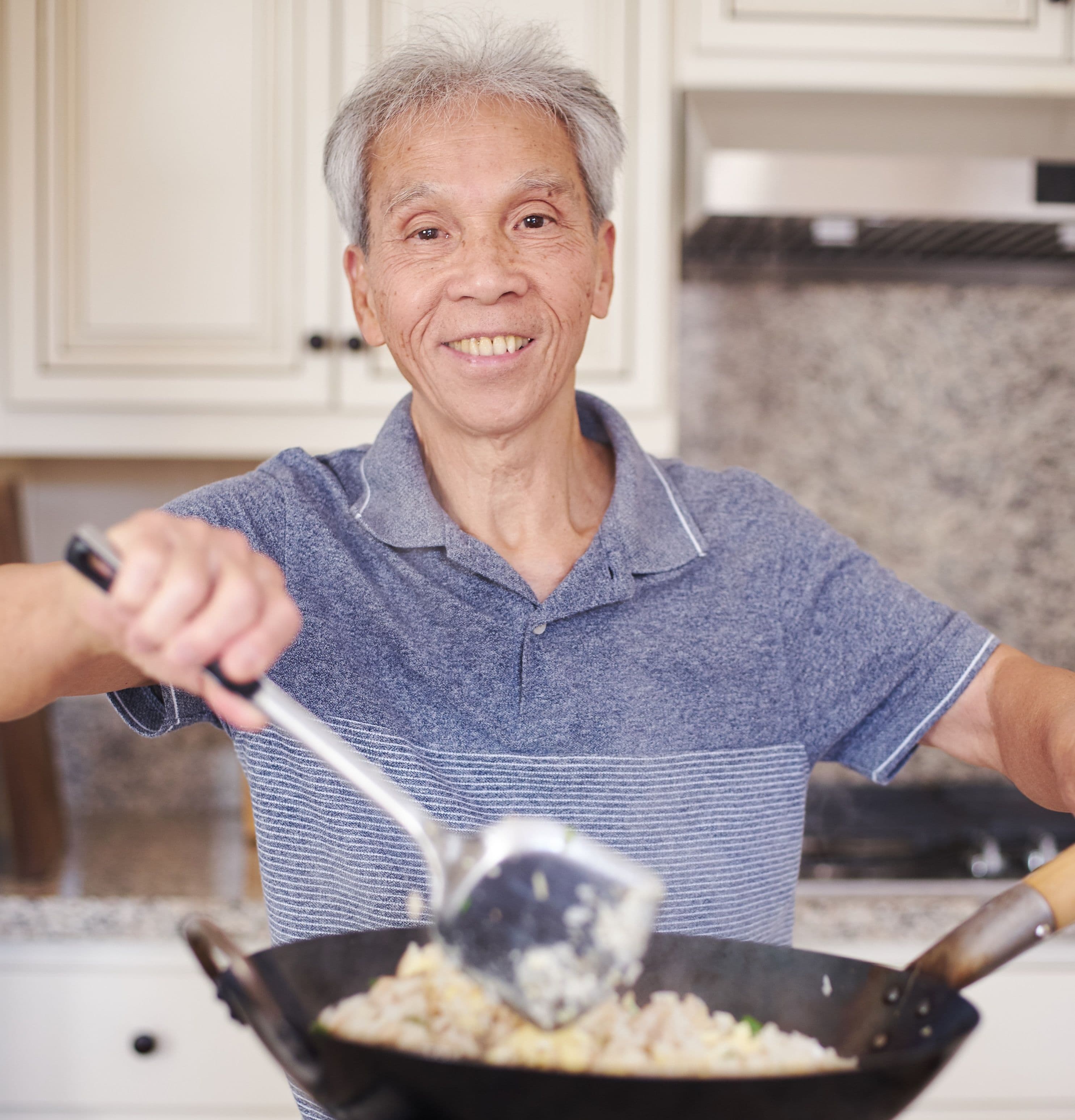
Unlock all the essential tips and tricks you need to make restaurant-style egg fried rice like a Chinese chef.

Cooking Summary
Ingredients: (detailed list)
- Main Ingredients: uncooked jasmine rice, water, green onion, carrot, frozen corn and peas, egg, salt, oil
- Seasoning: light soy sauce, dark soy sauce, salt, sugar, chicken bouillon powder, oil
Steps:
Jump To Section
Overview
There are some dishes that always seem to be better at restaurants and fried rice is one of them. Not anymore! My dad has made fried rice with egg hundreds of thousands of times and now he's sharing his battle-tested techniques for cooking this essential Chinese dish.
This method is one of the simplest varieties of fried rice and can be extended to involve almost any type of meat or ingredient you might want to try.
From proper stir-frying technique to why he prefers using fresh instead of day-old rice, my dad has lots of tips and tricks on how to make the best egg fried rice. Take this masterclass with a chef who has perfected it over the course of 60 years and you'll never have mushy, clumpy fried rice ever again.
(This recipe is also approved by Uncle Roger, a notoriously tough fried rice critic!)
What to serve with egg fried rice
Fried rice goes with everything and it all depends on what you're craving. Pair it with  Char Siu,
  Garlic Shrimp or
  Salt and Pepper Tofu — truly, anything goes!
Why this recipe
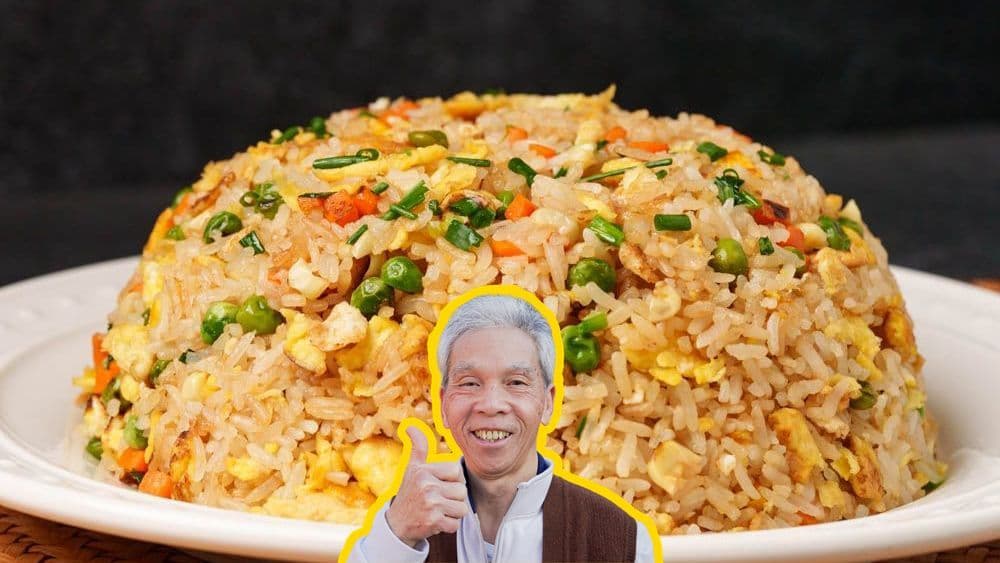
Most fried rice recipes online are tested only a handful of times. My dad used to make this dish multiple times a day, every day, for 60+ years and can make this in his sleep.
I know you'll love it as much as our community does! This recipe has over 3.5M views, 57.5K likes on YouTube.
Shopping & Ingredient Selection
Which rice should I buy?
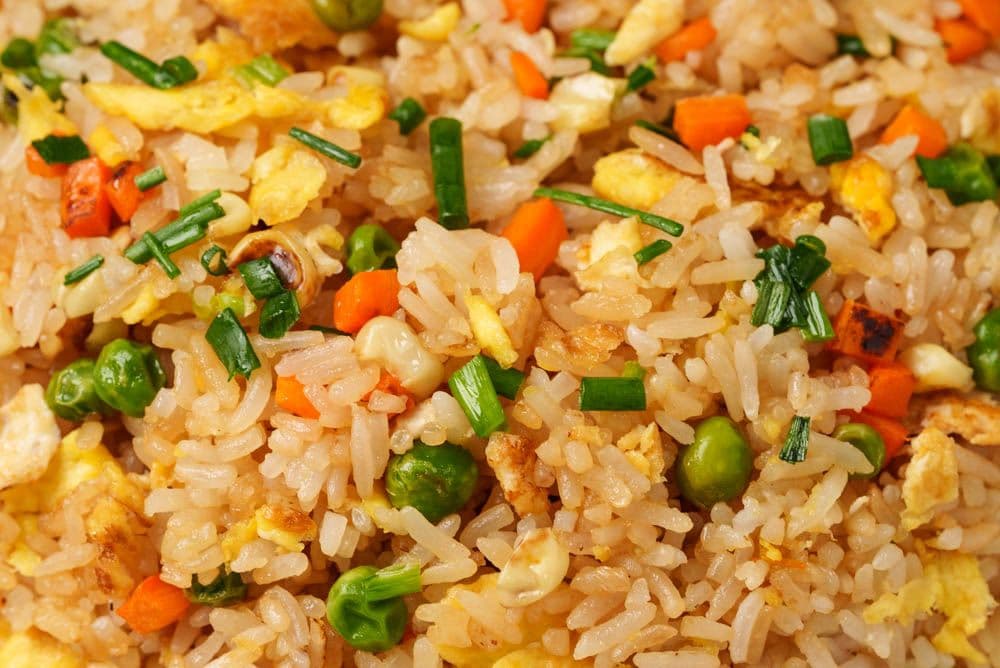
My dad's rice of choice is Thai jasmine rice, which he uses in all of his fried rice dishes, including the restaurant favorite  Yangzhou Fried Rice and
  Ginger Fried Rice.
If you can't get jasmine rice, try to use any other long grain rice, which doesn't get as sticky.
Why using leftover rice is a myth
Unlike the hundreds of recipes out there that claim using leftover rice / day-old rice is a requirement, take it from a former Chinese restaurant owner: most Chinese chefs use fresh rice and not leftover or day-old rice because the grains are fragrant, more tender and already hot.
From a logistical and sanitary standpoint, Chinese restaurants can't keep huge storage containers of cold, leftover rice on hand. If they had leftover rice from the day before, they might use it, but most Chinese restaurants don't go out of their way to prepare rice in advance, refrigerate it, then use it for fried rice the next day.
Making fried rice with fresh rice vs leftover rice
Fresh rice tends to clump more than day-old rice, but you can mitigate this with thorough washing, by cooking it with slightly less water so the grains are harder, and by fluffing the rice once you're done cooking it.
Fresh rice:
- Wash the rice thoroughly until the water runs clear to remove excess starch. My dad's lifelong habit is to wash and rinse rice 3 times for good measure.
- Water to rice ratio: this really depends on your rice, but you can use what you already know as a baseline:
- Compared to making freshly
 steamed rice, use 5-10% less water than you normally would.
 - In a rice cooker pot with embedded rice-to-water volume measurements, slightly undershoot below the line marker. If you're adding water with measuring cups, use the same cup that you used to measure the rice.
- Compared to making freshly
- Fluffing rice: always fluff the rice after cooking to help steam escape and to help the rice from sticking together.
Leftover rice:
- Day-old rice tends to result in less clumpy, firmer fried rice than fresh rice, but it's also less aromatic.
- Always microwave it before cooking and break apart any clumps.
Substitutions, Additions & Missing Ingredients
Options for rice
While my dad prefers the aroma and texture of Thai jasmine rice, you can also use American long-grain rice or a blend of both. Short- and medium-grain rice are both too sticky for fried rice.
Adding protein
While this is a basic egg fried rice... adding meat is quite simple.
Here are some examples from our other recipes.
Or one of my personal favorites, Ginger Fried Rice, which my dad often made for my wife after she gave birth to each of our 3 kids.
Adding or removing vegetables
Try to avoid watery vegetables like bok choy or cabbage. The fried rice should be dry after cooking, with no liquid or sauce pooling.
Feel free to skip the peas, corn, and/or carrots. And if you're reheating frozen vegetables, make sure to drain the pooled moisture before adding it to the wok.
What if I don't have dark soy sauce? Or light soy sauce?
- Dark soy sauce: feel free to skip it.
- This recipe calls for 1 tsp of dark soy sauce. Its main function is to darken the rice, while adding a subtle umami, savory flavor.
- It's used in recipes like
 beef chow fun.
- Light soy sauce: skip, use more salt.
- light soy sauce = soy sauce = regular soy sauce.
- We're not necessarily referring to low-sodium soy sauce, but you can use that too.
Using leftover meat?
If you're using leftover meat, reheat it either with a wok or a microwave, then toss it in at the end.
Ingredients
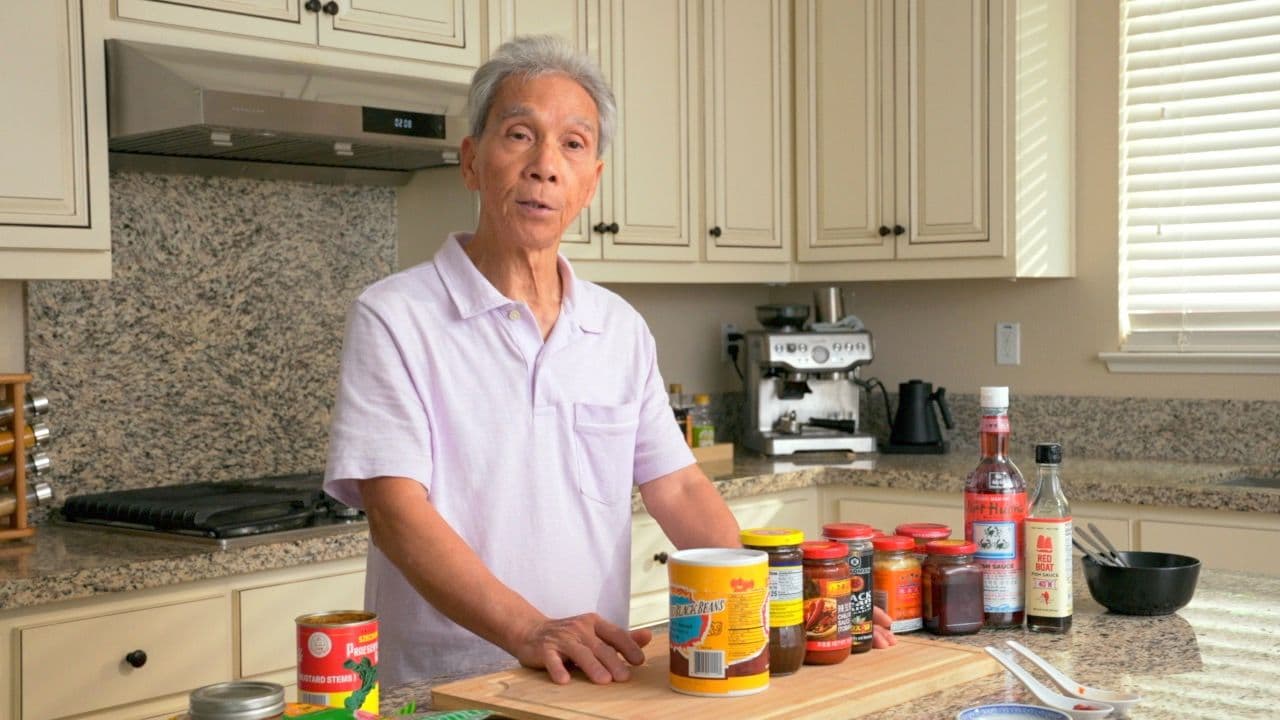
Cookware & Equipment
Our Equipment
We're using a carbon steel wok with a gas stove. This is a traditional Chinese restaurant setup that's suitable for a home kitchen.
What if I don't have a wok?
While this recipe uses a carbon steel wok on a gas stove, don't let that deter you: you can use any other type of cookware or stove.
- Carbon steel responds well to quick heat changes, whereas stainless steel and cast iron take more time. Use your ears - there should be a constant sizzle.
- For an electric stove, you can mostly stay at medium heat throughout the recipe. Gas and induction stoves generally allow for instantaneous heat changes, whereas electric stoves need additional time to come up to temperature.
- In a pan or skillet, the main issue is to not overcrowd the cookware. Either divide the cooking into batches or turn up the heat if you hear a "wet" sizzle (which means the food is steaming, not searing).
- Don't heat a nonstick pan or wok until it's smoking, just heat and add oil. Once the oil is shimmering, or forming ripples across the surface, the pan and oil are hot enough to cook with.
How to make Fried Rice
Wash the rice (2 rice cup) three times, using fresh water after each rinse. While rice isn't very dirty, washing it removes excess starch so the grains aren't stuck together. Drain the rice thoroughly after the final rinse.
Add the rice, followed by the water (1.9 rice cup) to a rice cooker and cook according to your rice cooker's instructions.
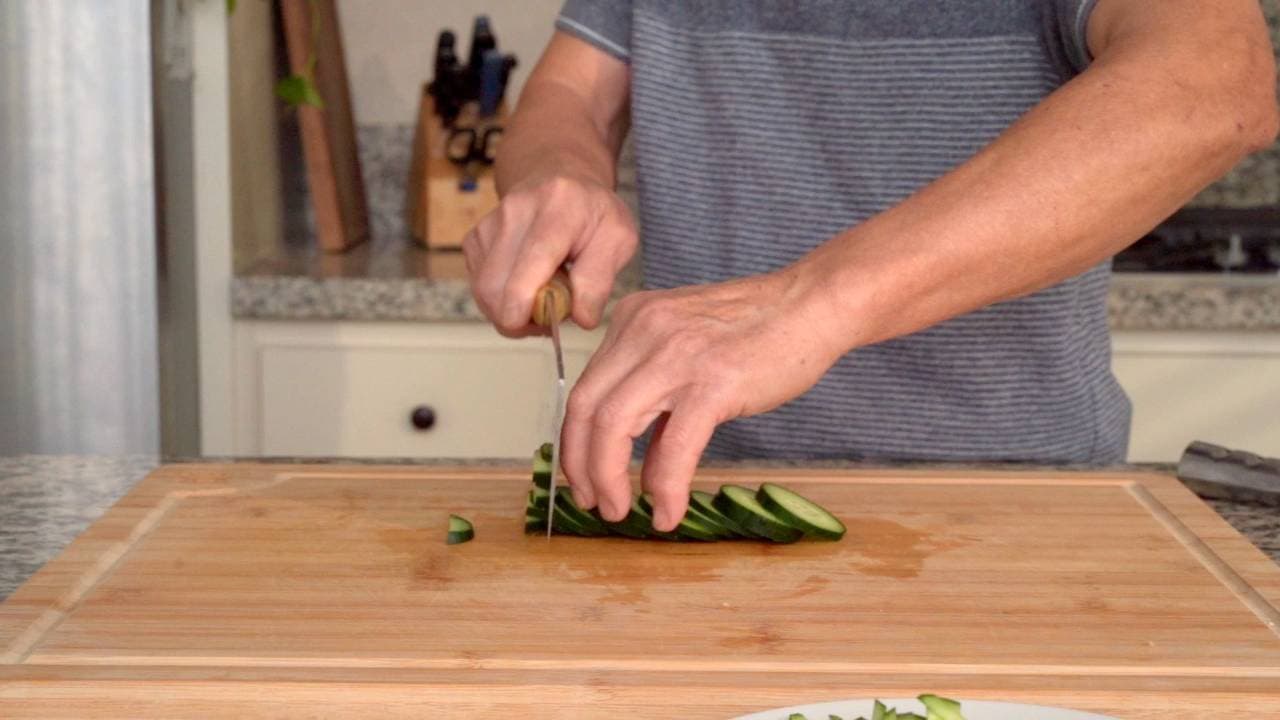
Cut the green parts off of the green onions (1 oz) and dice into small pieces. Save the whites to use in another dish.
Slice the carrot (2 oz) in half, then into strips. Hold the strips together and dice into small pieces. Combine with the frozen corn and peas (4 oz) in bowl.
Crack the eggs (4 large) into a bowl. Season with the salt (½ tsp), then set aside.
Once the rice is done cooking, leave it covered to steam for 2 additional minutes.
Meanwhile, add the water (⅓ cup) to the bowl of vegetables and microwave for 2 minutes to cook. Drain out the excess water and set aside.
Now that the 2 minutes are up, it's time to fluff the rice! Use chopsticks to stir and fluff rice for 1 to 2 minutes. This allows the excess steam to release and prevent clumping.
Heat the wok on high heat until it's barely smoking. Beat the eggs.
On medium-low heat, add the oil (2 Tbsp), spreading it all over wok surface to make sure it's well coated. Heat the oil until it's shimmering.
(If you're adding meat, stir-fry it on medium heat it on its own until it's about 80-90% cooked through, then transfer it out and set it aside.)
- ~20-30 seconds
On medium-low heat, add and stir-fry the eggs gently until they're set but still soft and silky.
- ~2 minutes
Add the cooked rice on top of the eggs. Scoop and flip with the spatula constantly to mix in the eggs evenly with the rice. Break apart the clumps of rice and eggs with the back of the spatula.
- ~2-3 minutes
On high heat, add and stir-fry the mixed vegetables.
Turn the heat to low. In a small bowl, combine the light soy sauce (1 Tbsp), dark soy sauce (1 tsp), salt (½ tsp), sugar (½ tsp), and (optional) chicken bouillon powder (1 tsp) and pour it over the rice.
- ~2-3 minutes
On high heat, stir fry to mix everything together. You can also use chopsticks to help mix the fried rice or toss the wok.
- ~1 minute
Add and stir-fry the oil (1 Tbsp) and diced green onions to mix everything together.
Turn the heat off. Taste and add more seasoning if needed. My dad uses an additional 1 teaspoon of light soy sauce this time.
You can plate the fried rice in two ways.
Direct method
Scoop the fried rice directly onto serving plate in a pile and garnish with more green onions.
Bowl method
Add some diced green onions to the bottom of a medium-sized bowl. Scoop the fried rice on top and compress it with the bottom of the spatula.
Place the serving place on top, then flip to create a nice round mound of rice for a pretty presentation.
Leftovers & Storage
Refrigerating Leftovers
- Cooling: Wait until the fried rice has cooled down.
- Storage: Store it in an airtight container in the refrigerator. Preferably, store it on the top shelf, where refrigerators tend to be the coldest.
- Reheating: Add a splash of water to the container, leave the lid slightly ajar, and microwave it for 1 to 2 minutes until the rice is steaming.
- Time: This should last 3-5 days in the refrigerator, but use your best judgment.
Freezing fried rice
- Cooling: As with freezing
 wontons and other starches, spread out the fried rice on a tray to cool it down faster.
 - Storing: Once cool, store the fried rice in freezer bags, press the air out, and lay them flat in the freezer.
- Reheating: Cook it frozen a wok with a splash of oil, breaking up the clumps as you go. If the rice is hard, add a splash of water and cover the wok to infuse a bit more moisture via steam. Or, microwave it covered with a splash of water until it's steaming.
- Time: It's best to eat it within 1 to 2 months of freezing.
Top 3 Mistakes
- Starting with soggy rice:
Use rice with the dry, separated texture described in the recipe. Wet or clumped rice is harder to stir-fry evenly and can turn sticky instead of giving you distinct grains.
- Leaving leftover rice clumped:
If you use leftover rice, warm it and break up the clumps before stir-frying. Putting a cold, compact mass into the wok makes the grains harder to separate during the quick cooking stage.
- Skipping the rice rinse:
Wash the rice with fresh water for each rinse, then drain it thoroughly. Removing surface starch is part of keeping the grains from sticking together before they reach the wok.
Frequently Asked Questions
What is the secret to great fried rice?
The secret to delicious, restaurant-quality fried rice lies both in the rice and the seasoning. My dad's technique of fluffing cooked rice, then flipping and tossing as he stir fries ensures that there's no mushy, clumpy rice. It's also important to season both the eggs and rice to give it great flavor.
How do you prevent rice from clumping?
It's all in the rice-to-water ratio. Don't use too much water since soft rice sticks together, making it difficult to stir fry. For fried rice, my dad uses slightly less than a 1:1 ratio of water to rice. Also make sure to fluff the rice after it's done cooking.
Do you need to use leftover rice for fried rice?
No! Most Chinese restaurants do not wait to use day-old rice to serve fried rice, as that would be inefficient and unsanitary :)
The benefit of leftover rice is that it's already cooked and ready, and it's harder with less moisture. If you do use leftover rice, make sure to microwave it first and break apart the clumps before cooking.
If you're using fresh rice, just use slightly less water when cooking.
Pairs well with
View all →
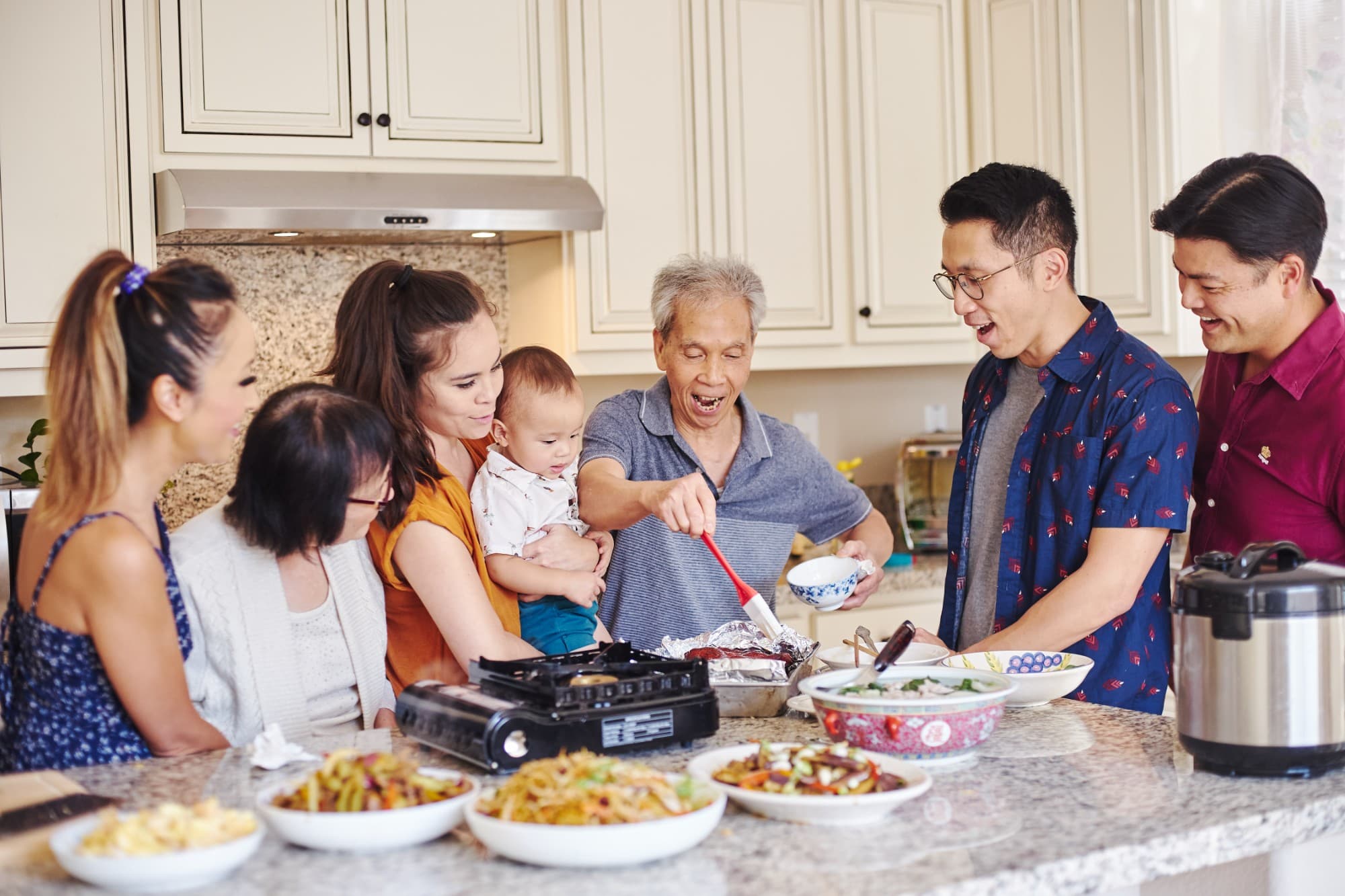
Made with love ❤️
We started Made With Lau to celebrate Cantonese culture and honor the legacy of our wonderful parents, Jenny and Chung Sun Lau.
Our hope is that these recipes and stories help you spread the joy, love, and nostalgia that I felt growing up.