Sweet Sesame Tong Jyun

Learn how to make this heartwarming dessert that's brimming with cultural significance!

Cooking Summary
Ingredients: (detailed list)
- Tong Jyun Balls: glutinous rice flour, hot water, cold water
- Filling: butter, black sesame powder, desiccated coconut, peanut butter, honey
- Sweet soup: water, granulated sugar, coffee creamer, shredded ginger
Steps:
Jump To Section
Overview
Tong jyun for the holidays
Tong jyun, or tang yuan, is a traditional dessert for the Lantern Festival, which is the 15th and final day of the Chinese New Year celebration. The round shape of the tong jyun balls mimics the roundness of the full moon on this day.
Tong jyun always brings up an important Chinese saying, 團團圓圓 (tyun tyun jyun jyun), because of the character 圓 jyun, which means round. The auspicious saying refers to the togetherness and completeness of a family, and evokes the imagery of a whole, complete family being together at a round dinner table, happily enjoying a meal, especially during holiday reunions.
Thankfully, it's not limited to holidays any longer! This simple dessert is enjoyed all year round.
Now, as a dessert, tong jyun is world-famous, but if you'd like to try tong jyun as a savory main course, that's actually a Toisanese regional specialty. Our family's tried-and-true recipe for it is right here. Check it out!
Tong jyun or tang yuan?
You might see the name of this dish written as tang yuan. Tong jyun is the pronunciation in the Cantonese language, and tang yuan is what you'd call it in Mandarin. Don't worry, it's the same thing.
Thank you, CantoMando!
This recipe is brought to you in part by CantoMando. They’re a YouTube channel created by three friends- Edward, Mike, and Sheldon. They make amazingly funny, thought provoking, and positive content. We’re so thankful to be part of this cool community where we can learn about our cultures and languages! Check out their new class, Canto to Mando Blueprint!
During our team meetings, we share our goals, and we always hear from each other that we want to learn more Mandarin, but as Cantonese speakers, we don’t know where to start since most classes are made for people who have zero Chinese background.
But this new program by CantoMando teaches you how to use your existing Cantonese background to get speaking conversationally fluent Mandarin super fast! If you’re in the same boat as us, you can learn more about the program and follow them on social media here:
Why this recipe

Most sweet sesame tong jyun recipes online are tested only a handful of times. My dad used to make this dish multiple times a day, every day, for 60+ years and can make this in his sleep.
I know you'll love it as much as our community does! This recipe has over 364.8K views, 6.9K likes on YouTube.
Ingredients
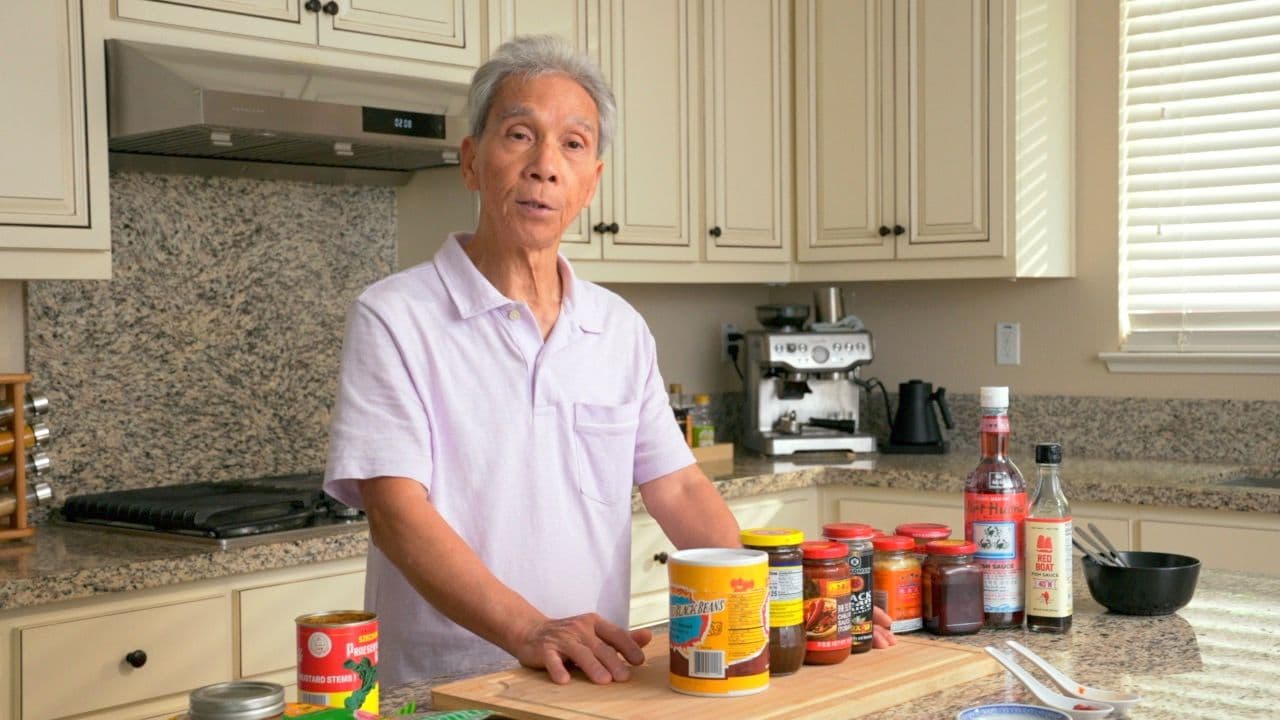
Where to buy black sesame powder
You can most likely find this in your local Asian grocery store, in the beverages aisle, near products like instant coffee. Otherwise, you can nab one online; here's an Amazon link:
- Black Sesame Powder: https://amzn.to/3gyiLbA
For your convenience, here's where you can stock up on glutinous rice flour and desiccated coconut too:
- Glutinous Rice Flour: https://amzn.to/3pAQlAI
- Desiccated Coconut: https://amzn.to/3oBzsam
Tong jyun in different soups
You can add tong jyun to literally any sweet dessert soup that you like. Think of it as a versatile topping.
The reason we've made a simple milky sweet soup is because we think the white tong jyun looks really pretty bobbing along the surface of white soup. But you can throw tong jyun into red bean dessert soup, into a ginger-and-brown sugar dessert soup, anything!!
How to make Sweet Sesame Tong Jyun

Measure out glutinous rice flour (10 oz) into a heat-safe bowl. Slowly pour in hot water (5 oz) while mixing it in with chopsticks.
Glutinous rice flour is responsible for the characteristic chewiness of the tong jyun, while hot water makes the dough more pliable and easier to knead.
Then slowly add cold water (3 oz), continuing to mix and knead the dough. As the cold water cools the dough down, you'll be able to dive in with your hands.
If the dough is still crumbly, add small amounts of cold water at a time, and knead until you end up with a soft, supple dough ball. It shouldn't be sticky or crumbly.
Wrap the dough ball in plastic wrap and let it rest for 30 minutes, up to an hour.
Melt butter (1 Tbsp) in the microwave for 20-30 seconds. It's okay if it's not completely liquified, as long as it's at least warm and soft.
Add black sesame powder (2 Tbsp), desiccated coconut (1 Tbsp), peanut butter (2 Tbsp) and honey (2 Tbsp) into the bowl of melted butter. Stir everything together until it forms a basically homogenous paste.
Transfer the filling onto plastic wrap, and spread it out into a flat rectangular layer about 1/2 inch thick. The thinness of the filling will help it cool down faster, and the rectangular shape will make it easy to divide and cut.
Wrap it up neatly to keep the filling from drying out, and freeze for 30 minutes, so that it can firm up for easy handling later.
In a large bowl, mix water (12 oz), granulated sugar (4 Tbsp), and coffee creamer (2 Tbsp). If using milk instead of creamer, simply use double the amount. Of course, you can always add more sugar or creamer/milk to taste!
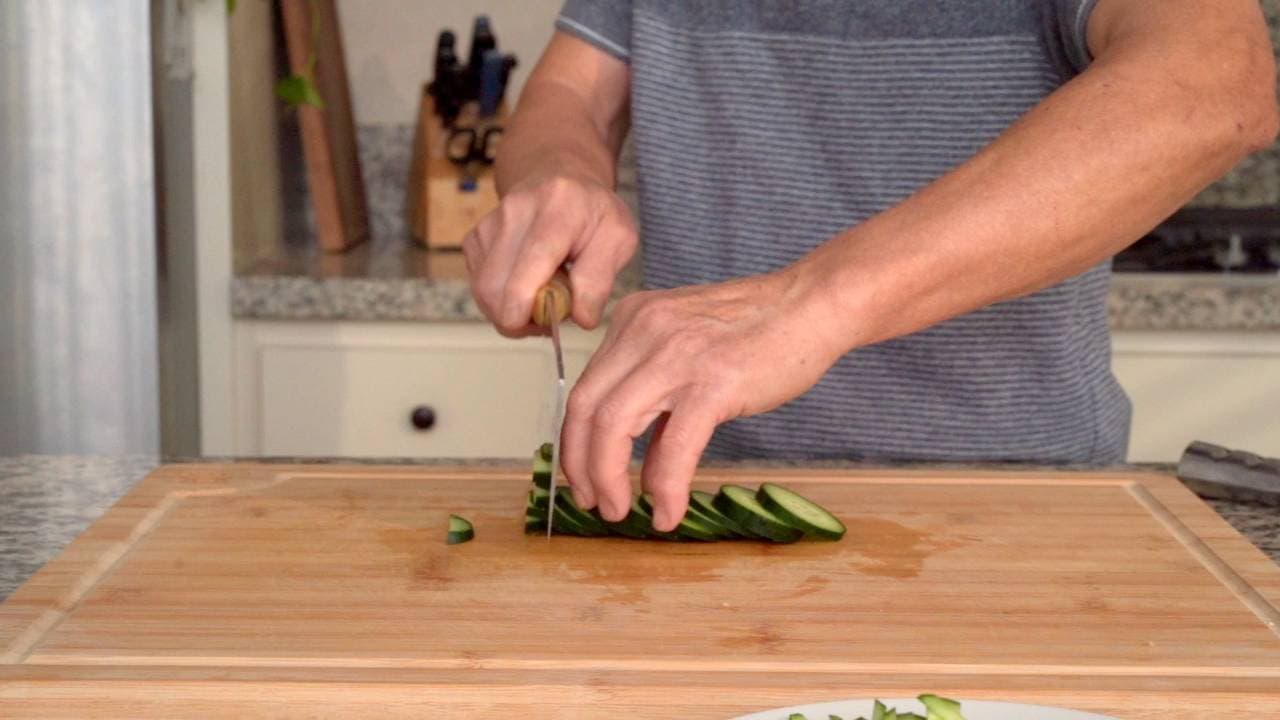
Remove the filling from freezer and cut it into 1/2 inch squares. If you'd like larger pieces, you can cut into bigger pieces.
Take each cut piece of filling and roll them into balls between flattened palms. Repeat until you've finished all of the filling.
If the filling has chilled for too long and is too stiff to handle, let it thaw on the counter until it's soft enough to work with.
Divide the rice flour dough into 2 large pieces, and roll them into round logs. From those two logs, cut the dough into small pieces, about 1-2 inches long.
Each small piece will be a tong jyun with a piece of filling bundled up inside. We ended up with about 18 pieces.
Take a piece of rice flour dough, roll it into a ball, and then shape it into a little bowl by pressing into the center with your thumb.
Put a piece of filling into the well and pinch the dough over the opening to seal the filling in. Roll it around in your palms a bit to smooth out the seam, and the first tong jyun is complete! Repeat with the rest of the dough and filling.
Boil a large pot of water. There needs to be enough water to completely cover all of the tong jyun. When the water has come to a rolling boil, carefully place tong jyun into the pot.
Give it an occasional stir to ensure the tong jyun don’t stick together. While they cook, prepare a bowl of ice water.
The tong jyun are ready when they float, which should take about 3-5 minutes. Pour a little ice water into the pot to temper the water, which will make the tong jyun sink a little below the surface and make them easier to scoop up.
Transfer the tong jyun into the ice water bath with slotted spoon. The shock of the ice water will make the tong jyun shrink just a bit, and keep them from melting down and sticking together in the final soup.
Stir the sweet soup mixture that was prepared earlier, in case it separated or settled while everything else was cooking. Pour the mixture into a clean pot, add shredded ginger (1 small amount). Cover the pot with a lid, and bring the soup to a boil on high heat.
When it has come to a boil, transfer the tong jyun into the pot. They only need to warm up for about 30 seconds.
Transfer the tong jyun into a large serving bowl. Taste the soup to adjust the flavor to your liking, then pour the rest of the soup into the serving bowl as well. Everyone can take the amount they want.
Top 3 Mistakes
- Skipping the cold-water bath:
Move the cooked rice balls into cold water before their final soup stage. This helps them firm up and stay separate instead of softening further and sticking together in the broth.
- Swapping the wrong rice flour:
Use the rice flour named in the recipe and check the package carefully. Regular and glutinous rice flour behave differently, so treating them as interchangeable changes the texture.
- Freezing rice balls in a heap:
Freeze the shaped rice balls separately in a single layer before bagging them. Packing the soft pieces together immediately makes it harder to keep individual portions apart later.
Frequently Asked Questions
What kind of flour do you use to make tangyuan?
You need to use glutinous rice flour to achieve the soft, chewy texture of tang yuan, or tong jyun, the sticky rice balls in our dessert soup. Be careful when you purchase it, because it's always shelved right next to the normal rice flour, which won't give you chewy tong jyu8n!
Also, glutinous here refers to the texture of the rice flour; because it's a rice flour, it DOES NOT contain gluten!
How do you make a rice flour dough that's easy to work with?
If you're making tang yuan, or tong jyun, your dough will be very tough and kneading it will be very difficult if you use purely cold water. On the other hand, if you use purely boiling water, it'd be impossible to knead because, well, then it'd be really hot. That's why my dad has this fantastic method of using hot, and then cold water! This half-cooked dough is more elastic thanks to the hot water, but easy to handle thanks to the cold water.
Also, pay attention to your materials and environment. Different brands of glutinous rice flour may absorb water differently, and your dough will react to your technique differently due to factors including humidity and elevation. Don't be afraid to adjust the amount of water and kneading time to get the result you want! It's most important to pay attention to what you feel and see happening to the dough in front of you.
How do you prevent tang yuan from sticking together?
After the initial cook in water (which should be at a vigorous, rolling boil so they don't stick together there), toss all of the tang yuan, or tong jyun, into an ice water bath, just like you might do with noodles. The shock of the ice water will make the tong jyun shrink just a bit, firm up, and keep them from melting down and sticking together in the final soup.
What's the best way to freeze homemade tang yuan?
First of all, you have to seal them really well. If they're not sealed well, the freezer will dry out all the moisture inside, which will result in cracking (and then, sadly, leaking/bursting).
Like freezing homemade dumplings, you'll want to start freezing them laid out in a single layer on a baking sheet. Once they've firmed up, you'll want to bag them up and seal them shut to prevent moisture loss and freezer burn.
You can cook frozen tong jyun directly, or you can thaw them if you have the time. The difference is that directly cooking from frozen will take longer, and cooking thawed tang yuan will go faster. However, if your frozen tong jyun is anything but completely thawed, you'll want to start putting them into the pot before your water is at a vigorous, rolling boil.
How do you make filling for tang yuan?
Our recipe for tong jyun filling includes butter, black sesame powder, desiccated coconut, peanut butter, and honey. Check out the ingredient list above for precise measurements.
There are tons of variations, like red bean, lotus seed paste (like mooncakes!), matcha, custard, and whatever dessert flavor you like, so go wild!
To simplify the tong jyun rolling process and make it way easier, we like to freeze the filling in a flat block until it's firmed up. Then we cut it into squares that we can roll up, and then roll the glutinous rice flour dough into a tong jyun around it.
Can you make tang yuan less sticky?
Technically, yes. The original method uses 100% glutinous rice flour, which results in soft, chewy tang yuan, or tong jyun. You can adjust it by adding normal rice flour.
We actually haven't tried it, because we're pretty happy with 100% soft, chewy tong jyun, but my mom theorizes that you could replace the dough with a ratio of up to 20% rice flour without making too much change to the structural integrity of the tong jyun. If you try it out, please let us know how it goes!
Now, if you're worried about them sticking together, that's an entirely different and solvable problem that doesn't involve changing the dough. Boil the tong jyun in vigorously boiling water and dunk them in an ice water bath.
Pairs well with
View all →
Made with love ❤️
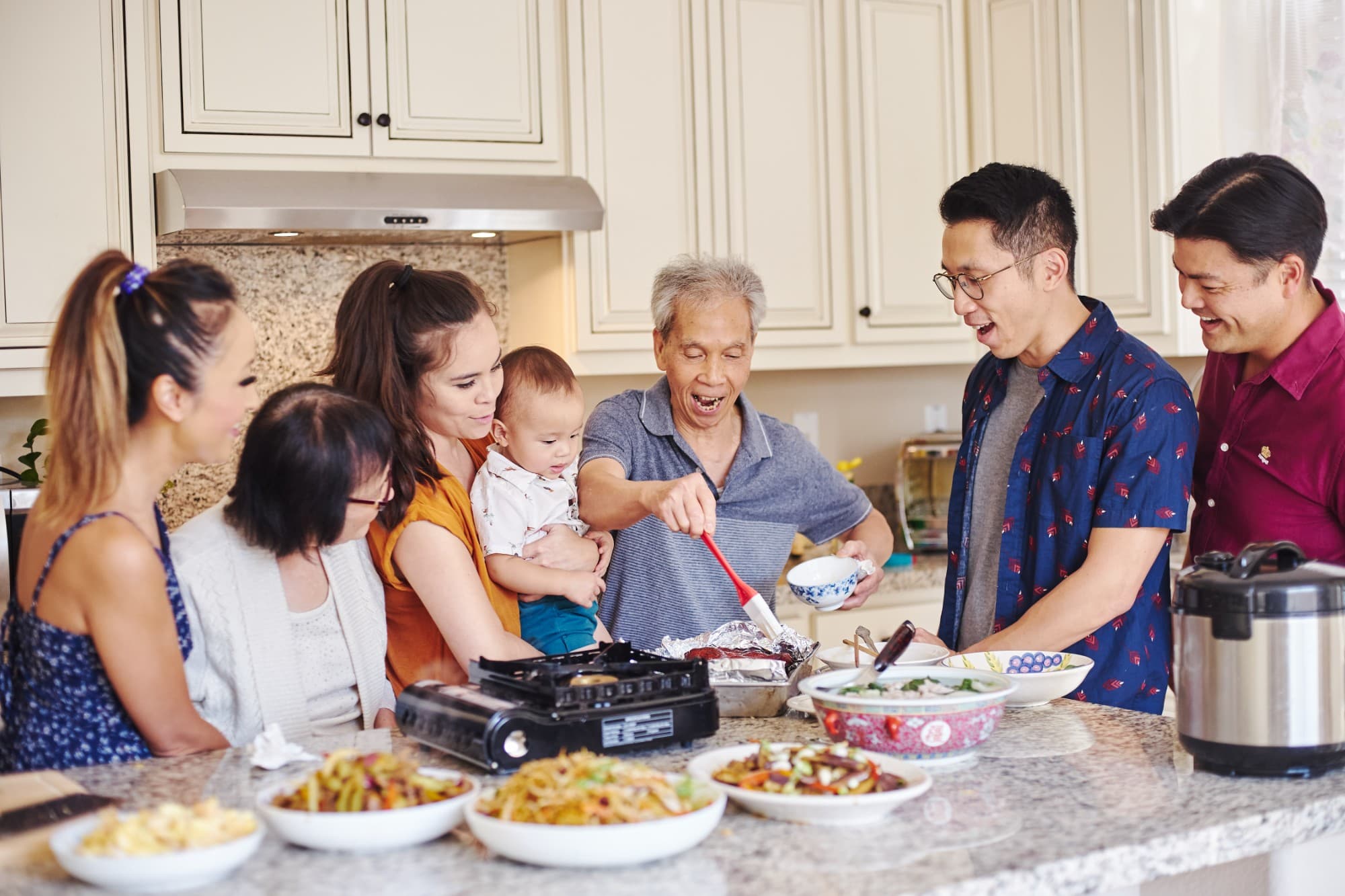
We started Made With Lau to celebrate Cantonese culture and honor the legacy of our wonderful parents, Jenny and Chung Sun Lau.
Our hope is that these recipes and stories help you spread the joy, love, and nostalgia that I felt growing up.