Sliced Fish Congee

When you need a hug in the form of food, make this gently flavorful porridge!

Cooking Summary
Ingredients: (detailed list)
- Main Ingredients: fish, rice, water, ginger, green onion, cilantro, egg
- Fish Marinade: cornstarch, salt, white pepper, water, oil
- Congee Seasoning: oil, salt, fish sauce
Jump To Section
Overview
Congee is a famously gentle dish that we love to serve to all age groups. It's easy to digest and doesn't involve much chewing, so it's one of the first solid foods that we introduce to babies in our house. Adding a delicate protein like fish makes it flavorful and nutritious while keeping it easy on the stomach!
For a more boldly-flavored congee, try our Cantonese classic Century Egg & Pork Congee.
Why this recipe

Most sliced fish congee recipes online are tested only a handful of times. My dad used to make this dish multiple times a day, every day, for 60+ years and can make this in his sleep.
I know you'll love it as much as our community does! This recipe has over 421.4K views, 7.6K likes on YouTube.
Ingredients
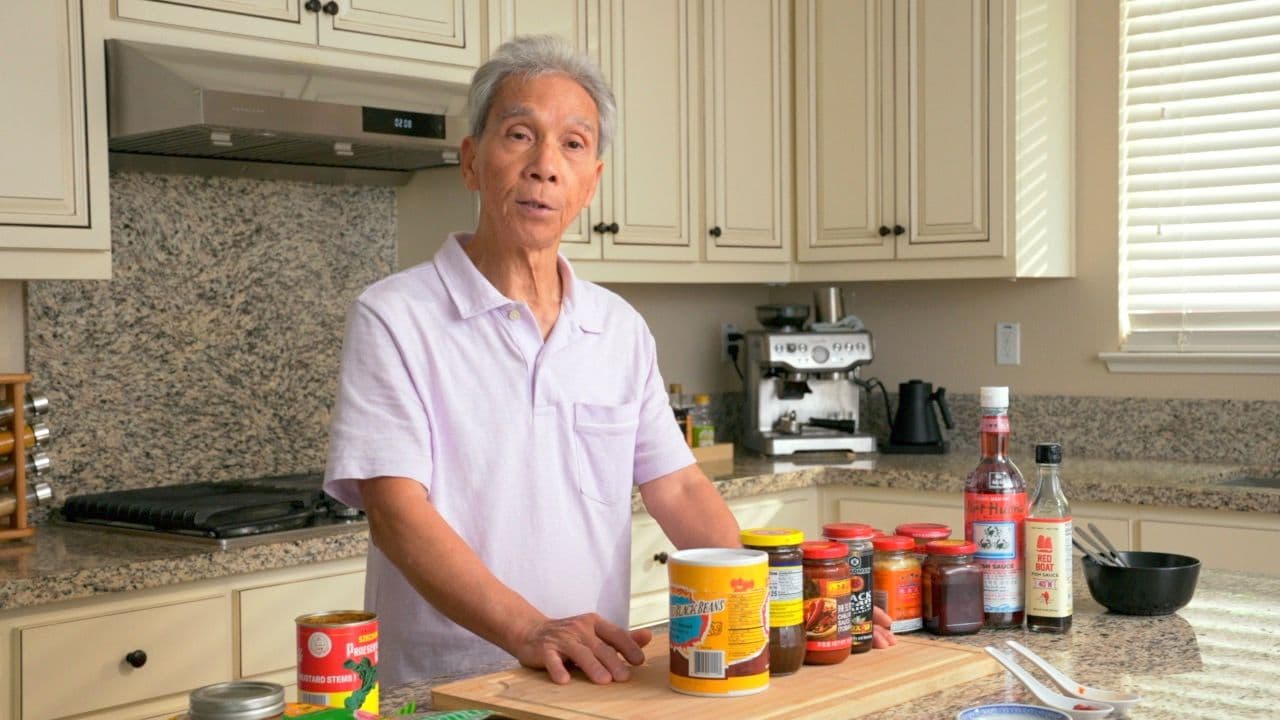
What fish should I use?
In our video, we used sole fillets.
We recommend using any kind of white fish. White fish have less fishy oil compared to salmon or mackerel, for example. To make things easier for yourself, try using fish that aren't very bony to begin with, or buy fillets.
Great fish to cook in this congee include sole, grouper, cod, halibut, and tilapia.
How to make Sliced Fish Congee

Because we’ll be adding the green onions, ginger, and cilantro as a very final garnish without cooking, we’ll want to chop them finely, and use only the milder parts of the green onion.
Cut off the green parts of the green onions (2 stalk) and dice them up. Save the white parts for another recipe. Ginger Scallion Sauce, anyone?
Cut the ginger (1 oz) into thin slices, then cut into very thin strips.
Roughly chop the cilantro (¼ oz); you may want to chop the pungent stems more finely, but that’s all up to you!
Set these aside for later.
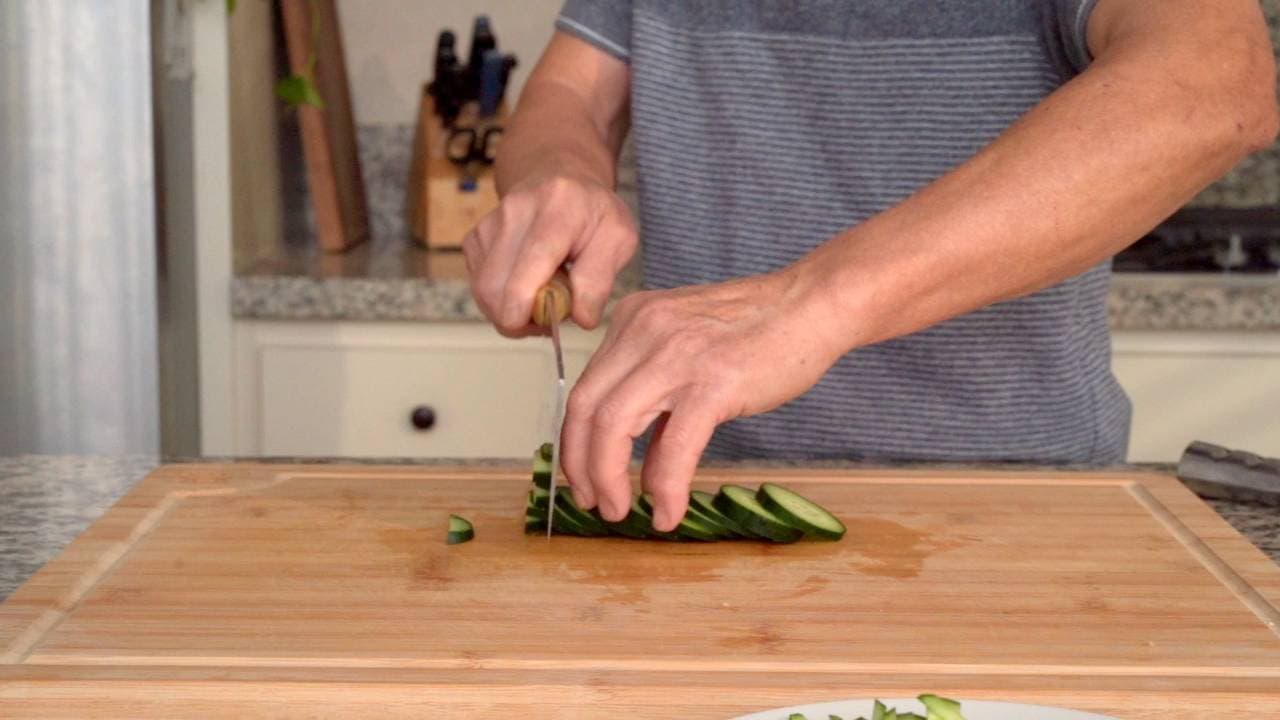
Squeeze out any excess water from the fish fillets (10 oz). They are safer to cut when they’re not as slippery, and drier fillets will better absorb the seasoning.
When cutting the fish into pieces, keep in mind you’ll be cooking them by swirling them in hot congee, so you’ll want thin enough pieces that’ll cook through. At the same time, remember that fish is a rather delicate protein, prone to falling apart, so cut the pieces large enough so they’ll have some structural integrity.
At an angle, so you’ll have wider pieces, slice the fish into pieces roughly 1/4 to 1/2-inch thick. Put the fish slices in a bowl, but push them to the side. We’ll mix up the marinade on the other side of the bowl, then mix everything all together.
To make the marinade, combine cornstarch (1 Tbsp), salt (½ tsp), white pepper (¼ tsp), and water (1 Tbsp). Stir well until the solid ingredients dissolve, then mix everything gently with the fish slices.
Then, separate an egg and add only the egg white to the fish. This is important for preserving the beautiful white color of the fish. Gently mix the egg white in. We suggest using chopsticks so that you can mix thoroughly while keeping your touch gentle.
Add oil (1 Tbsp) and gently mix that in as well.
Wash the rice (½ lb) 3 times, pouring out the starchy water and using clean water each time. The water should run much clearer after the 3rd round.
Add water (6 cup) to a large pot. Use more water if you like a thinner consistency in your congee, but it’s easier to err on the side of slightly less water and dilute it later than it is to add too much water at the beginning and then have to thicken it at the end.
Turn the heat to high. Once the water comes to a boil, add the washed rice. Give the rice a good stir. When the pot comes back up to a boil, don’t stir it anymore! That’s how you prevent the congee from sticking to the pot and burning.
Add oil (1 Tbsp), then turn to low heat, and put the lid on the pot. Cook on low for 25 minutes.
Uncover the pot, then carefully whisk the congee quickly for 1-2 minutes. This will break up the rice grains quickly and create a luscious, thick congee base. Just be careful of steam and hot splashes.
Check the consistency as you’re whisking. Add more water if the congee is too thick; my dad added 2 extra ladles of water here.
The congee base is complete! This is the time to throw in meats, vegetables, toppings, and garnishes.
Slowly add in the fish, nudging them apart and spreading them out through the congee so they don’t stick together. Since the congee is hot and the fish is in thin slices, the fish will cook through quickly.
Lower the heat and mix the fish around in the congee. Add the thin strips of ginger and white pepper (¼ tsp) and mix them in as well. Season with salt (1 tsp) and fish sauce (1 tsp) and stir well.
Turn off the heat and transfer to a large serving bowl, or into individual portions. Garnish with the chopped green onions and cilantro. Enjoy!
Top 3 Mistakes
- Choosing rice that stays firm:
Use the rice type recommended for a smooth congee. Brown and wild rice retain chewy layers and do not break down the same way, so they change the texture of this particular dish.
- Leaving ingredients too wet:
Drain and dry the ingredients as directed before they reach the pan. Extra water changes how they cook, making it harder to get the browning and texture the recipe calls for.
- Skipping the rice rinse:
Wash the rice three times, pouring away the cloudy water and using fresh water each round. The final rinse should look much clearer before you move on to cooking the congee.
Frequently Asked Questions
What kind of fish is best to put into congee?
White fish is best for congee. They're low on oil, so they are much less likely to impart a fishy grease smell to your congee, the way salmon or mackerel will. Also, the flesh is flaky and tender, while still firm enough to keep its shape in the congee.
What's the best rice for making congee?
You can use whatever rice you have on hand, but different types of rice will yield different flavors and textures of congee. We use Thai jasmine rice, which is a long grain rice that is fragrant, fluffy, and slightly sticky. Sushi rice, which is a short grain stickier rice, works great as well!
Rices that still have the bran and germ on, such as brown rice, or wild rice, will definitely affect your congee, as they won't break apart as well, and you'll have crunchy layers to chew on. Avoid those to maintain the ideal, smooth texture of congee!
How do you get the right congee texture?
Traditionally, you achieve smooth, full-bodied congee texture where most of the rice has practically melted into perfection by laboring over a simmering pot of rice and water for hours.
Not anymore! Cook your congee with just enough water (adding more as needed) and raw rice (don't use already cooked rice for the best results), and boil carefully at high heat, then simmer at medium or low with the lid almost on, leaving a gap. Cook for about 20-25 minutes, then lower the heat even more... and whisk it!
That's our secret for making restaurant-quality, full-bodied, almost-creamy congee. Whisking will help break down more grain of rice and let those starches out to thicken the congee.
If it gets too thick at any point, you can always thin it out by adding boiling water.
Do you add fish to congee while it cooks or after the congee is done?
It's best to add ingredients and toppings after you've completely cooked the congee base. Fish slices cook through quickly, so you can add them at the end, just cook them through, and serve. That way, you'll still get individual, discrete bites of fish.
Of course, you can add the fish earlier. If your fish cooks through with the congee, it'll disintegrate and melt into the congee, and you'll get more of a homogenous porridge--which may be your preference!
How do you reduce fishiness in fish congee?
First, buy the freshest fish you can. The meat should be bright and firm. Pat dry any liquid that it comes in or that comes out from the fish; that water will carry some fishy odor.
Make sure to season with aromatics and spices such as ginger, green onions, and white pepper. These are all ingredients that combat fishiness.
Pairs well with
View all →

Made with love ❤️
We started Made With Lau to celebrate Cantonese culture and honor the legacy of our wonderful parents, Jenny and Chung Sun Lau.
Our hope is that these recipes and stories help you spread the joy, love, and nostalgia that I felt growing up.