Pan-Fried Tilapia
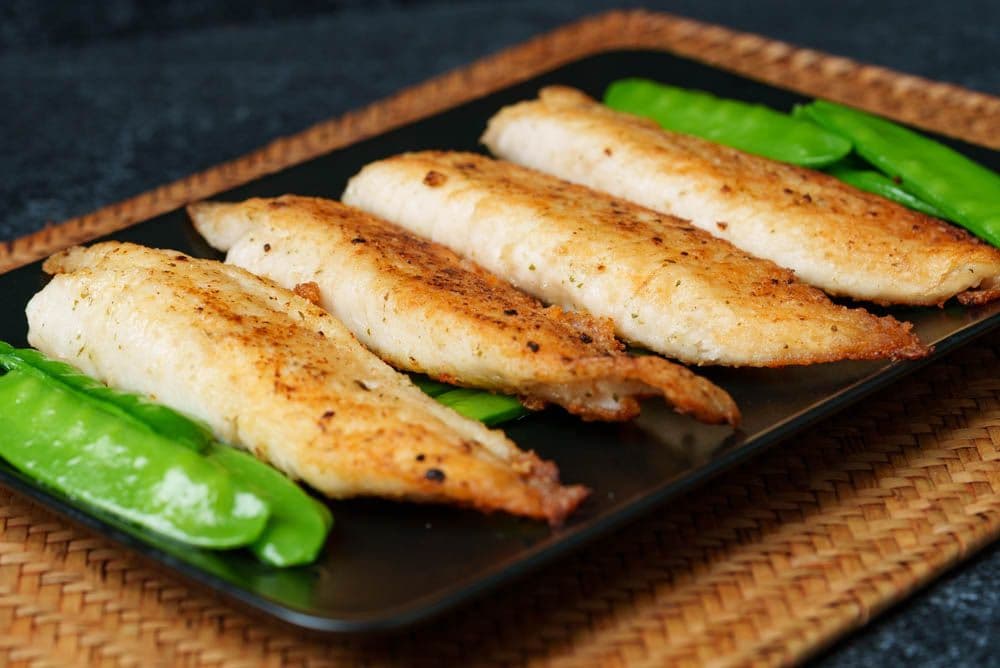
Ready in just 15 minutes, this easy and delicious meal is a weeknight winner.

Cooking Summary
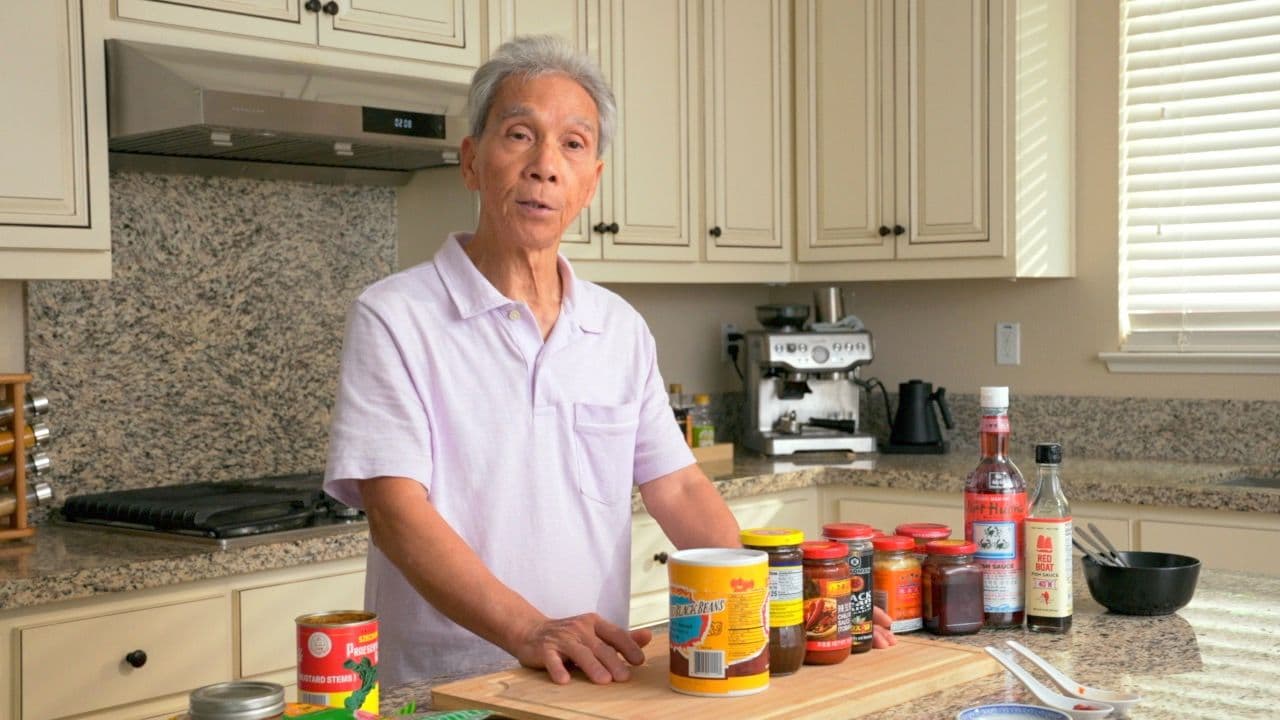
Ingredients: (detailed list)
- snow pea, tilapia, white pepper, garlic salt, cornstarch, oil, cooking wine
Jump To Section
Overview
All you need is 15 minutes and a bag of frozen tilapia to make a gourmet fish dinner. My dad's recipe for pan-fried tilapia is super easy and fast — perfect for nights when you want to get a meal on the table quickly or need a dinner party-ready entree that doesn't take a lot of prep work.
Daddy Lau's key to the best pan-fried tilapia is a simple seasoning mixture and cornstarch coating. Cornstarch not only seals in moisture inside the fish, but also forms an aromatic crust.
This dish also calls for snow peas, although you can swap in whatever vegetables you have in the fridge). Make a pot of rice and you've got a complete meal.
Why this recipe
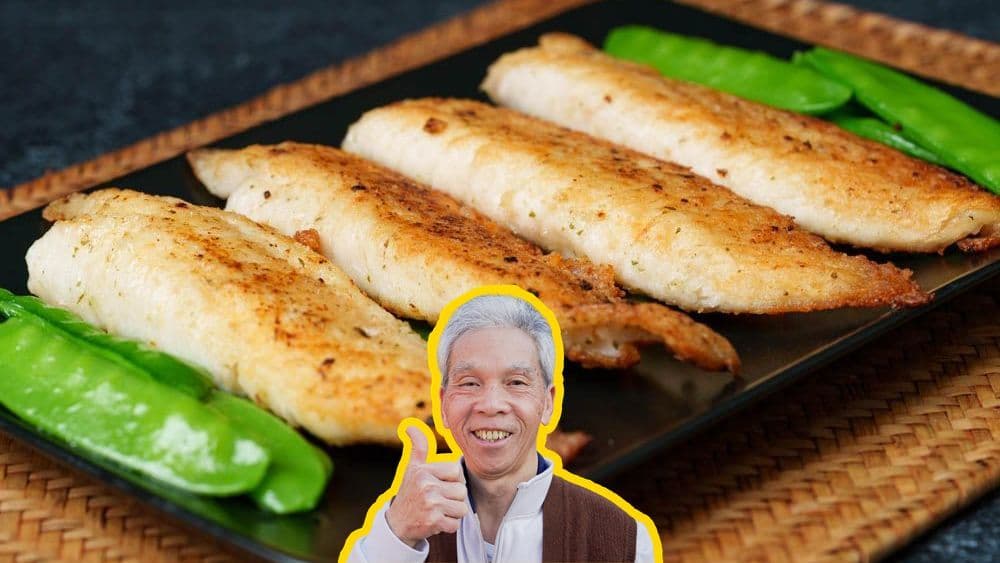
Most pan-fried tilapia recipes online are tested only a handful of times. My dad used to make this dish multiple times a day, every day, for 60+ years and can make this in his sleep.
I know you'll love it as much as our community does! This recipe has over 138.4K views, 2.9K likes on YouTube.
Ingredients
On tilapia
Tilapia is an inexpensive, mild-flavored fish that's readily available at most supermarkets. While we usually call for fresh fish in steamed preparations, frozen fillets work nicely for pan frying.
You can also swap other white fish like cod or halibut if you don't have tilapia on hand. Just be sure to check Seafood Watch for the most sustainable option.
On defrosting fish
My dad uses frozen tilapia, which requires defrosting before cooking. The best way to defrost fish is to place it in the fridge overnight. If you forget to do so, you can also run the bag of fish under cold running water. Never let frozen fish sit and defrost at room temperature.
Once defrosted, make sure to thoroughly dry the fish. Moisture will prevent the seasonings from sticking and the fish from browning.
How to make Pan-Fried Tilapia
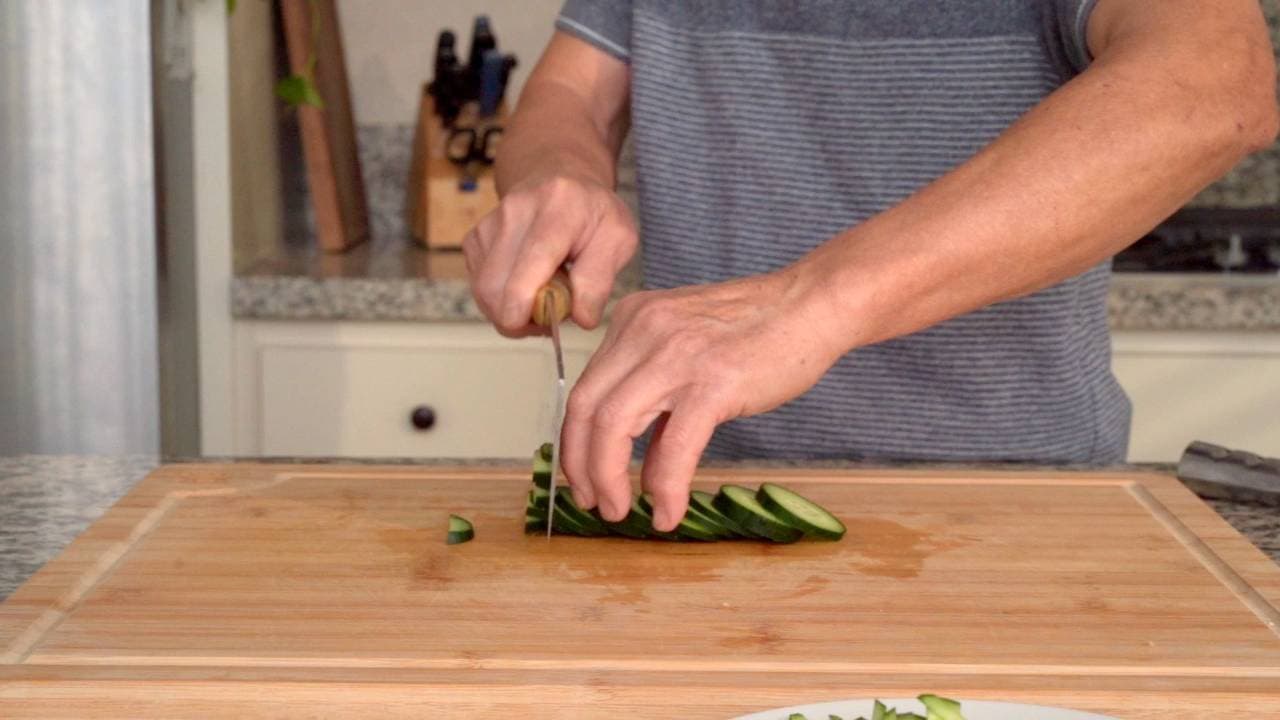
Destring the snow peas (3 oz). Hold the snow pea in one hand and use the other to pull the string down the edge, following it its natural path, until it returns to the end where you started. Remove and discard.
Dry the tilapia (18 oz), if needed. Season both sides of the fillets with white pepper (1 tsp) and garlic salt (1 Tbsp). Spread it around and pat the seasonings into the fish.
Coat both sides of fillets with cornstarch (1 Tbsp). Spread it around and pat the cornstarch into the fish.
In a small pot, bring water up to a boil. Add the oil (½ tsp), followed bu the snow peas. Blanch for 30 to 40 seconds.
Remove the snow peas from water and drain.
Heat a pan on high heat (only if it's not nonstick) for 1 to 2 minutes, or until slightly smoking.
Lower head to medium, add the oil (2 Tbsp).
(Chef's Tip: Be sure to use plenty of oil and heat the pan thoroughly. This not only helps prevent the fish from sticking, but also helps form a beautiful crust.)
Gently add the tilapia fillets. Pan fry for 2.5 to 3 minutes, moving around slightly with chopsticks or a spatula, but not immediately after adding them to the pan.
Press down on the fish. Flip the tilapia fillets and pan fry for 2.5 to 3 minutes. Tilt the pan slightly to ensure that the oil spreads evenly around the pan.
Add the cooking wine (1 tsp), pouring around the edge of pan. Turn the heat off and cover for 30 40 seconds.
Turn the heat back on to medium, pan-fry for 30 to 40 seconds until the liquid evaporates.
Turn the heat off. Place half the snow peas on the bottom of the plate, then place the tilapia fillets on top. Finish plating the rest of the snow peas around the side of the dish.
Top 3 Mistakes
- Flipping before the fish sets:
Leave the tilapia alone until the underside has cooked and firmed up. Turning the delicate fillet too soon can break it into pieces before the crust has a chance to develop.
- Leaving thawed fish too wet:
Dry the thawed tilapia thoroughly before seasoning and coating it. Surface moisture makes it harder for the seasoning to stick and prevents the fish from browning as intended.
- Starting with a cool pan:
Heat the wok or pan as directed before adding the ingredients. Starting before it is ready changes the initial cooking stage and makes the intended browning harder to achieve.
Frequently Asked Questions
How do you prevent fish from sticking to the pan?
Coating fish in cornstarch helps form a protective barrier. The most important step to prevent fish from sticking to a pan is proper preheating and using enough fat (in the case of this pan-fried tilapia, we use oil).
You can, of course, use a nonstick pan, which requires cooking at a low to medium heat for best results.
How do I stop the fillet from breaking apart?
To prevent fish from breaking apart during pan frying, allow the bottom to cook and firm up before flipping. It's best to let the fish sit for a minute or two after placing it into the pan. Flip too early and it'll come apart in pieces.
Pairs well with
View all →

Made with love ❤️
We started Made With Lau to celebrate Cantonese culture and honor the legacy of our wonderful parents, Jenny and Chung Sun Lau.
Our hope is that these recipes and stories help you spread the joy, love, and nostalgia that I felt growing up.