
The Hong Kong Style Noodles My Dad's Made 100,000 Times
Why this recipe
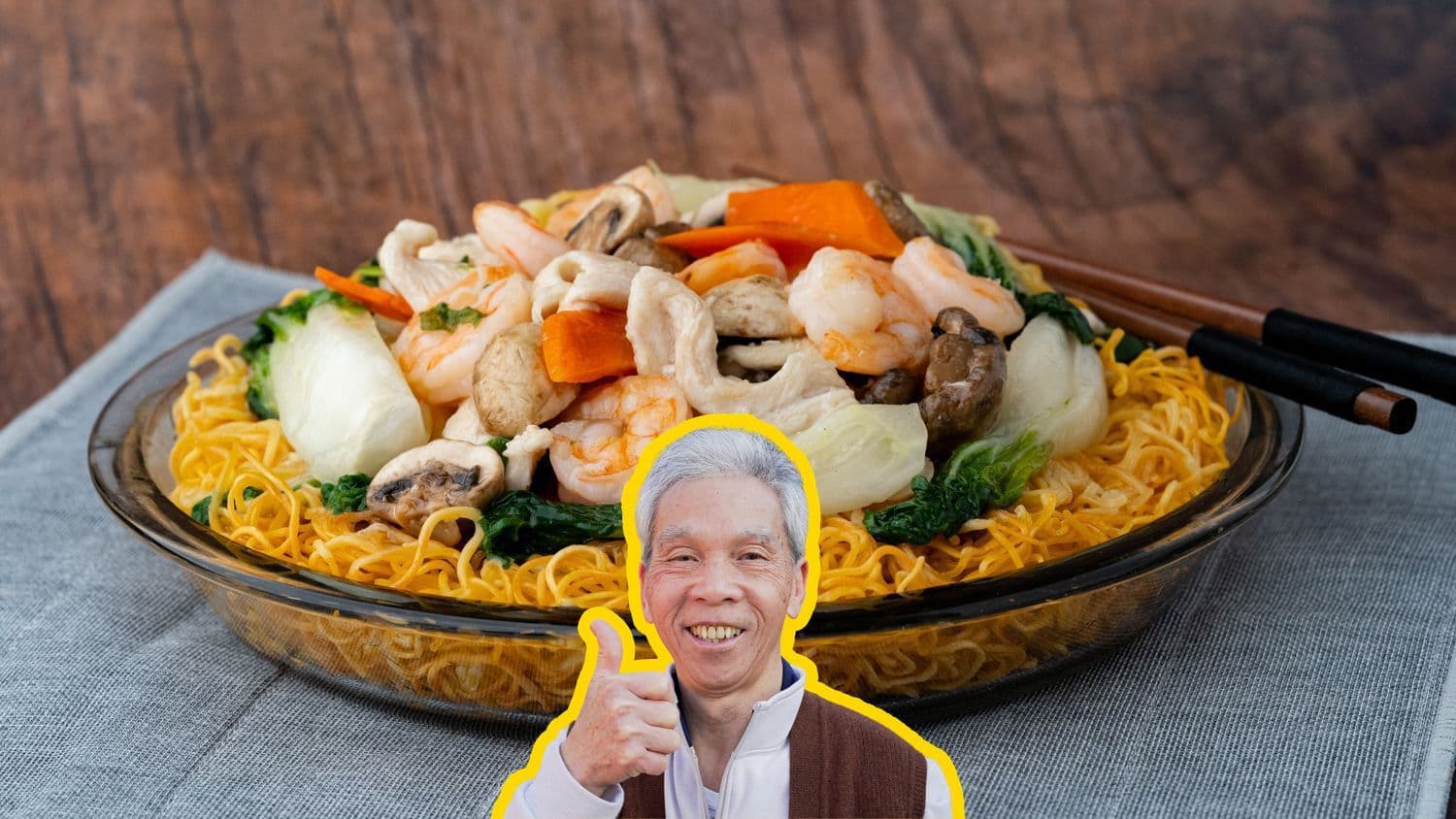
Most hong kong style noodles recipes online are tested only a handful of times. My dad used to make this dish multiple times a day, every day, for 60+ years and can make this in his sleep.
I know you'll love it as much as our community does! This recipe has over 692.8K views, 13K likes on YouTube.
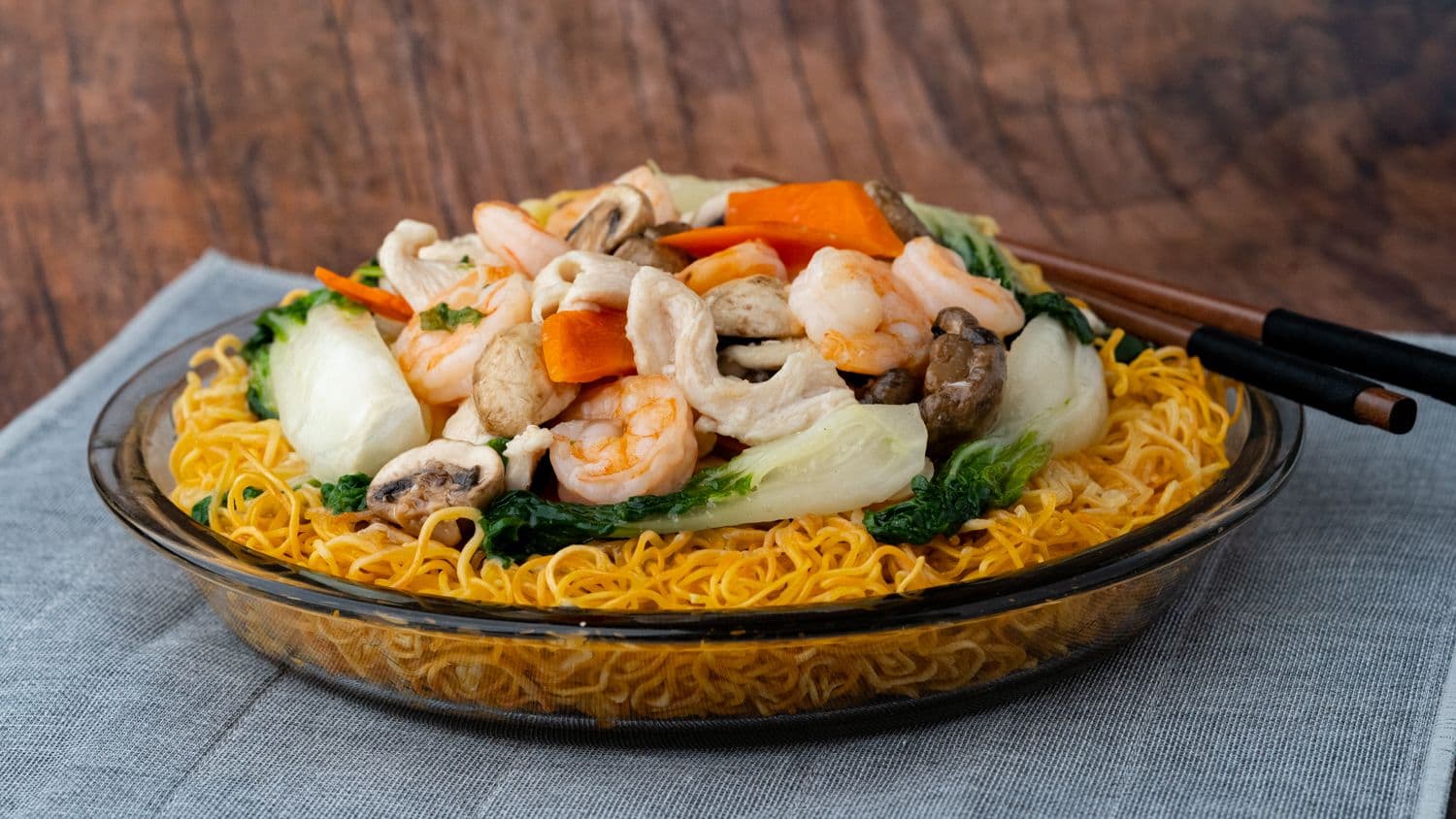
If you've never had this dish, it's basically like a noodle pancake that's extremely crispy on the outside and tender on the inside, coated in a delicious savory gravy along with a variety of tasty vegetables and meats.
Even though this dish is commonly known as Hong Kong-style noodles or Hong Kong chow mein, the name is a little misleading, as it's not originally from Hong Kong, nor is it stir-fried, which is what the word "chow" would suggest.
As my dad alluded to, the original name is léuhng mihn wòhng (兩面黃), which means yellow or golden on both sides. It originated in the Suzhou / Shanghai area, and was brought down to Hong Kong in the 1950s with the wave of Shanghainese immigrants.
From there, the dish quickly caught fire as Hong Kong chefs adapted the unique technique of letting the noodles slowly form a crispy layer on each side. Nowadays, léuhng mihn wòhng (兩面黃) or Hong Kong style noodles are enjoyed all around the world.
Pairs well with
View all →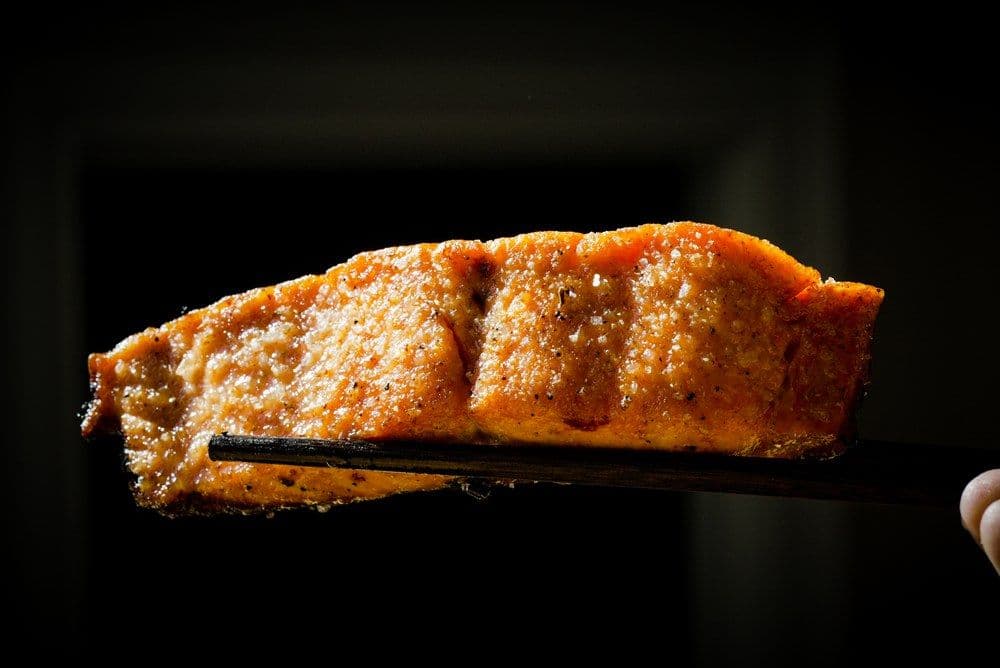
Ingredients
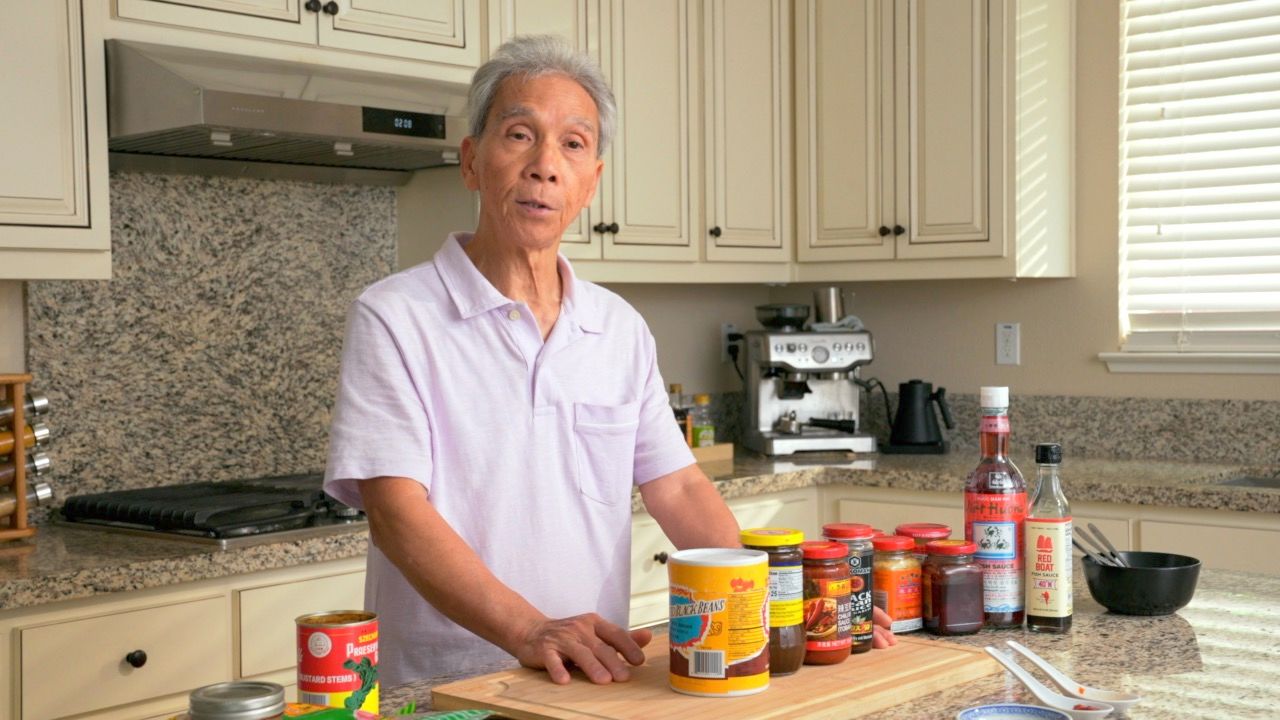
Selecting the Right Noodles
We talk A LOT about this throughout the video, but we'll be using fresh, unsteamed Hong Kong Style Pan Fried noodles.
These are Chinese egg noodles, and there are many, many different types, varieties, and brands that offer them.
For simplicity’s sake, here are 3 of the most common Chinese egg noodles: Wonton Mein, Lo Mein, and Chow Mein.
We’ll want to use Chow Mein, also known as Hong Kong Style Pan Fried Noodles. Chow Mein is the ideal type of noodle for the traditional flavor and texture profile we’re going for. They’re thinner than Lo Mein and have less egg content than Wonton Mein.
My dad talks about this in our video during Meal Time, but you can also buy the dried variety and boil it according to the instructions, cool it with water, and then proceed with our instructions as written.
Finding Asian Ingredients
Some of these ingredients are hard to find in a typical grocery store.
If you don't live near an Asian market, most or all of what my dad uses in this recipe can be found on Amazon:
- Kadoya Sesame Oil - https://amzn.to/3c7EOTu
- Lee Kum Kee Premium Oyster Sauce
I've also included some other Chinese kitchen essentials, used in many of my dad's other recipes.
- Pearl River Bridge Superior Light Soy Sauce
- Pearl River Bridge Superior Dark Soy Sauce
- Michiu Rice Cooking Wine
- Lao Gan Ma Chili Oil
- Koon Chun Hoisin Sauce
- Shaoxing Cooking Wine
- Bullhead Shacha (BBQ Sauce)
- Dried Orange Peels
- Koon Chun Ground Bean Sauce
- Dried Shiitake Mushrooms (soak for 15-20 minutes in warm water before slicing)
- Dried Wood Ear Fungus (a few options, depending on what's in stock):
These links are affiliate links, which means that if you use our links to purchase these ingredients, Amazon pays my family a small amount for the sale - at no extra cost to you. If you use these links, we really appreciate the support!
Alternatives to Oyster Sauce
If you're vegetarian or need to stay away from gluten, we have three alternatives for you!
Vegetarian Oyster Sauce
Since oyster sauce is made out of oyster extract, here are some alternatives that have a similar taste without using the actual oyster:
- Wan Ja Shan Vegetarian Mushroom Oyster Sauce
- Lee Kum Kee Vegetarian Stir Fry Sauce
- Lee Kum Kee also sells a bigger container of this
Gluten Free Oyster Sauce
Wok Mei has a gluten-free oyster sauce, but it still contains oyster extract, so it's not vegetarian friendly.
Vegetarian + Gluten Free Oyster Sauce
Unfortunately, we don't know of a vendor that sells an oyster sauce that caters to both dietary restrictions, so you'll need to DIY the sauce.
Mix equal parts gluten free soy sauce and gluten free hoisin sauce. This isn't exactly the same as oyster sauce, but it's pretty close.
Instructions
Steam noodles, drain, separate
Here's a quick run-down of the types of HK-style noodles you can buy:
- fresh, unsteamed
- fresh, steamed
- dried
In the video, we demonstrate how to cook with fresh, unsteamed noodles (which is my dad's preference). This takes a little bit of extra work but it's worth it.
We'll need to cook the noodles by steaming them, which is one of the main keys to nailing the perfect texture.
Here's what you do:
- Place your steamer rack in a wok on high heat. Pour enough water so that the top of the rack isn't submerged, and start boiling water.
- Take the rack out, separate, and lay out the noodles (12 oz) on top of the rack.
- Once boiling, set the steamer rack + noodles back in the wok and cover for 10 minutes. Leave the stove on high heat.
- If you're using a steamer rack without holes (i.e. steaming on a plate where the steam can't easily access the bottom, steam for 2-3 extra minutes.)
- Once the 10 minutes is up, quickly dump the noodles in the water for 15-30 seconds.
- Drain the noodles through a colander, and spend about 1-2 minutes fluffing and separating the noodles with chopsticks.
- Let it cool for 3-5 minutes.
If you're using fresh, steamed noodles, you can skip the steaming step. Instead, dunk the noodles in boiling water for about 2 minutes before draining.
If you're using dried noodles, it's somewhat similar to cooking instant ramen. Cook according to the package's instructions, erring on the more al-dente side, and rinse with cold water afterward to stop the cooking.
Cut vegetables & prepare chicken
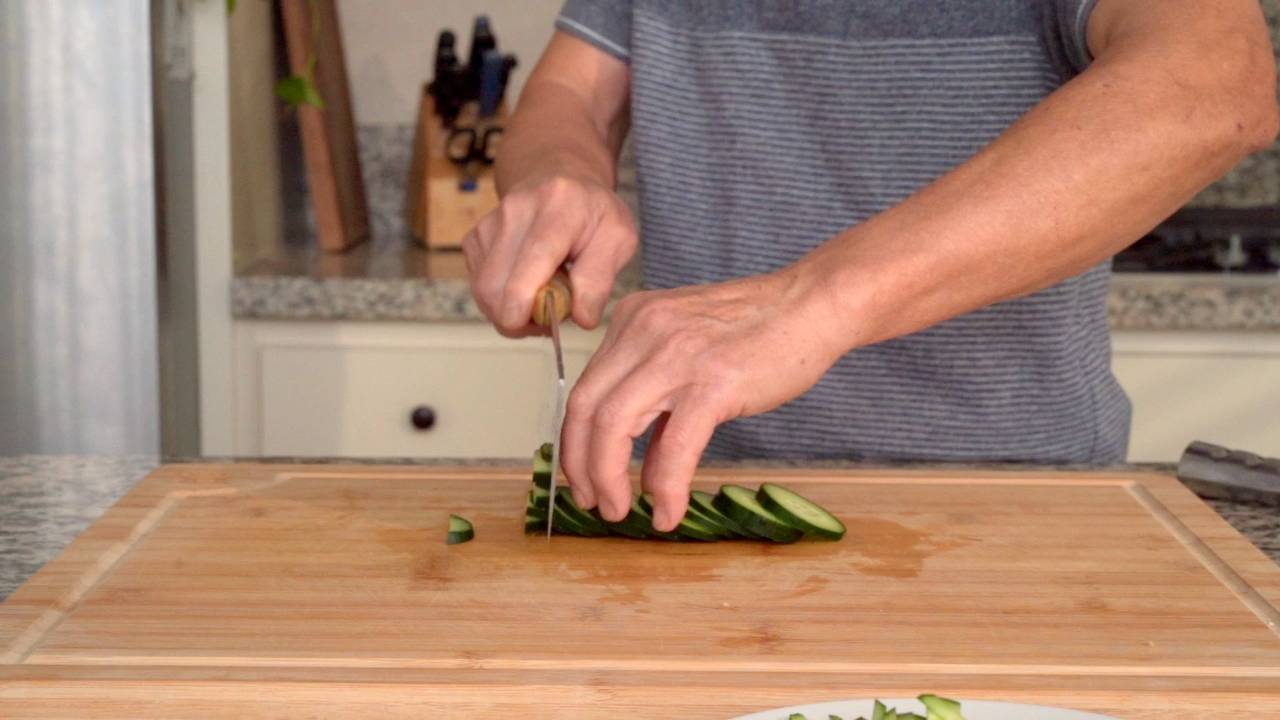
We'll be washing and cutting our vegetables:
- bok choy (8 oz): cut into quarters for bigger pieces, halves for smaller pieces. We don't need to cut off the stem.
- white mushroom (3 oz): cut away the stem, and cut in halves
- carrot (1 oz): cut into about 2mm thick slices.
- ginger (2 slice): cut into about 2mm thick slices, and cut into little triangles.
- green onion (1 piece): cut only the whites into about 1-inch pieces. It's a stylistic thing but my dad cuts them diagonally.
The amounts are very flexible! If you make more than you can fit on your eventual noodle pancake, then you can also eat it separately.
For the chicken (4 oz), we'll cut it into slices against the grain. Marinate it with cornstarch (1 tsp), water (1 tsp), and salt (0.25 tsp). Stir the cornstarch slurry and chicken for about 30 seconds until the chicken is evenly coated.
Assuming you bought peeled, deveined shrimp, you don't need to do anything extra to them.
Pan fry noodles
Next, we'll heat our pan on high heat for about 2-3 minutes. If you're using a non-stick pan like the one pictured, use medium-high heat to help protect the non-stick coating. Then, we'll add corn oil (1 tbsp). Swirl it around the pan and let the oil heat up until it's shimmering, or forming ripples across the surface.
Add the noodles to the pan.
For the noodles, we want each side to become a crispy golden brown. We'll cook each side for about 7-10 minutes, occasionally turning the noodles but not stirring or breaking into the layers.
After flipping, we'll add more corn oil (1 tbsp) to the rim of the noodles, so that this new side also gets a nice crisp.
After the second side has turned golden & crispy, transfer the noodles onto a plate.
My dad explains this in the video, but he turns the noodles occasionally because most pans and stoves have uneven heat distribution. Turning helps ensure that the entire surface of the noodles gets evenly crispy.
Typically, restaurants use a ton of oil, even deep-frying the noodles. The cooking time is much quicker at restaurants with more oil and roaring stoves. At home, we can make a healthier version with less oil and longer cooking times, since we're not rushed to serve a ton of customers.
Cook meats & aromatics
Add the chicken, and cook for about 1 minute before adding the other ingredients.
Scoot the chicken off to one side, and add the ginger and green onions. Let the ginger and green onions cook for about 45-60 seconds before adding the shrimp.
Add the shrimp, and cook for about a minute until it starts turning orange. For this step, the chicken and shrimp don't yet need to be fully cooked, because we'll still be cooking everything more later.
Transfer everything into a bowl to be mixed back later.
Cook veggies
We don't need to add additional oil, since there's already some in the pan.
Place the bok choy, mushrooms, and carrots into the pan, along with boiling water (12 oz).
Cover the pan and let the vegetables cook for about 4 minutes.
Add meats & create sauce
We'll add the shrimp, chicken, and aromatics back into the pan. Mix everything for a bit.
Then, we'll be adding salt (0.50 tsp), sugar (0.75 tsp), chicken bouillon (1 tsp), and oyster sauce (1 tbsp) to the pan. We'll also mix cornstarch (1.5 tbsp) and water (1 tbsp) in a bowl until it's an even slurry, and add it to the pan as well.
The cornstarch and water help to thicken the sauce into more of a gravy, which is what we want. You may need to adjust with more or less cornstarch to achieve the consistency you want.
Finally, add sesame oil (1 tsp).
Plate
Transfer the vegetables, meats, and gravy onto the noodles! It's time to eat :)
It's best to eat this as soon as possible since the sauce will inevitably make the noodles soggier over time.
Made with love ❤️
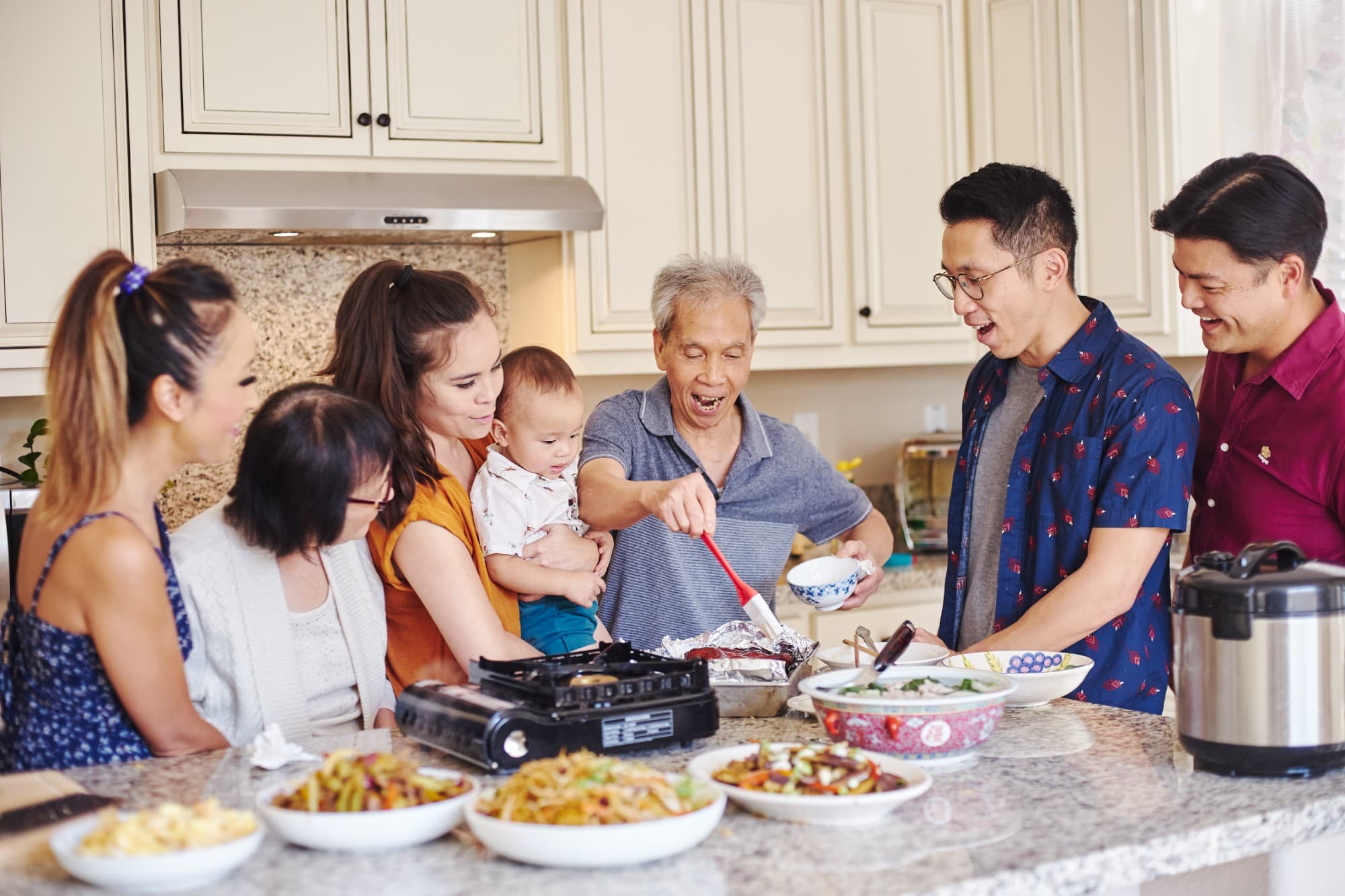
We started Made With Lau to celebrate Cantonese culture and honor the legacy of our wonderful parents, Jenny and Chung Sun Lau.
Our hope is that these recipes and stories help you spread the joy, love, and nostalgia that I felt growing up.
