Ginger & Scallion Crab
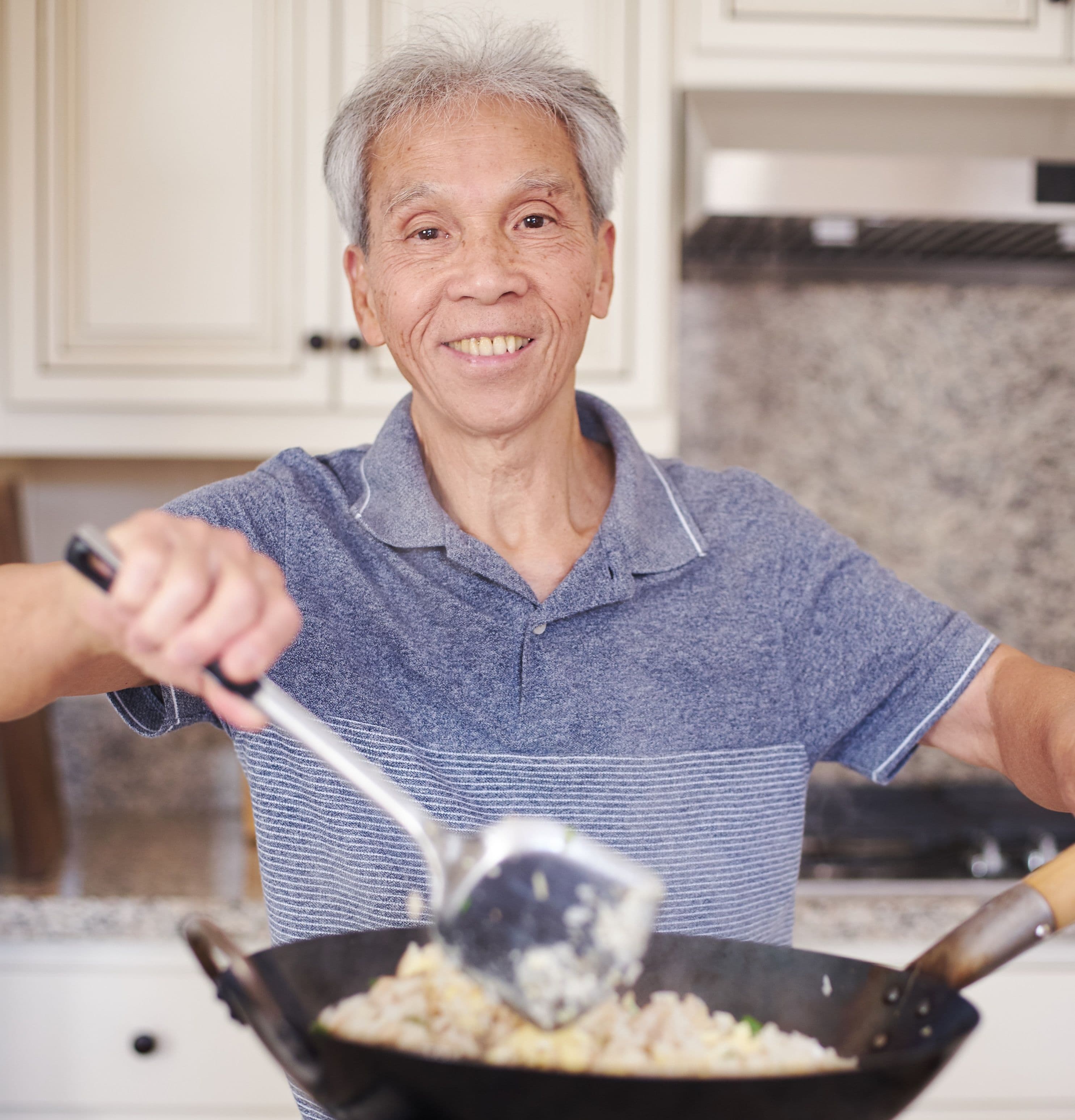
This luxurious seafood indulgence is more straightforward than you can imagine!

Cooking Summary
Ingredients: (detailed list)
- Main Ingredients: crab, ginger, green onion, garlic, cornstarch, corn oil, oil, water
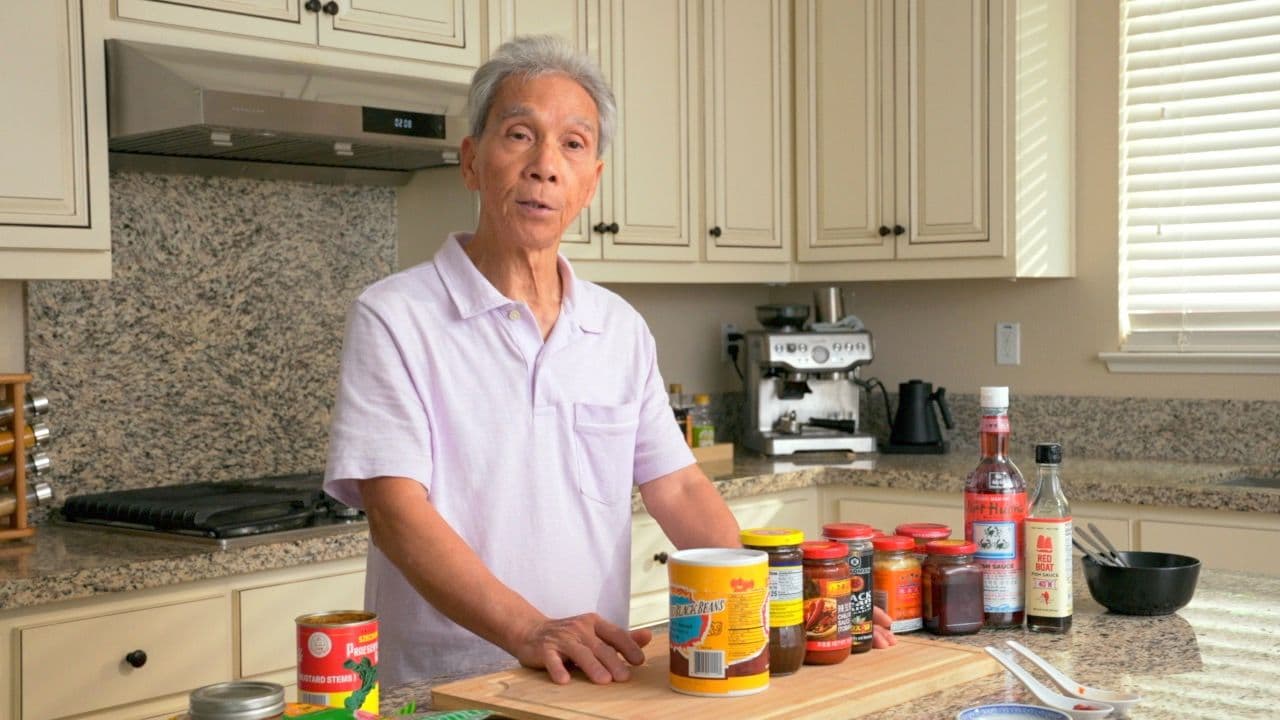
- Sauce: Kikkoman® Oyster Sauce, Kikkoman® Soy Sauce, Kikkoman® Tamari Soy Sauce, white pepper, sugar
- Slurry: cornstarch, water
- Additional Seasoning: cooking wine, Kikkoman® Sesame Oil, oil
Steps:
Jump To Section
Overview
This savory centerpiece can look intimidating, but don't let it scare you! Follow Daddy Lau step-by-step to achieve this tasty and beautiful dish. Together, you can make this shellfish enjoyable and easy to eat at the table, with a savory, garlicky sauce that perfectly highlights the crab flavor.
Thank you, Kikkoman!
This recipe is brought to you in part by Kikkoman. My dad has been using Kikkoman flavors throughout his 50-year career as a chef, and it's a privilege to get to partner with them on such an iconic recipe, Ginger & Scallion Crab!
- Kikkoman products are a major flavor enhancer and bring out the “umami” taste, and help balance and round out flavors
- Kikkoman® Less Sodium Soy Sauce is perfect for home cooks who are looking to cut down on their sodium levels, without sacrificing flavor
- Kikkoman offers a wide range of Gluten-Free Asian sauces, including Gluten-Free Oyster Sauce and Gluten-Free Hoisin Sauce
- The KikkomanUSA.com Chinese site offers easy Asian recipes that home cooks can enjoy any night of the week
You can learn more about Kikkoman and follow them on social media here:
- Website: https://www.KikkomanUSA.com
- Facebook: https://www.facebook.com/KikkomanChineseUSA (Kikkoman 萬字在美)
- Instagram: https://www.instagram.com/kikkomanusa_chinese/ (Kikkoman 萬字在美)
Why this recipe
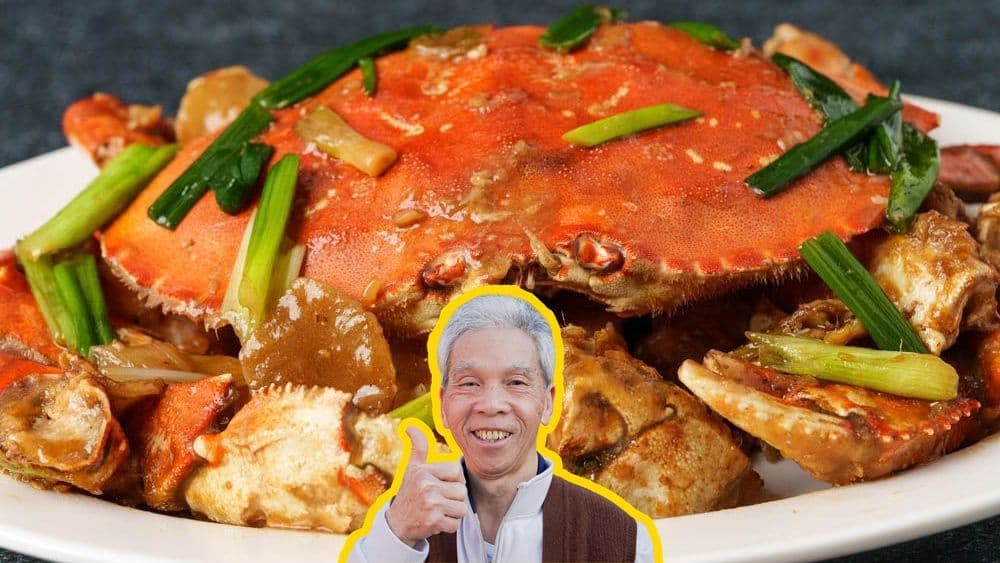
Most ginger & scallion crab recipes online are tested only a handful of times. My dad used to make this dish multiple times a day, every day, for 60+ years and can make this in his sleep.
I know you'll love it as much as our community does! This recipe has over 369.3K views, 5.2K likes on YouTube.
Ingredients
Buying crabs
Species by species and region by region, there will always be differences between types of crabs, whether those differences show up in the taste or the texture. However, when you actually go to the store, you may not actually get many choices. Honestly, it's most practical to go by price and by the size, based on your budget and how many people you're feeding.
If you want an in-depth introduction to your selection, there's no better teacher than the people working the seafood counter. They may even share some secret tips as to which ones are freshest or tastiest.
How to make Ginger & Scallion Crab
(If you're using a frozen crab and are satisfied with its cleanliness, you can skip this step and move on to the next step.)
Begin by washing the live crab (2 lb). Of course, please watch your hands and fingers as you do so, and avoid poking yourself on sharp edges and spikes. Scrub down the shell, the legs, and the claws with a clean, abrasive sponge and cold water. This simply gets rid of excess surface debris.
Then, put the crab in the freezer to knock it out. After 30 minutes in the freezer, it will be unconscious and you can humanely process it with minimal fuss.
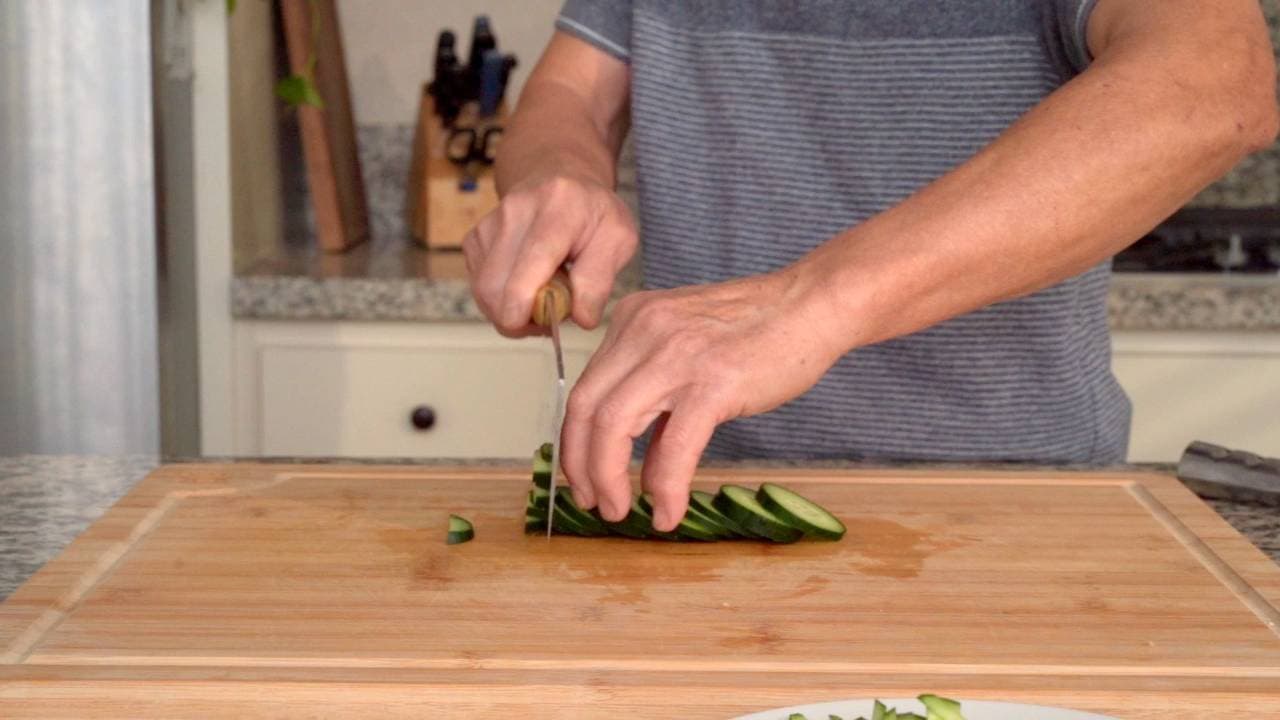
If you prefer to peel your ginger (1½ oz), you can scrape off the peel with a spoon or with a peeler. You can also choose to keep the nutritious peel on, as long as you wash it thoroughly.
Then, you can choose to either slice the ginger thinly, or smash it into small, crushed pieces. Thin slices are easier to eat, whereas smashed pieces will give more flavor to the dish. You can get the best of both worlds by having some of each shape.
Trim off and discard the roots of the green onions (2 oz). Then line them up and give the white parts a quick smash to break them open and release their flavor. Slice the green onions into 2-inch segments.
Smash, peel, and roughly mince the garlic (3 clove).
In a separate bowl, mix together oyster sauce (2 Tbsp), light soy sauce (2 Tbsp), dark soy sauce (1 tsp), white pepper (¼ tsp), and sugar (½ tsp). Set it aside for later.
When the crab is knocked out, remove it from the fridge and take it to the cutting board to start processing it.
First, pull the shell (the main, round one covering the body) straight off. Pour off and discard the liquid. Inside the body, you'll see the gills of the crab. Those are the crab's filters, and we don't want to eat them. Pull them out.
Then, chop the crab's legs off with the cleaver, aiming for the highest joint that's closest to the body.
Next, chop the main body in half, into two symmetrical halves. We'll chop these halves into a few more pieces. There'll be lines running from the center of the body outwards, like a grain. Chop down following those grain lines to cut each half into 4 pieces that are more manageable sizes to eat.
We'll also cut off the tips of each leg. They're dangerously sharp, so we don't want to serve them. Cut the tips off with kitchen shears or with a quick chop of your knife. Then, lay the leg down on the cutting board with the flat sides of it upright, so you can smash down onto its "calves" with the back or side of your knife. This breaks up the shell so that it's much easier to open up and eat later.
Take each claw of the crab and cut through the soft joints to make two smaller pieces. Then, smash the shell a bit with your knife.
Finally, we'll take care of the shell. Remove the crab's stomach by pressing down on it from near the eyes, then pulling it completely out. This, and the liquid that comes from around it, is bitter, so make sure to discard it. Then, use the heel of your knife, where you have most control of its movement, to chop away the edges of the shell. You'll see some yellow crab roe as you chop the edges off; that's delicious, so keep the roe.
The crab is now chopped up. Congratulations! Next, we'll put a light coat of cornstarch on these pieces so they'll be extra aromatic when we fry them, and to make a bit of a crust for texture and to keep the juicy flavor in.
Sprinkle cornstarch (3 Tbsp) over all the body and claw pieces. You can skip the leg pieces because they're mostly enclosed in shell. Sprinkle some cornstarch into the main shell as well, to keep it from drying out.
Heat the wok on the highest setting. Once it's hot, add corn oil (4 Tbsp), and swirl to coat the wok. It'll only take a few seconds for the oil to heat up, at which point, you can add the coated crab pieces in one at a time. For this initial stir-fry step, skip the legs and main shell.
The pieces need to be added individually in order for each piece to have contact with the heat and oil; if you were deep-frying in a larger amount of oil, you could consider dumping everyone in at once.
Tilt the wok around so that the oil can swirl to meet all the different pieces. After a minute of cooking, lower the heat. The bottom of the pieces should be golden brown, so flip them in order to start cooking the other sides.
Turn the heat back up to get the fry going. Cook for another minute, then take out the crab. It'll basically be cooked through at this point; seafood in general cooks very quickly!
Pour the oil out into a bowl. You'll be taking some to reuse in the next step.
Set the heat to high, then add in oil (1 Tbsp), reserved from the previous step. Add the garlic, ginger, and the white parts of the green onions, and fry until fragrant, or about 20 seconds.
Add the crab legs and stir-fry with the aromatics for 30-40 seconds.
Add all of the pre-fried crab pieces. Then, add cooking wine (1 Tbsp). Add water (1 cup) and the sauce that you mixed earlier. Add the crab shell and put a lid on the wok so that everything can steam and cook together.
While it's cooking, mix together a slurry of cornstarch (1 tsp) and water (1 Tbsp) in a separate bowl. Stir until the cornstarch is completely dissolved. The slurry will keep the crab meat juicy and make sure the delicious juices are thick enough to keep coating the crab pieces as you eat them.
After 3 minutes of cooking, uncover the wok. Take the main shell out, and give everything a good stir. Set the heat to low. Give it a taste, in case it needs some adjusting. When you're happy with the flavor, add in the cornstarch slurry while gently stirring.
Add the rest of the green onions and turn off the heat. Drizzle sesame oil (1 tsp), and then take a bit more of the reserved frying oil (1 tsp) to drizzle over as a finishing oil. These final oils will give the crab a shiny gloss and a smooth texture.
Double-check the consistency of the sauce; over the last few minutes, it will likely have tightened and thickened up further. If it's too thick for your liking, you can add a bit more water. In our video, my dad added 2 tbsp of water to thin out the sauce and to get more volume of sauce.
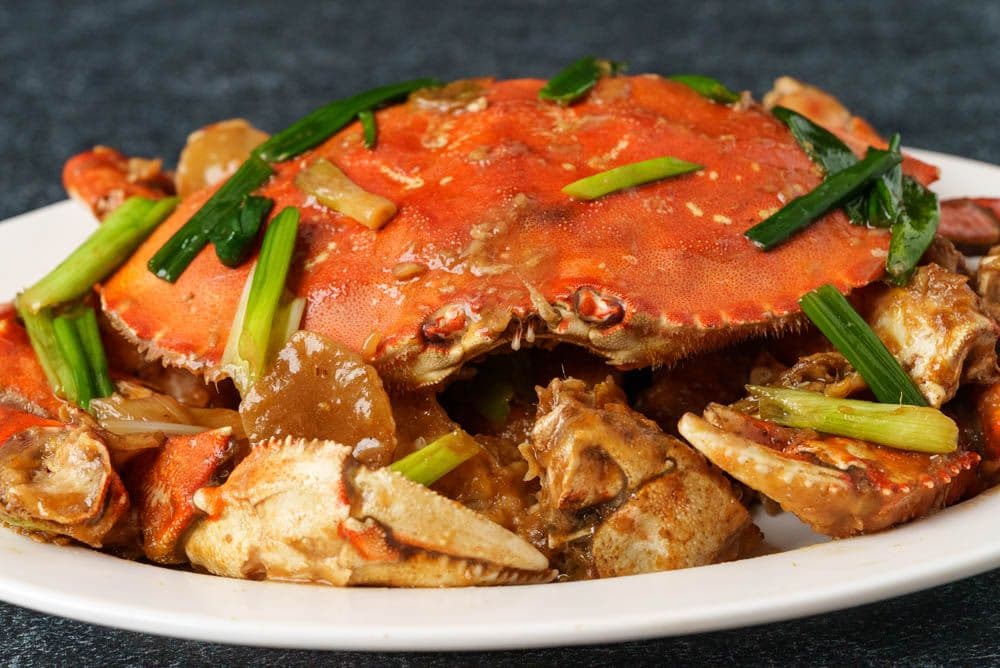
For maximum presentation points, rearrange the crab pieces into the shape and structure of the original crab as you plate them. Don't forget to sauce up the main shell. Enjoy!
Top 3 Mistakes
- Starting with cooked crab:
Use uncooked crab, even when buying it frozen. This recipe cooks the crab during the stir-fry, so starting with already cooked crab makes it much easier to overcook the meat.
- Leaving the shells uncracked:
Crack the leg shells during preparation and remove the sharp tips. Doing that work before cooking makes the finished crab easier to open and enjoy once it is coated with sauce.
- Burning the garlic early:
Watch the aromatics closely once they hit the hot oil. Follow the recipe’s heat and timing, moving on when they become fragrant rather than letting them turn dark and bitter.
Frequently Asked Questions
How do you choose a good crab to cook?
Although different crab varieties may have distinct tastes and textures, the selection at your store may not be that broad. It's most practical to go by price and by the size, based on your budget and how many people you're feeding.
If you want an in-depth introduction to your selection, there's no better teacher than the people working the seafood counter. They may even share some secret tips as to which ones are freshest or tastiest.
How do you clean and prep crab for cooking?
You'll want to give the crab a quick scrub with a clean sponge and clean water.
Then, you can follow our step-by-step instructions below, or follow our video, to see how to chop up the crab and discard unwanted parts.
Can I stir-fry frozen crabs?
Sure! You'll be able to follow our recipe for Ginger & Scallion Crab just the same. Make sure your frozen crab is uncooked, though. We don't recommend making this with already cooked crab, as you're more likely to overcook the dish with those.
How do you get meat out of crab?
We have two major tips for making sure you get the most out of your tasty crustacean.
First, when you're chopping it up and preparing the crab for cooking, give the hardest and most enclosed pieces, like the legs, a few good smashes with your cleaver or a rolling pin. You won't be peeling the shell off, but you'll be making it easy to peel at the table, the way you'd crack the shell before you'd try to peel a hard-boiled egg.
Second, as you're at the table enjoying the crab, don't be shy. Get in there with your hands, your chopsticks, and your special seafood-picking fork. Whatever it takes to get in there is worth it!
Pairs well with
View all →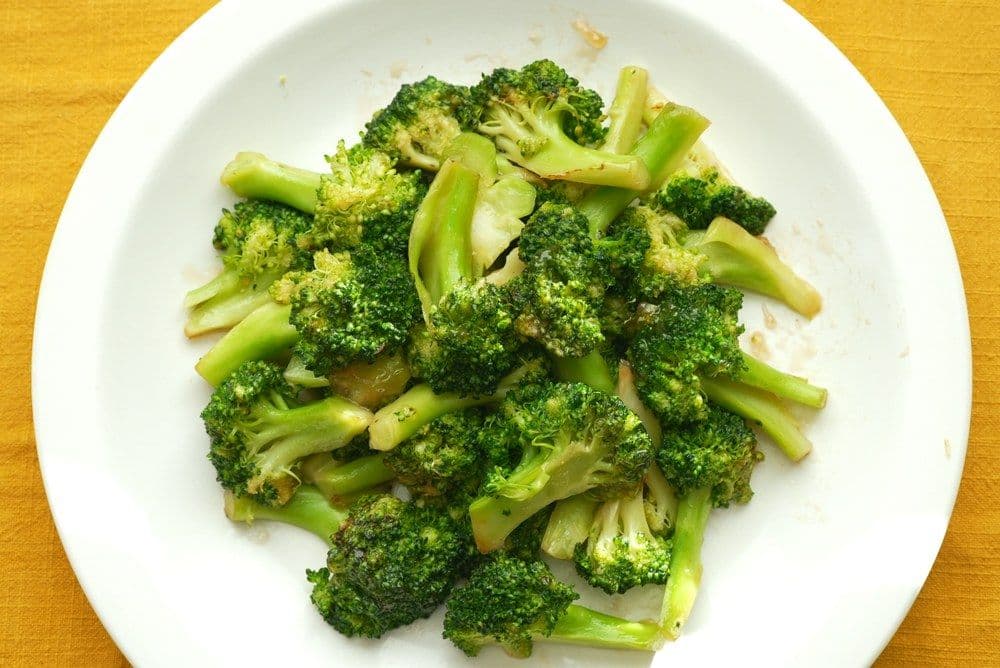
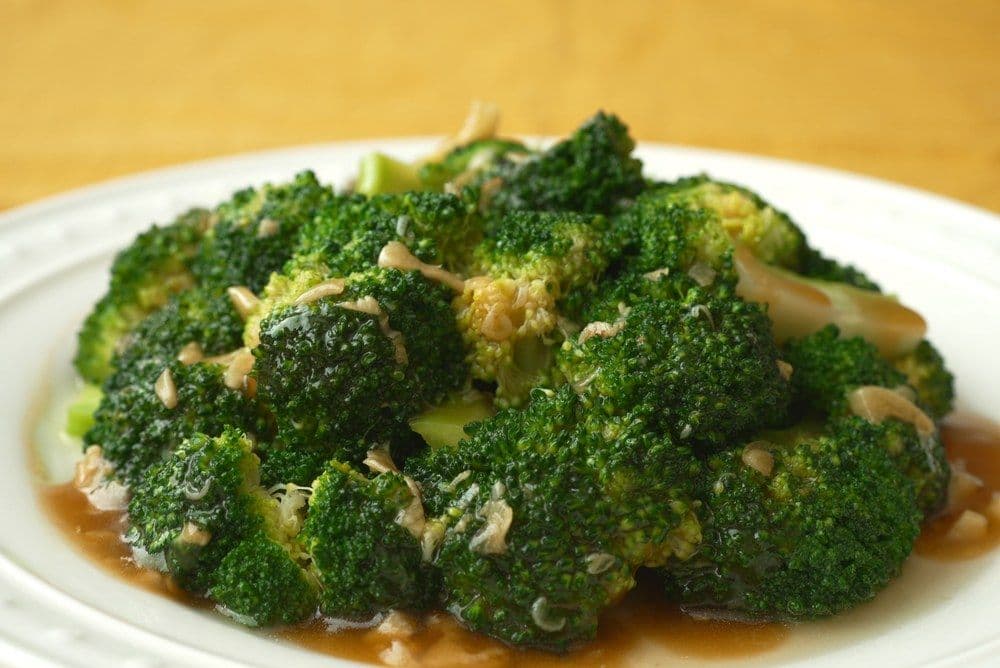
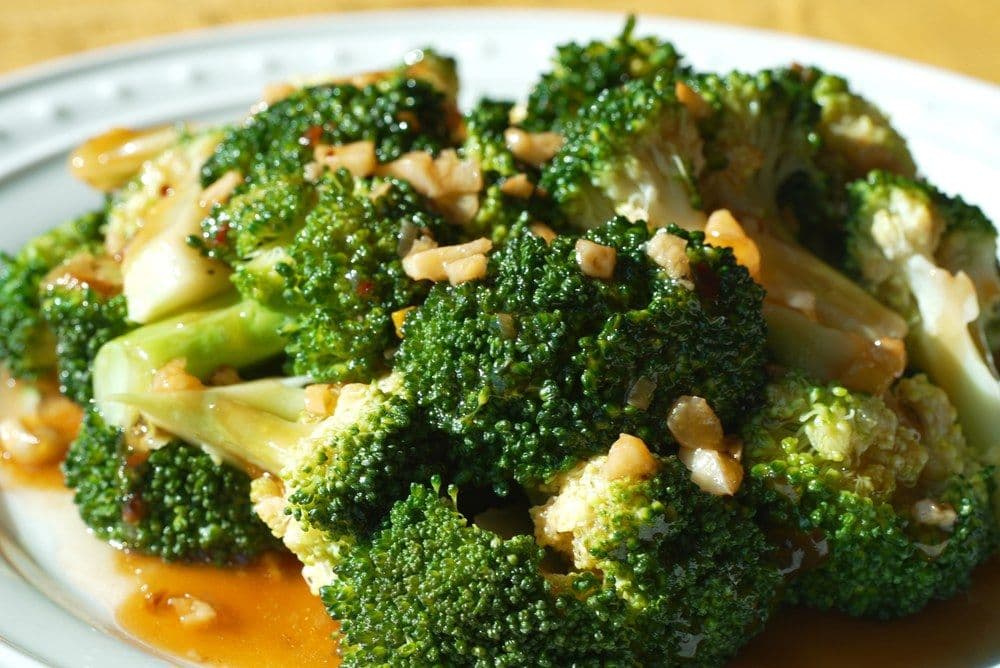
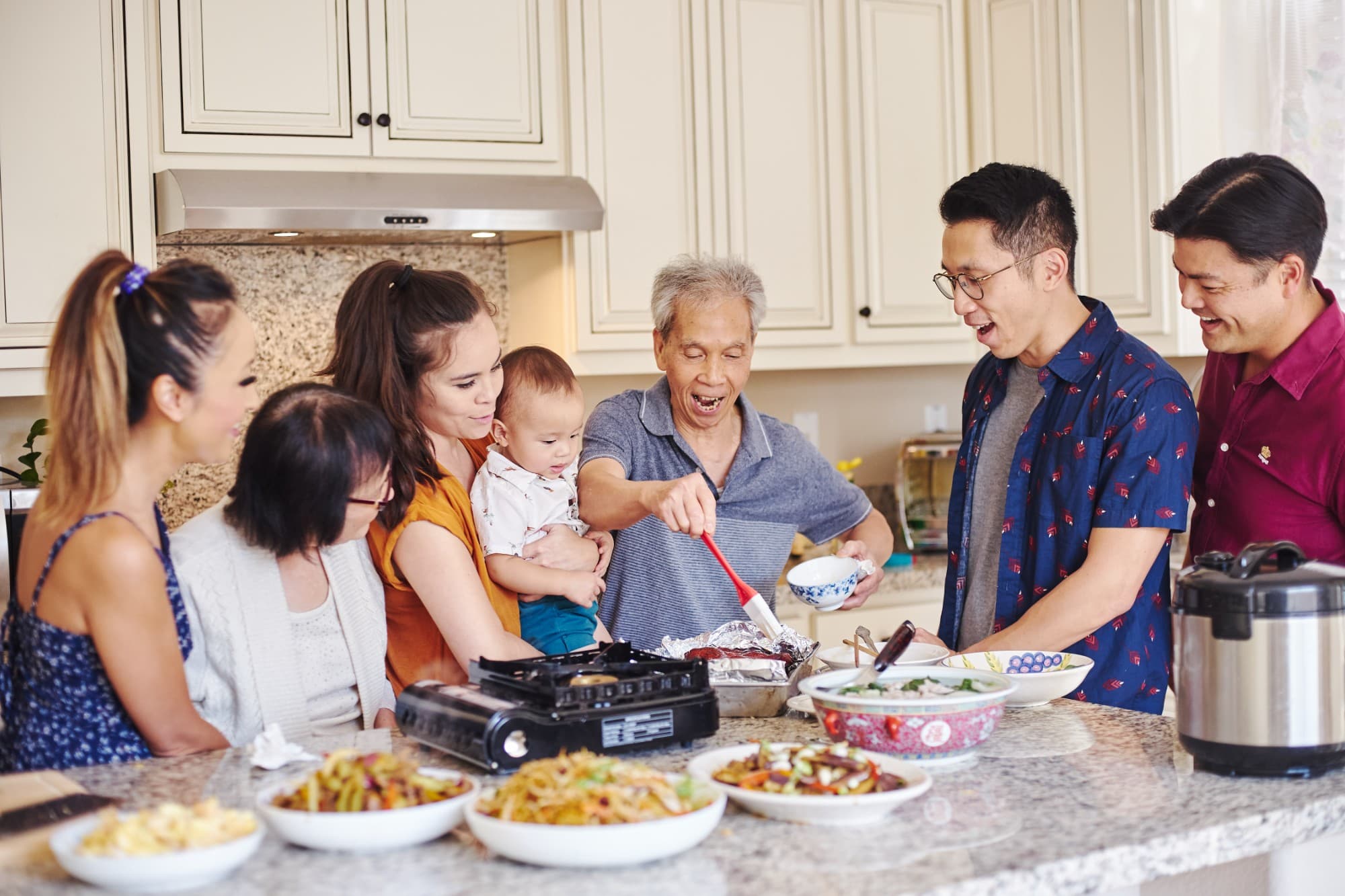
Made with love ❤️
We started Made With Lau to celebrate Cantonese culture and honor the legacy of our wonderful parents, Jenny and Chung Sun Lau.
Our hope is that these recipes and stories help you spread the joy, love, and nostalgia that I felt growing up.