Kung Pao Chicken
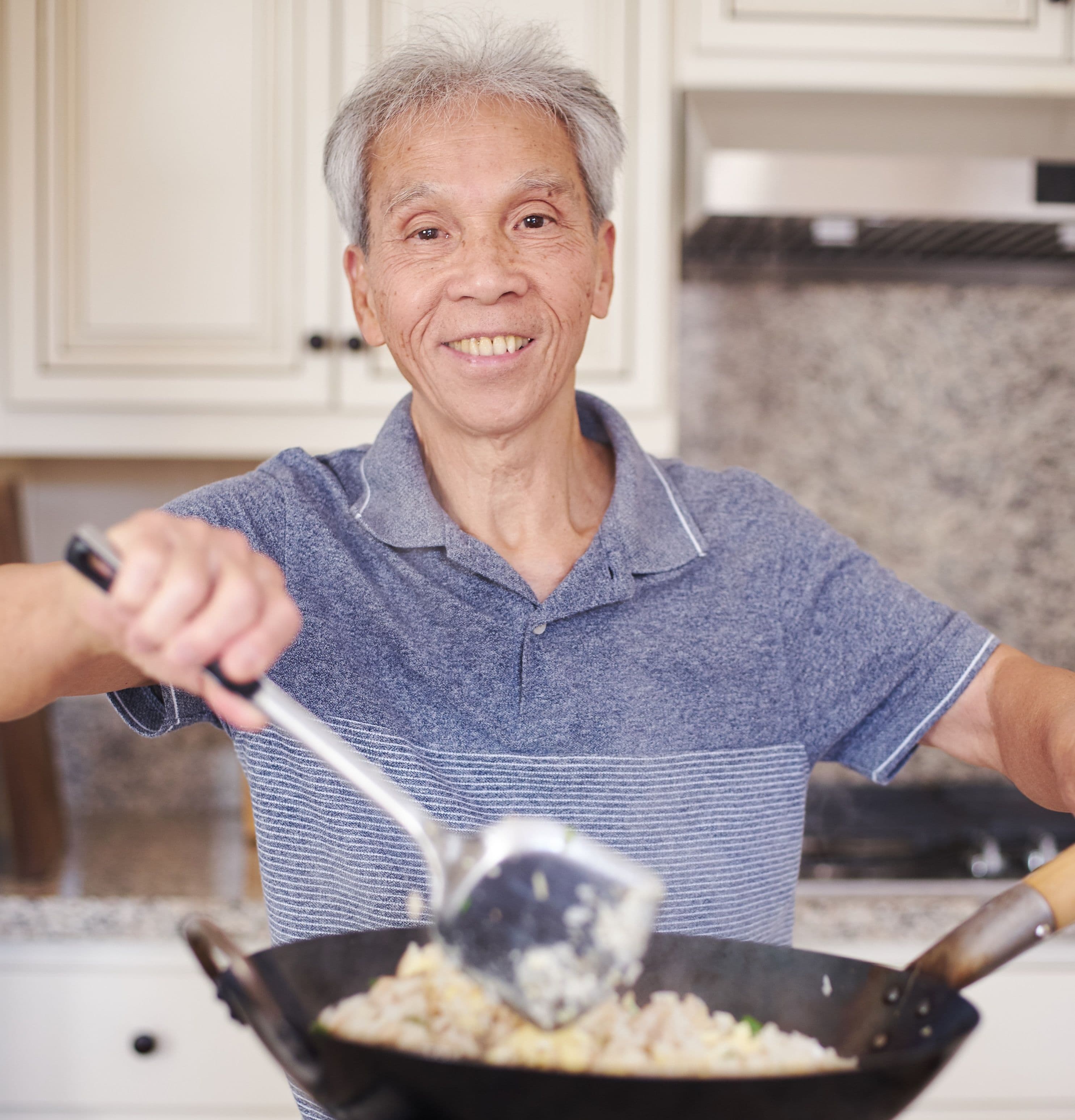
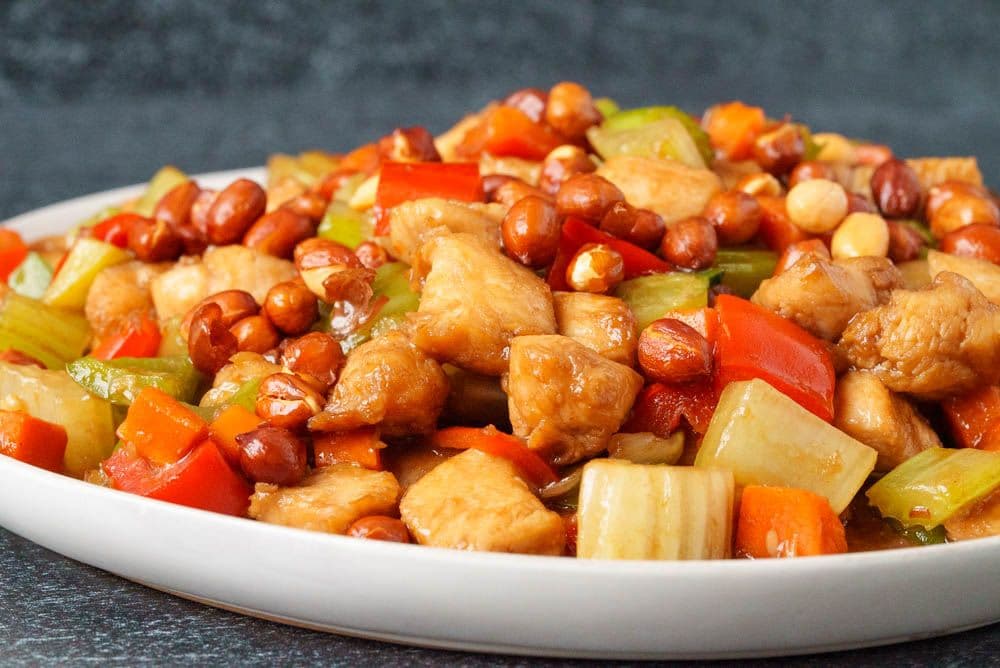
You can hear the crunch in this sweet, spicy chicken stir-fry!

Cooking Summary
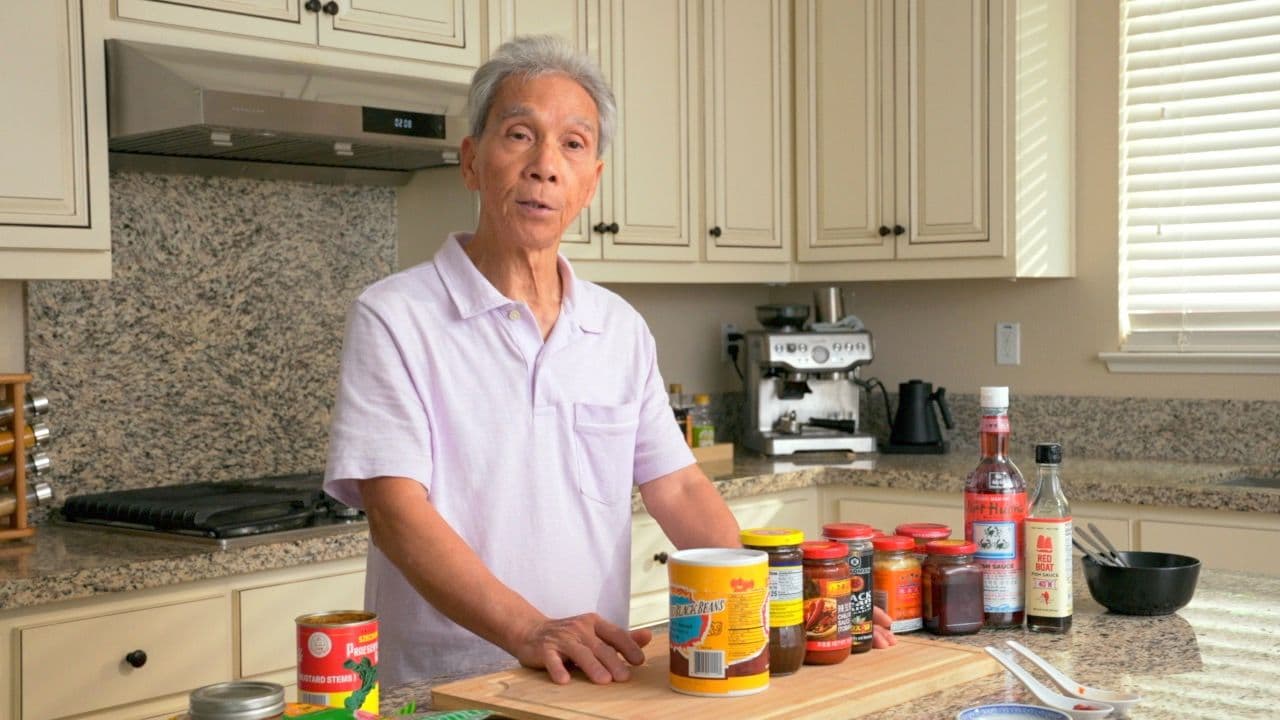
Ingredients: (detailed list)
- Main Ingredients: chicken breast, peanut, broccoli stem, celery, carrot, red bell pepper, green bell pepper, shallot, garlic, dried chili, cooking oil, water
- Chicken Marinade: salt, sugar, Kikkoman® Oyster Sauce, Kikkoman® Soy Sauce, Kikkoman® Tamari Soy Sauce, cooking wine, white pepper, cornstarch, water
- Stir-fry Sauce: salt, sugar, oyster sauce, Kikkoman® Soy Sauce, Kikkoman® Tamari Soy Sauce, cooking wine, ground bean sauce, chili sauce
- Cornstarch Slurry: cornstarch, water
- Seasonings: salt, Kikkoman® Sesame Oil
Jump To Section
Top 3 Mistakes
- Adding thickener too fast:
Add the starch mixture gradually while stirring, checking the texture as it thickens. Pouring it all in at once gives you less control over the final consistency of the sauce.
- Burning the garlic early:
Watch the aromatics closely once they hit the hot oil. Follow the recipe’s heat and timing, moving on when they become fragrant rather than letting them turn dark and bitter.
- Ignoring the oil temperature:
Check the oil using the recipe’s heat guidance before adding the ingredients. Oil that is too cool or too hot changes how quickly the food cooks and how evenly the surface browns.
Overview
Where is Kung Pao Chicken from?
We'll avoid answering the question by saying, it comes from many places! A spicier version with characteristic Sichuan peppercorns originates from the Sichuan region, of course. Southeast of Sichuan, mountainous Guizhou makes it with ciba chili paste and no peanuts.
And our sweeter, milder version is the product of the Cantonese immigrant legacy, when Chinese Americans adapted Chinese dishes to work with American produce and tastebuds.
Which one is authentic?
Every one of these versions is authentic, with its own history, sentimentality, and reason for being.
Thank you, Kikkoman!
This recipe is brought to you in part by Kikkoman. My dad has been using Kikkoman flavors throughout his 50-year career as a chef, and it's a privilege to get to partner with them on such an iconic recipe, Kung Pao Chicken!
- Kikkoman products are a major flavor enhancer and bring out the “umami” taste, and help balance and round out flavors
- Kikkoman® Less Sodium Soy Sauce is perfect for home cooks who are looking to cut down on their sodium levels, without sacrificing flavor
- Kikkoman offers a wide range of Gluten-Free Asian sauces, including Gluten-Free Oyster Sauce and Gluten-Free Hoisin Sauce
- The KikkomanUSA.com Chinese site offers easy Asian recipes that home cooks can enjoy any night of the week
You can learn more about Kikkoman and follow them on social media here:
- Website: https://www.KikkomanUSA.com
- Facebook: https://www.facebook.com/KikkomanChineseUSA (Kikkoman 萬字在美)
- Instagram: https://www.instagram.com/kikkomanusa_chinese/ (Kikkoman 萬字在美)
Ingredients
Why this recipe
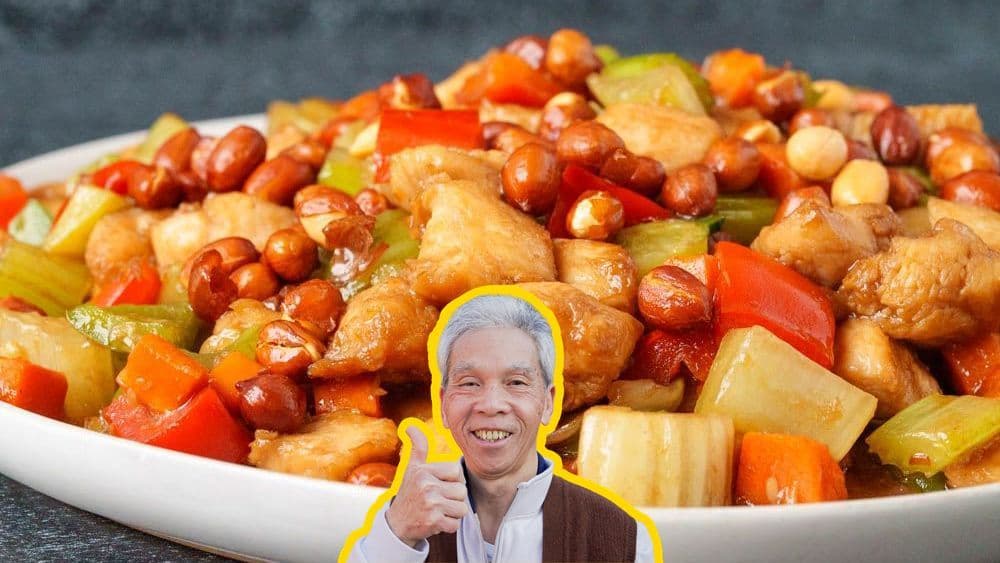
Most kung pao chicken recipes online are tested only a handful of times. My dad used to make this dish multiple times a day, every day, for 60+ years and can make this in his sleep.
I know you'll love it as much as our community does! This recipe has over 307K views, 5.8K likes on YouTube.
Using ground bean sauce
Our recipes frequently feature oyster sauce and soy sauces, but ground bean sauce may be less familiar to you. It's a fermented soybean product, similar to Japanese miso and Korean doenjang, but with a deeper, less salty flavor and a slightly more viscous texture. Besides soybeans, ground bean sauce usually contains water, sugar, salt, sesame oil and other spices.
The combination of ground bean sauce and chili sauce is essential to the typical Kung Pao Chicken flavor and distinguishes this dish from other flavors of stir-fry.
Is ground bean sauce not in your pantry yet? Hoisin sauce is a passable substitute, but it's sweeter, so remember to reduce the amount of sugar accordingly. Or, you can experiment with the other fermented soybean sauces like miso or doenjang and let us know how it tastes!
What if I can't have peanuts?
If you have a peanut allergy or cannot replace them with cashews or almonds, you can definitely just omit the nuts altogether. You might find that crispy vegetables in the dish already provide enough texture!
However, if you really want that last sprinkle of crunchy goodness, you can deep-fry some noodles or add some fried wonton toppings (you know the one!) at the end.
How to make Kung Pao Chicken
Cut the chicken breast (1 lb) into thick slices about 1-inch thick. Cut those slices into strips, and then those strips into smaller pieces, resulting in 1-inch cubes of chicken.
Transfer the cubes of chicken into a bowl, and push them up the side of the bowl so you have some space to mix the marinade together. Measure out salt (0.50 tsp), sugar (1 tsp), oyster sauce, light soy sauce (1 tbsp) (we use Kikkoman® Soy Sauce), dark soy sauce (0.50 tsp) (we use Kikkoman® Tamari Soy Sauce), cooking wine (1 tbsp), white pepper (0.50 tsp), cornstarch (1 tbsp), and water (1 tbsp). Mix the marinade, and then mix to incorporate it in with the chicken.
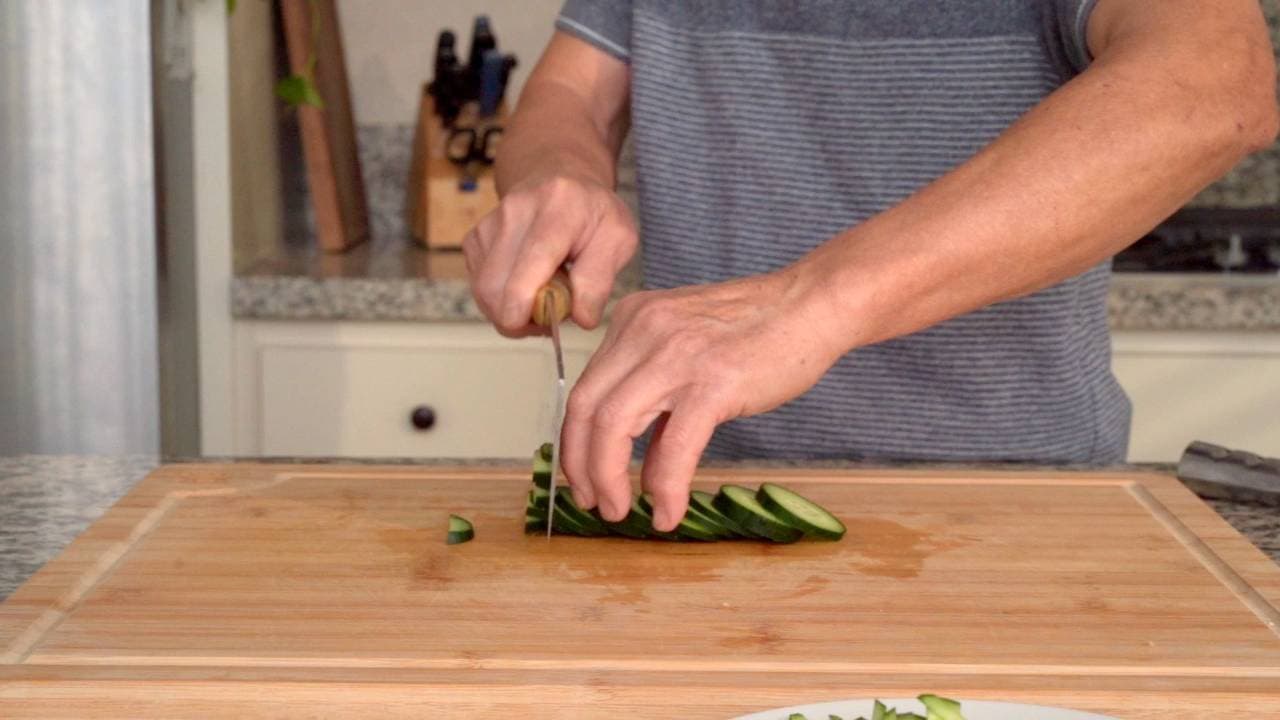
To prepare the broccoli (4 oz), cut away the florets to use for another dish. We only want the crunchy stems for this dish. Trim off any tough, fibrous parts, and then cut the stems into small cubes.
Trim the ends off the celery (5 oz). Cut in half lengthwise, then into cubes.
Cut the carrots (2 oz) in half lengthwise, and then each half into thirds, also lengthwise, to end up with 6 long pieces. Cut those long pieces into cubes.
Cut the green bell pepper (2 oz) in half so you can easily remove the core and seeds. Cut into slices, and then cubes. Repeat with the red bell pepper (2 oz).
Peel the shallots (5 whole), and smash them with the side of your knife. This will help release the flavor!
Smash, peel, and mince the garlic (4 cloves).
The dried chilis (4 whole) will remain whole for this dish, but you can remove the stems now.
In a bowl, combine salt (0.50 tsp), sugar (1 tsp), oyster sauce (we use Kikkoman® Oyster Sauce), light soy sauce (1 tbsp) (we use Kikkoman® Soy Sauce), dark soy sauce (0.50 tsp) (we use Kikkoman® Tamari Soy Sauce) cooking wine (1 tbsp), ground bean sauce (1 tsp), and chili sauce (1 tbsp). Stir well.
In a separate bowl, combine cornstarch (0.50 tbsp) with water (2 tbsp) and mix well. You'll use this to thicken the sauce later, but depending on how thick you like the sauce, you might not end up using all of it.
Heat a wok on medium heat. Add cooking oil (1 tbsp) and let it heat up, then turn the heat to low.
The oil needs to be just hot enough to start frying the peanuts without burning them, so if it starts to ripple and especially if it starts to smoke, let it calm back down first.
Add the peanuts (1 handful) and stir occasionally.
Fry on low heat for about 2 minutes, then take the peanuts out.
They won't be crunchy right away, but once they cool, they'll be very crunchy and crispy.
Use the same wok and keep the oil from frying peanuts. Turn the heat up to high and add more cooking oil (1 tbsp).
When the oil is rippling, give the marinated chicken a quick stir, then add it to the wok. It will start out sticking to the wok, but as the bottom layer cooks, it'll release from the wok. At that point, start flipping and stirring the chicken gently.
Cook for 40-50 seconds, continuing to flip the chicken so that each side of the chicken cubes can evenly cook. Then, scoop the chicken out.
Next, we want to blanch the vegetables to make sure they're the perfect balance between tender and crunchy, and to ensure they maintain a vibrant color. Add water to the wok, about 4 cups or just enough to cover all the vegetables, and cover with a lid to bring it to a boil. Season with salt (0.50 tsp).
When the water has come to a boil, add the vegetables, starting with whichever takes the longest to soften. If you prefer softer vegetables, cook them for longer than our recommended time. If you prefer crunchier vegetables, cook them for less time.
Add the carrots and cook for 30-40 seconds.
Add the celery and broccoli stems and cook for about a minute and a half.
Add the red and green bell peppers and cook for about a minute.
Pull some vegetables out for a quick taste to make sure they're the texture you like, and then remove and drain them.
If you're continuing the recipe immediately and stir-frying them right away, you can leave the blanched vegetables in a colander. If you're stepping away, shock the vegetables in a quick ice bath or in some cold running water to cool them down.
Clean your wok, dry it off, and return it to the stove. Turn the heat to high and add cooking oil (1 tbsp).
Add the dried chili peppers and fry them for a bit to release their flavor. Pull them up the side of the wok to make room, then add the shallots.
If your wok is getting too hot and your aromatics are at risk of burning, you can turn the heat off for a minute, and turn it back on when the wok is no longer overly hot.
Add the garlic and fry for 30 seconds to bring out the fragrance.
Add the cooked chicken back in. If the cooked chicken has released a lot of juice, it's up to you whether to include that or not; if you look at our video, you'll see that my dad does not pour that liquid in.
Give the chicken a quick stir to distribute the aromatics, then add the blanched vegetables. Stir-fry everything on high heat for 30 seconds.
Pour the stir-fry sauce in, then stir to mix and distribute.
After about 30 seconds, add water to the wok to help the chicken absorb the sauce and stay juicy and tender.
Turn the heat to low and give the cornstarch slurry a quick mix, then slowly pour it in while constantly stirring. It will quickly thicken up the liquid to help it become a smooth sauce.
Finally, drizzle sesame oil (1 tbsp) onto the stir-fry and mix it in. Turn the heat off and plate the stir-fry, then sprinkle those crunchy fried peanuts on top. Enjoy!
Frequently Asked Questions
What type of chicken do you use to make Kung Pao Chicken?
Our recipe uses chicken breast because my mom and wife prefer white meat, and my dad loves making them happy! Most restaurants use chicken thigh meat.
You can use whichever one you prefer. Since the chicken meat will be diced either way, there's not really a difference in cooking time or technique.
What vegetables do you add to Kung Pao Chicken?
In our recipe, we use broccoli stems, celery, carrots, and green and red bell peppers. You can use any combination of these, or add other stir-fry-able vegetables in season and in your fridge. You do want non-leafy, hardier vegetables that will keep their shape during the stir-fry.
Denser vegetables benefit from a blanching step before stir-frying, but don't let them sit in the water for too long, or they'll get overly soft and even soggy.
If you want to add summer squashes, or other vegetables that start to release water when you cook them, make sure to cook them hot and quick.
What kind of nuts are in Kung Pao Chicken?
You'll typically see fried peanuts in Kung Pao Chicken. That's what we used in our recipe, too.
The papery skin of the peanuts are nutritious, so we like to keep them on. If you prefer to remove them, soaking the peanuts in water will make the skin very easy to remove.
If you don't have peanuts, cashews and almonds will also provide that lovely crunch!
If you have a peanut allergy or cannot have any nuts at all, you can definitely just omit the nuts altogether. You'll be missing a bit of a crunch, but there are plenty of crispy vegetables in the dish otherwise. If you really need that last fried sprinkle, then you can deep-fry some noodles or add some fried wonton toppings (you know the one!) at the end.
Can you use chili oil to cook Kung Pao Chicken?
Sure! To make sure that the flavor is deep and strong, make sure to include the chili oil solids and not simply the oil itself. You may want to adjust the amount of oil so your final dish is not too greasy.
How do you make low-sodium Kung Pao Chicken?
There are three easy ways to reduce the sodium of a dish or recipe:
Use low-sodium versions of the sauces, like oyster sauce and soy sauce. Effect on flavor? Depends on your bottles of low-sodium sauces. Some brands dilute their soy sauces with water to make them low-sodium. Others, like Kikkoman®, reduce the sodium from their soy sauce prior to the brewing process, resulting in a low sodium soy sauce that does not compromise on flavor.
Reduce the amount of each sauce. Use less than our noted amount salt, oyster sauce, and soy sauce. Effect on flavor? The flavor will be muted by however much you reduce the seasonings by.
Make the recipe as is, but consume a little less of the dish. Effect on flavor? None, but it will test your self-control!
Pairs well with
View all →
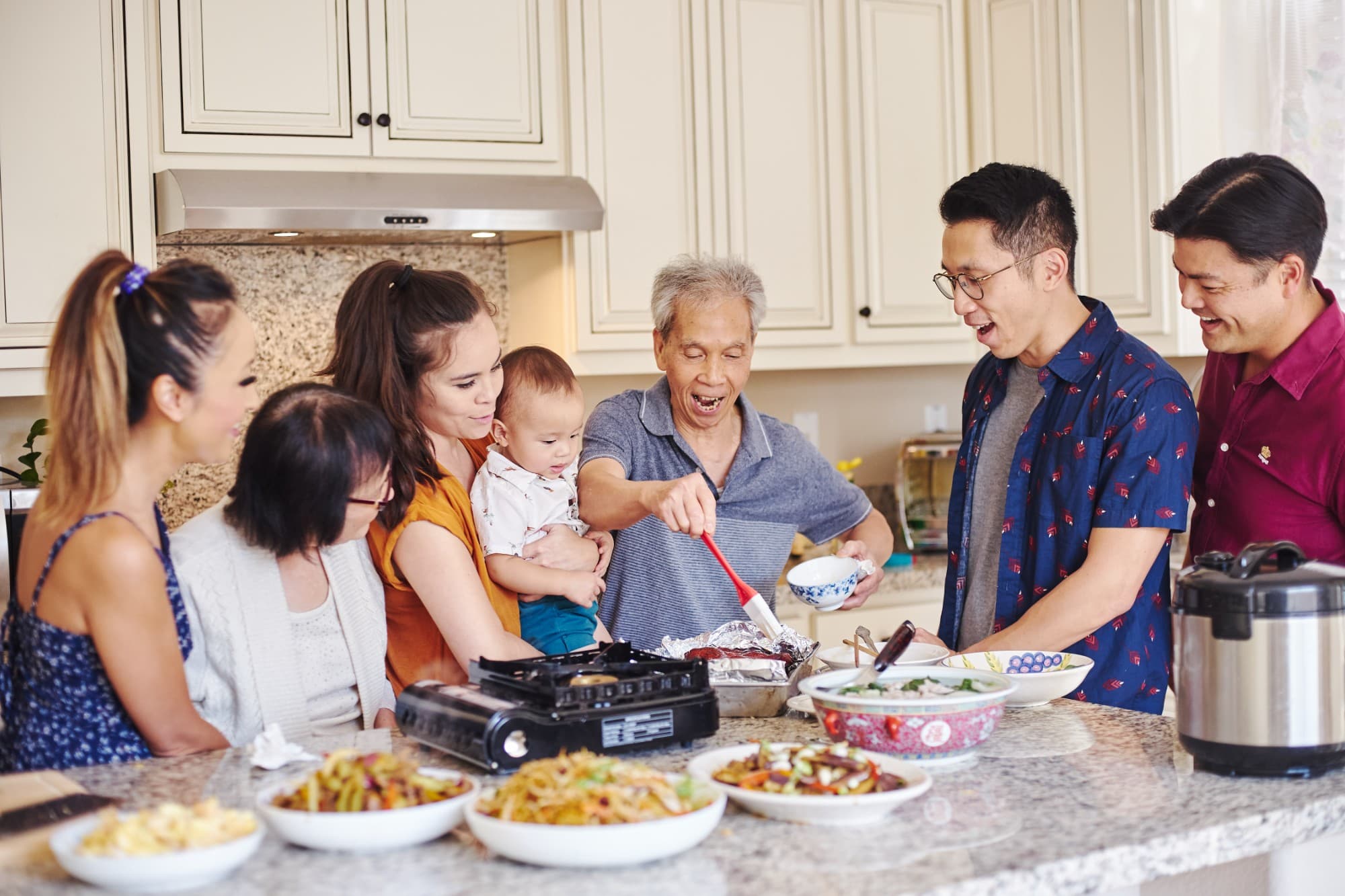
Made with love ❤️
We started Made With Lau to celebrate Cantonese culture and honor the legacy of our wonderful parents, Jenny and Chung Sun Lau.
Our hope is that these recipes and stories help you spread the joy, love, and nostalgia that I felt growing up.