Steamed Rice
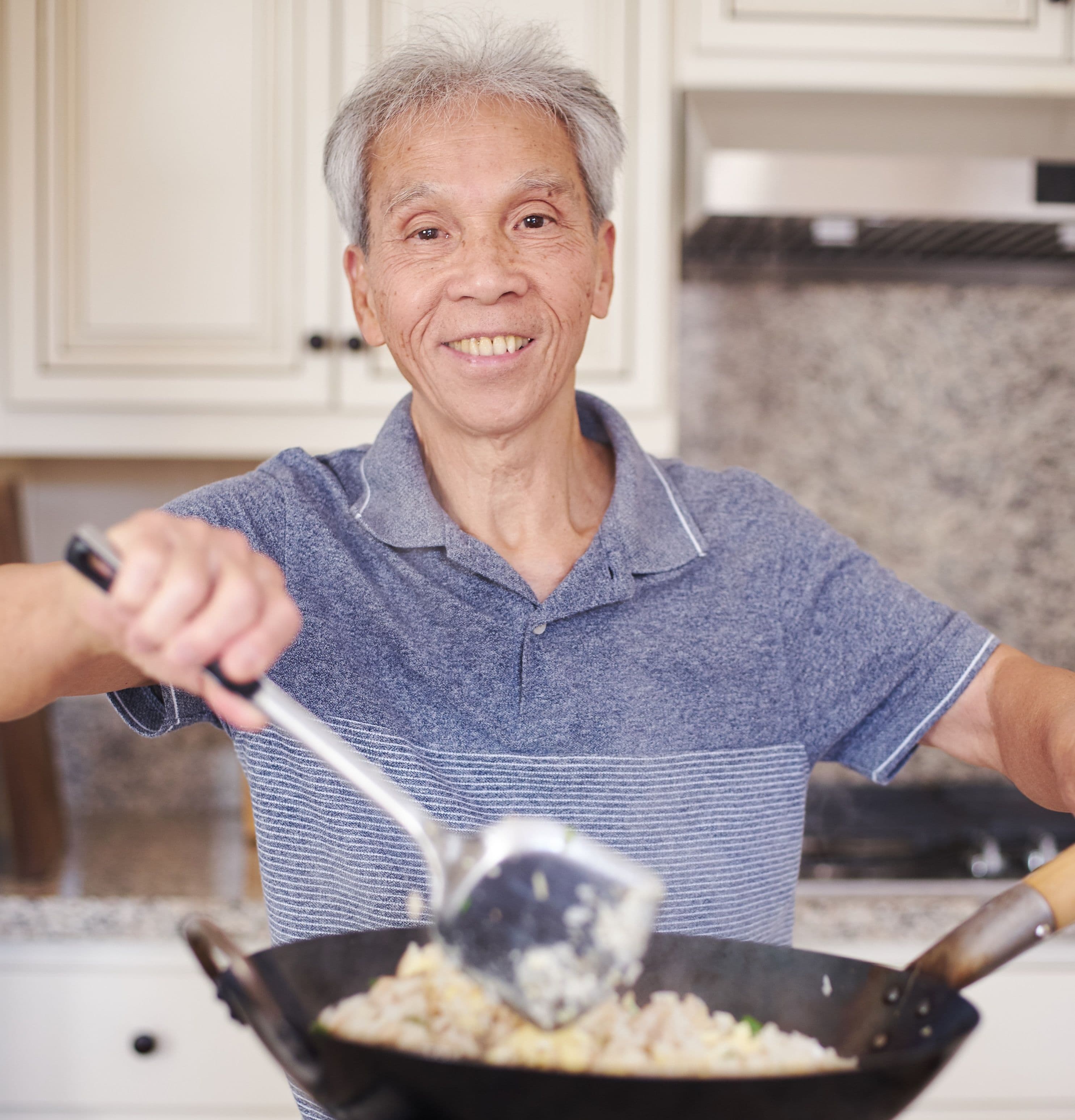
Follow these tips and tricks for perfectly fluffy rice every time.

Cooking Summary
Ingredients: (detailed list)
- uncooked jasmine rice, water
Jump To Section
Overview
As a restaurant chef, my dad has made countless pots of rice. Whether the grains are served alongside our favorite entrees or used as an ingredient, it's hands-down one of the most important dishes to know in Chinese cuisine.
Cooking perfect rice may seem like simple task, but it's surprisingly easy to mess up. Using the wrong amount of time, using the incorrect water to rice ratio... there are many issues that can make rice mushy and sticky. My dad has perfected his technique and has five top tips for how to cook white rice so it's fluffy and fragrant every time.
1. Invest in a rice cooker
You don't need a state-of-the-art appliance to make good rice in a rice cooker. There are models out there that are quite affordable. It's my dad's preferred tool of choice because a rice cooker is reliable. It not only delivers consistently fluffy rice, but it's also easy and convenient to use since you don't need to constantly keep an eye on it.
2. Opt for Thai jasmine rice
Thai jasmine rice is the grain of choice in the Lau household. Its texture, aroma and versatility are unmatched, especially for Cantonese cuisine. According to my dad, it has a nice tender texture that works well with everything. You can find different brands at both American and Asian supermarkets — we recommend choosing a Thai brand if available:
3. Wash the rice
My dad washes rice to clean it and not because it makes a difference in the texture, as many believe it does.
4. Use a 1:1 rice-to-water ratio
After decades of cooking, my dad has found that a 1:1 ratio of rice-to-water creates the ideal balance of grain-to-liquid. It works specifically when cooking Thai jasmine rice in a rice cooker and may not be applicable to other varieties and cooking methods.
5. Fluff the rice
Always fluff your rice once it's done cooking. This releases excess steam and prevents the rice from getting too sticky and clumping up.
Chef's Tip: My dad prefers to use chopsticks, since the gap between the two gives you more control and makes it easier to fluff.
Ways to use rice
A perfect bowl of white rice is great with saucy main dishes such as Beef and Broccoli, Spare Ribs with Black Bean Sauce and Steamed Salmon. You also need cooked white rice for classic Chinese recipes, such as:
These links are affiliate links, which means that if you use our links to purchase these ingredients, Amazon pays my family a small amount for the sale - at no extra cost to you. If you use these links, we really appreciate the support!
Why this recipe
Most steamed rice recipes online are tested only a handful of times. My dad used to make this dish multiple times a day, every day, for 60+ years and can make this in his sleep.
I know you'll love it as much as our community does! This recipe has over 113.6K views, 2.1K likes on YouTube.
Ingredients
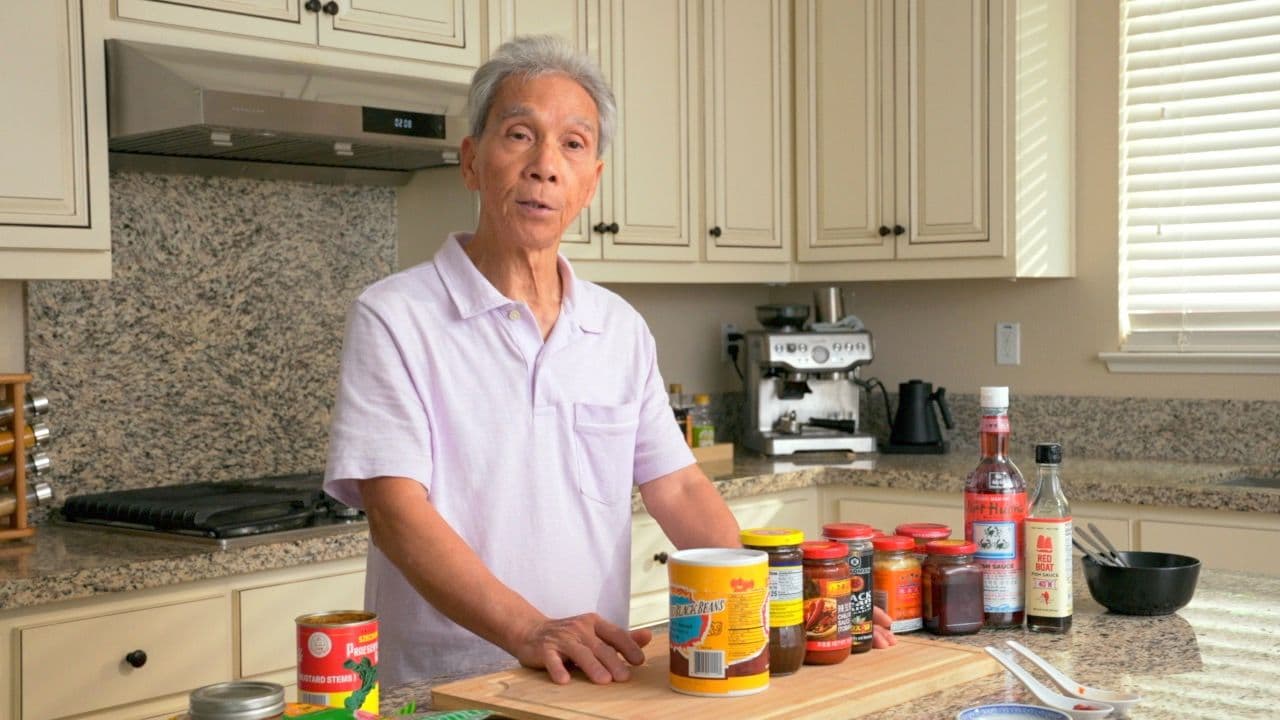
On the finger/knuckle method
A lot of home cooks swear by the finger/knuckle method when making rice, but it's not my dad's preferred technique. Everyone's fingers are different so it requires a bit of trial and error to figure out where exactly you need to fill the water up to.
On saving hard rice
Unfortunately, there's no way to rescue rice that's too soft, but if the grains are still too hard, my dad recommends pouring 1/2 cup of hot water along the side of the pot and cooking it one more time.
How to make Steamed Rice
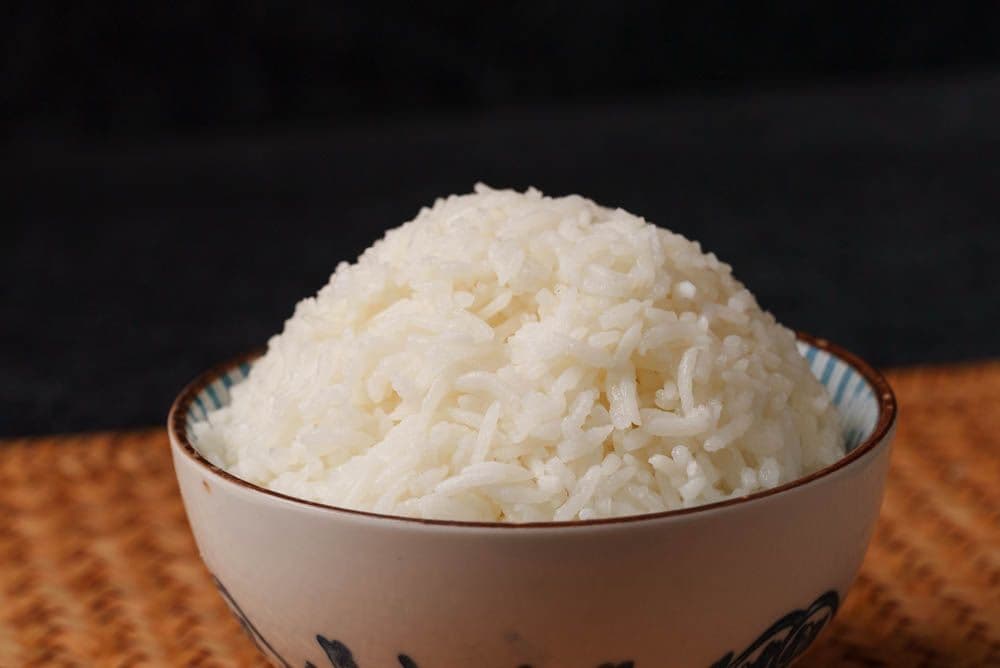
Place the rice (3 cups) in a large bowl. Add enough water to fully submerge the grains.
Use your fingers to grab handfuls and lightly squeeze, then agitate. This will help get rid of any dust and debris that has accumulated during the production process. Pour out the water.
Repeat two more times.
Add the clean and drained rice to the inner pot of a rice cooker. Pour in the water (3¼ cups). My dad typically uses a 1:1 ratio of rice-to-water, but since we usually eat with babies and young kids, he adds an additional 1/4 cup to make the grains extra tender.
You can also follow the measurement marks on the inner pot of the rice cooker.
Use a dry towel to wipe down the bottom of the pot. Place the pot into the rice cooker with the measurement marks facing the front and close the lid. Select the jasmine rice setting.
Once the rice is done, let it sit for 2 additional minutes to allow the steam to settle. Open the lid and using a rice paddle or chopsticks, fluff the rice for about 1 minute.
Chef's Tip: Scoop the rice from around the sides and from the bottom. The rice at the bottom of the pot is usually more tender than the grains on top. Avoid using metal utensils when scooping as that can damage the nonstick surface of the inner pot.
Top 3 Mistakes
- Guessing the rice water ratio:
Measure the water for the rice variety you are cooking. Too much liquid makes the grains starchy and gummy, so follow the jasmine-rice guidance rather than filling the pot by guesswork.
- Skipping the short rice rest:
Let the cooked rice sit briefly before opening and fluffing it. The recipe gives the steam time to settle, rather than having you lift the lid and scoop rice out immediately.
- Fluffing only the top grains:
Use a rice paddle or chopsticks to lift rice from the bottom and sides as well as the top. This mixes the softer lower grains through the batch instead of leaving layers untouched.
Frequently Asked Questions
How do you keep rice from drying out in the fridge?
Place the rice in an airtight, sealed container or cover with plastic wrap. This keeps the moisture inside. The rice will still feel hard, but it'll soften once you reheat it.
What is the best method for cooking rice?
A rice cooker is best for convenience and consistency. You don't need to watch it and worry about i t boiling over. Cooking rice on the stovetop, however, yields a more fragrant, aromatic rice. If you're looking for the best flavor, then opt for the stovetop, which will give you crispy scorched rice from cooking over a direct flame.
Why is my rice mushy?
Mushy rice means the grains were cooked in too much water. Rice is super absorbent and it'll get starchy and gummy when you use the wrong grain-to-water ratio. When cooking jasmine rice, my dad opts for a 1:1 ratio that yields fluffy, tender grains.
Pairs well with
View all →

Made with love ❤️
We started Made With Lau to celebrate Cantonese culture and honor the legacy of our wonderful parents, Jenny and Chung Sun Lau.
Our hope is that these recipes and stories help you spread the joy, love, and nostalgia that I felt growing up.