
The Beef and Broccoli My Dad's Made 100,000 Times
Why this recipe
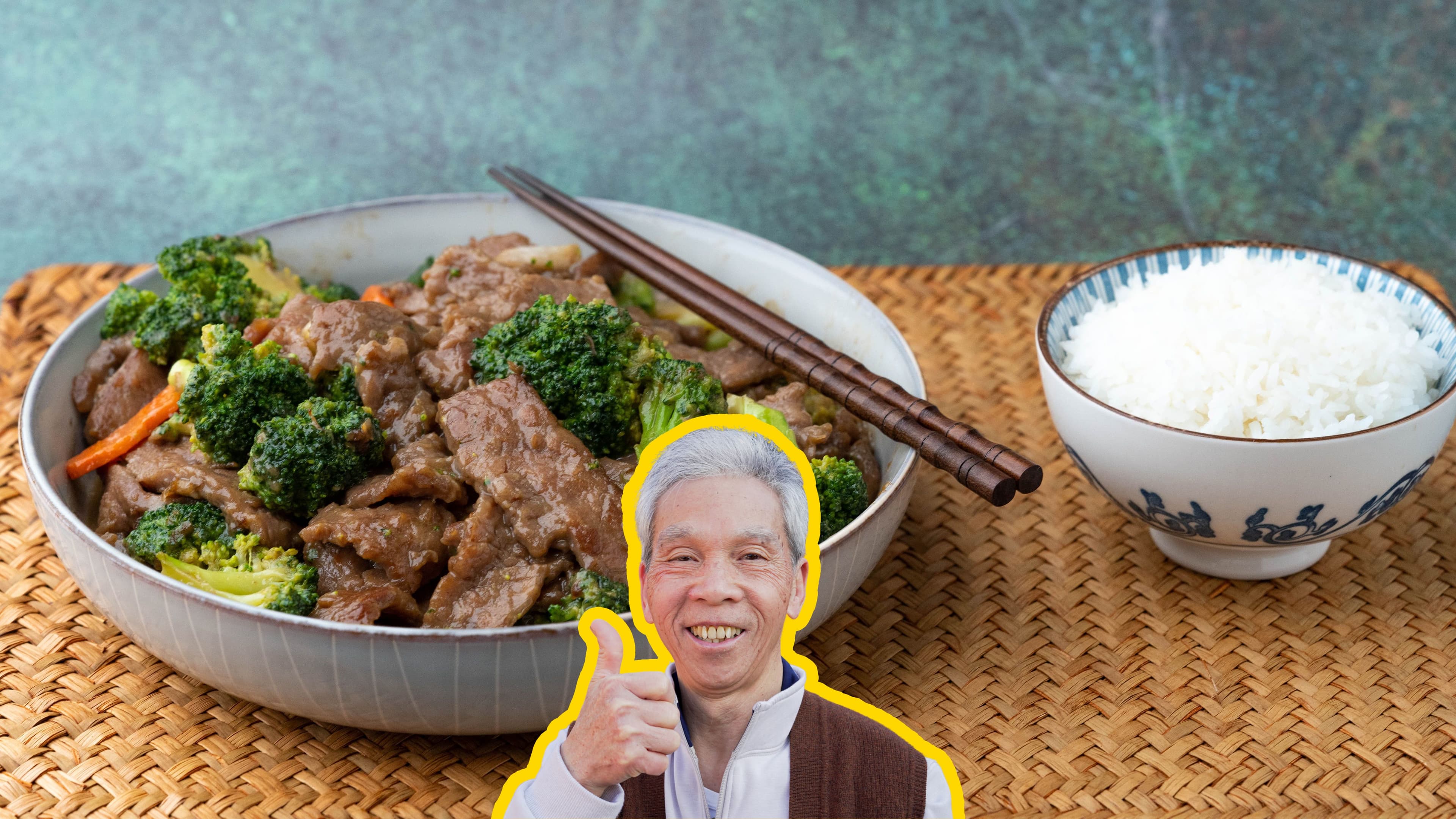
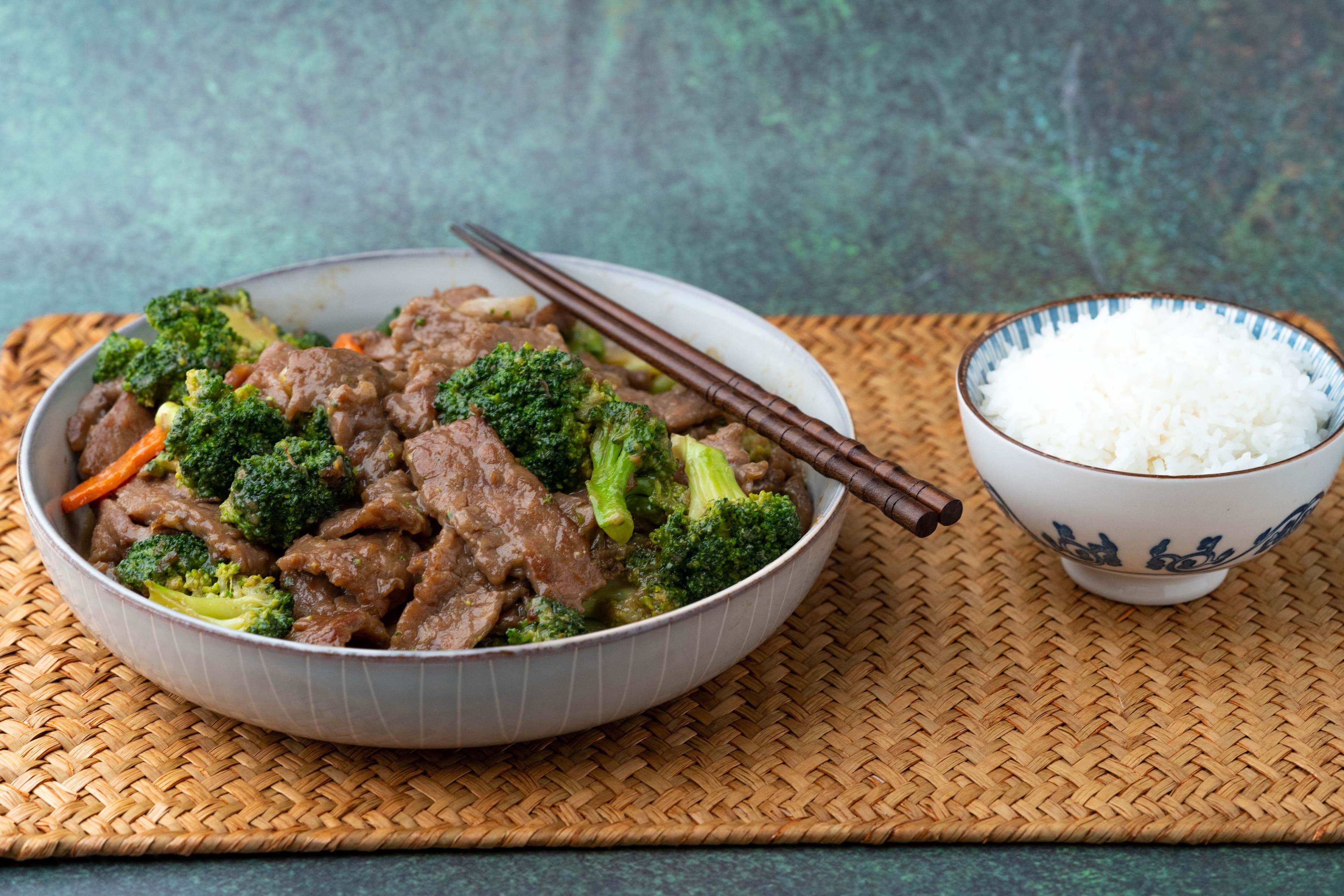
Most beef and broccoli recipes online are tested only a handful of times. My dad used to make this dish multiple times a day, every day, for 60+ years and can make this in his sleep.
I know you'll love it as much as our community does! This recipe has over 1.4M views, 27.8K likes on YouTube.
Beef and broccoli is believed to originate from a Chinese dish called "Gai Lan Chao Niu Rou" (芥兰炒牛肉), also known as Chinese broccoli fried beef. Early Chinese immigrants could not find gai lan, a Chinese variant of broccoli, in the U.S. and so the broccoli that we know today became an easy substitute.
Thank you, Kikkoman!
This recipe is brought to you in part by Kikkoman. My dad has been using Kikkoman flavors throughout his 50-year career as a chef, and it's a privilege to get to partner with them on such an iconic recipe, Beef Chow Fun with Gravy!
- Kikkoman products are a major flavor enhancer and bring out the “umami” taste, and help balance and round out flavors
- Kikkoman® Less Sodium Soy Sauce is perfect for home cooks who are looking to cut down on their sodium levels, without sacrificing flavor
- Kikkoman offers a wide range of Gluten-Free Asian sauces, including Gluten-Free Oyster Sauce and Gluten-Free Hoisin Sauce
- The KikkomanUSA.com Chinese site offers easy Asian recipes that home cooks can enjoy any night of the week
You can learn more about Kikkoman and follow them on social media here:
- Website: https://www.KikkomanUSA.com
- Facebook: https://www.facebook.com/KikkomanChineseUSA (Kikkoman 萬字在美)
- Instagram: https://www.instagram.com/kikkomanusa_chinese/ (Kikkoman 萬字在美)
The origins of beef and broccoli
The story goes that the first versions of a beef and broccoli stir fry were prepared by Chinese immigrants who had settled in San Francisco sometime after the 1920s, when broccoli was introduced by immigrants from Messina. Nowadays, this dish is a staple of Chinese cuisine around the world.
Broccoli in Cantonese is sāi gaai làahn, which ironically in English, means "western Chinese broccoli." Since early Chinese immigrants couldn't find gai lan in the US, broccoli became an easy alternative.
Fun fact: Broccoli became popular in the U.S. around that time as well! Over time, this recipe became popular all around the world for its combination of tender beef with nutritious broccoli.
Using my dad's recipe, you can learn how to make beef and broccoli in your own kitchen at the same level as your favorite Chinese restaurant.
The most flavorful beef and broccoli sauce
Our recipe for beef and broccoli sauce includes oyster sauce, light and dark soy sauce, water, cooking wine, cornstarch, sugar, and white pepper. Don't forget that you also need to marinate the beef separately in baking soda, oyster sauce, light soy sauce, water, cornstarch, white pepper, sugar, and cooking wine, which adds both flavor and texture.
An expert Chinese chef’s tips for the most tender beef
There are a few techniques that my dad uses to ensure the beef has the best texture.
For max juiciness:
- Don't neglect the water in the marinade.
- Cook it hot and fast, before the moisture has a chance to cook out.
For max tenderness:
- Cut against the grain of the beef.
- Don't neglect the baking soda, cornstarch, and cooking wine in the marinade.
- Add oil to the meat right before stir-frying.
Our secret to a perfect beef and broccoli stir fry
One of the trickiest things of stir fry cooking, whether you’re making this one or others such as our rainbow chicken stir fry, is how to keep it from getting watery. There are two common reasons you might be getting a puddle of watery sauce.
First, remember that cornstarch goes into both the beef marinade and the sauce mix. It's a crucial thickening ingredient that makes the sauce stick. Also, the broccoli will flood your dish with water if you neglect to drain it properly before stir frying it. We usually boil the broccoli for about 2 minutes, until it's perfectly bright green, then have it sit in a strainer or colander until it's time for its re-entrance.
Pairs well with
View all →
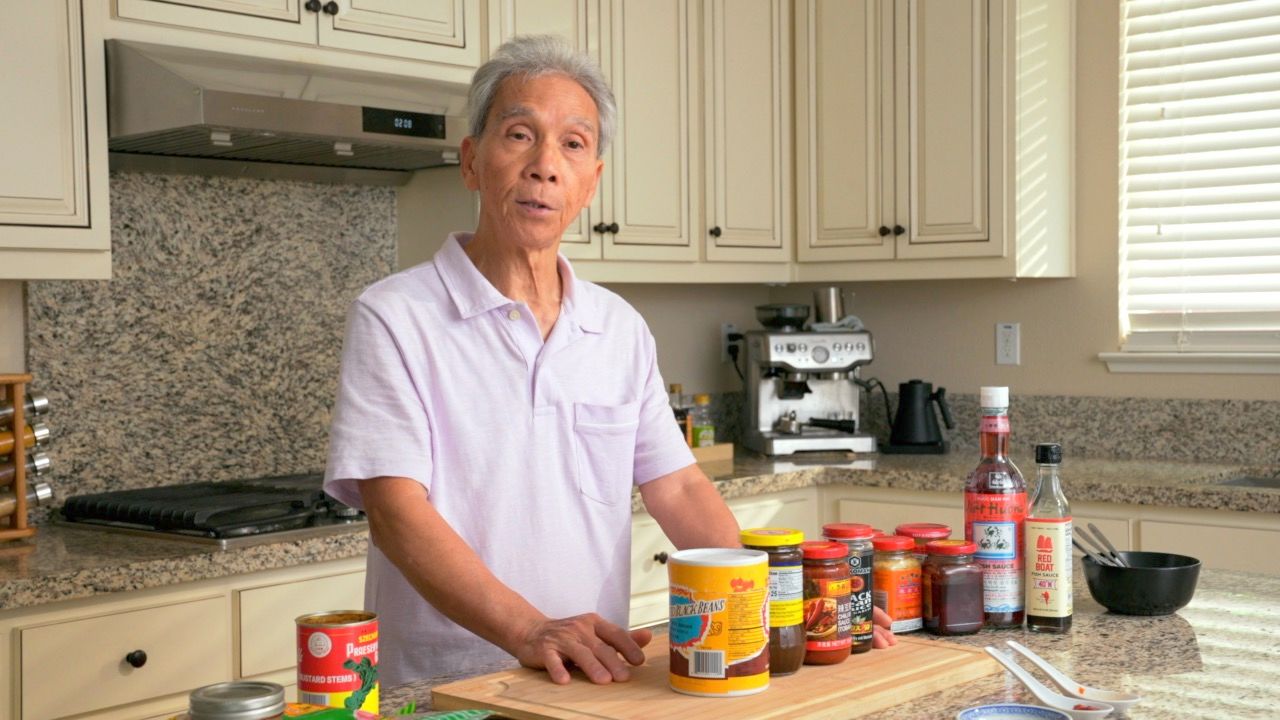
Ingredients
Instructions
Cut and wash beef
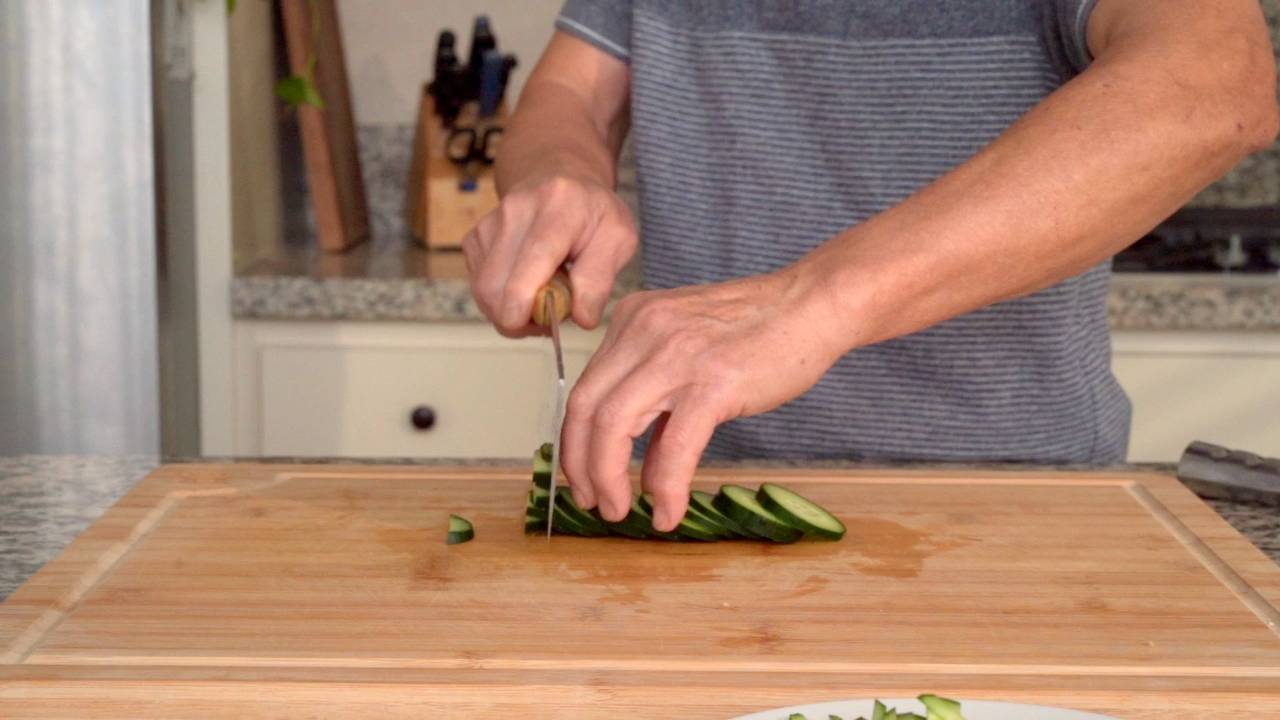
Find the grains of the beef (12 oz) and cut against it. Do not cut the beef too thinly because thin meat will break easily during the cooking process.
Place the meat in the bowl of water to wash the blood from the meat. To make this go faster, massage the meat in water. Once washing is completed, place the meat in a strainer to strain excess water and blood.
If you skip this step, the meat would turn black from the blood and not look appetizing.
Prepare beef marinade
Adding baking soda to meat is a common technique in Chinese cooking. It helps tenderize the beef. Depending on the weight of the meat, you will need to adjust the amount of baking soda. In this case, add baking soda (1 tsp), oyster sauce, light soy sauce, water (2 tbsp), cornstarch, white pepper, sugar, and cooking wine.
Mix until incorporated.
Mix beef into marinade
Add the beef (12 oz) to the marinade and massage to have the meat fully covered with the marinade. Set aside and let it sit for 30 mins.
Cut broccoli and vegetables
Now move onto the broccoli (1 lb) and cut it into bite-size pieces. Make sure to separate the large main stem for easier cooking.
Cut the carrot into thin slivers for a more colorful presentation. Chinese restaurants tend to cut the carrots into little shapes to bring a more visual impact, but feel free to keep it simple here.
Cut the ginger (1 small piece) into small cubes. A few slices will be sufficient.
Cut scallions (1 stem) into small pieces on a diagonal.
And mince the garlic (2 cloves).
Make sauce
In a small bowl, mix together the oyster sauce (1 tbsp), light soy sauce (1 tsp), dark soy sauce (1 tsp), water (1 tbsp), cooking wine (1 tbsp), sugar (1 tsp), cornstarch (1 tsp), and white pepper (0.25 tsp).
Boil broccoli
In a medium pot, bring the water to a boil and add a splash of oil and a generous pinch of salt (1 pinch). This helps to keep the broccoli green during cooking.
Add the broccoli to the boiling water and cook it to your preference. Do not cook it for too long if you like a crunchier texture. If you like a softer texture, you can cook it for a longer period of time. For reference, we cooked it for about 2 minutes.
Once cooked, drain the broccoli. If you aren't going to stir fry them immediately after, cool them with running water. Otherwise, you don't have to.
Cook beef
Add some cooking oil (1 tbsp) into the marinated beef and mix until all the meat is lightly coated in oil. This will seal in the juices of the meat.
Heat up the wok to the highest heat, then add cooking oil (2 tbsp). Swirl the cooking oil around the wok to fully coat the bottom and sides. Pour out the excess oil.
Slowly lower the heat and put in the meat. Cook the beef for around 30 to 60 seconds, or when it turns brown, which is your cue to flip.
Flip the beef and cook it for 60 to 90 seconds or until it's mostly brown. It's fine if it's a little red, because we will continue to cook it with the vegetables.
Once mostly cooked, turn off the heat and take the meat out from the wok. Set aside.
Stir fry vegetables and beef
Add the remaining oil and stir-fry the sides.
Add the garlic (2 cloves) and ginger (1 small piece) first and fry for 20 to 30 seconds. Put in the scallions (1 stem) and carrot slices and cook for another 20 to 30 seconds. Once cooked, add the broccoli (1 lb). Cook for another 30 to 40 seconds.
Add back the beef. Cook everything together for 30 to 45 seconds.
Because the broccoli absorbs a lot of liquid, you can add extra water to the sauce. We suggest 1 tbsp if needed.
Add sauce and stir fry everything
Add the sauce to the stir fry and constantly mix for about 1 minute. Add sesame oil (1 tsp). Once everything is incorporated, add a little more leftover oil to coat the broccoli — it will make it look very appetizing.
This optional last bit of finishing oil is called 'mei jau' pronounced "may-yao." This is usually practiced in restaurants.
Taste test and plate
Taste to adjust the flavors and plate once it's to your taste! This is usually served at the center of the table and everyone can take the amount they want.
Made with love ❤️
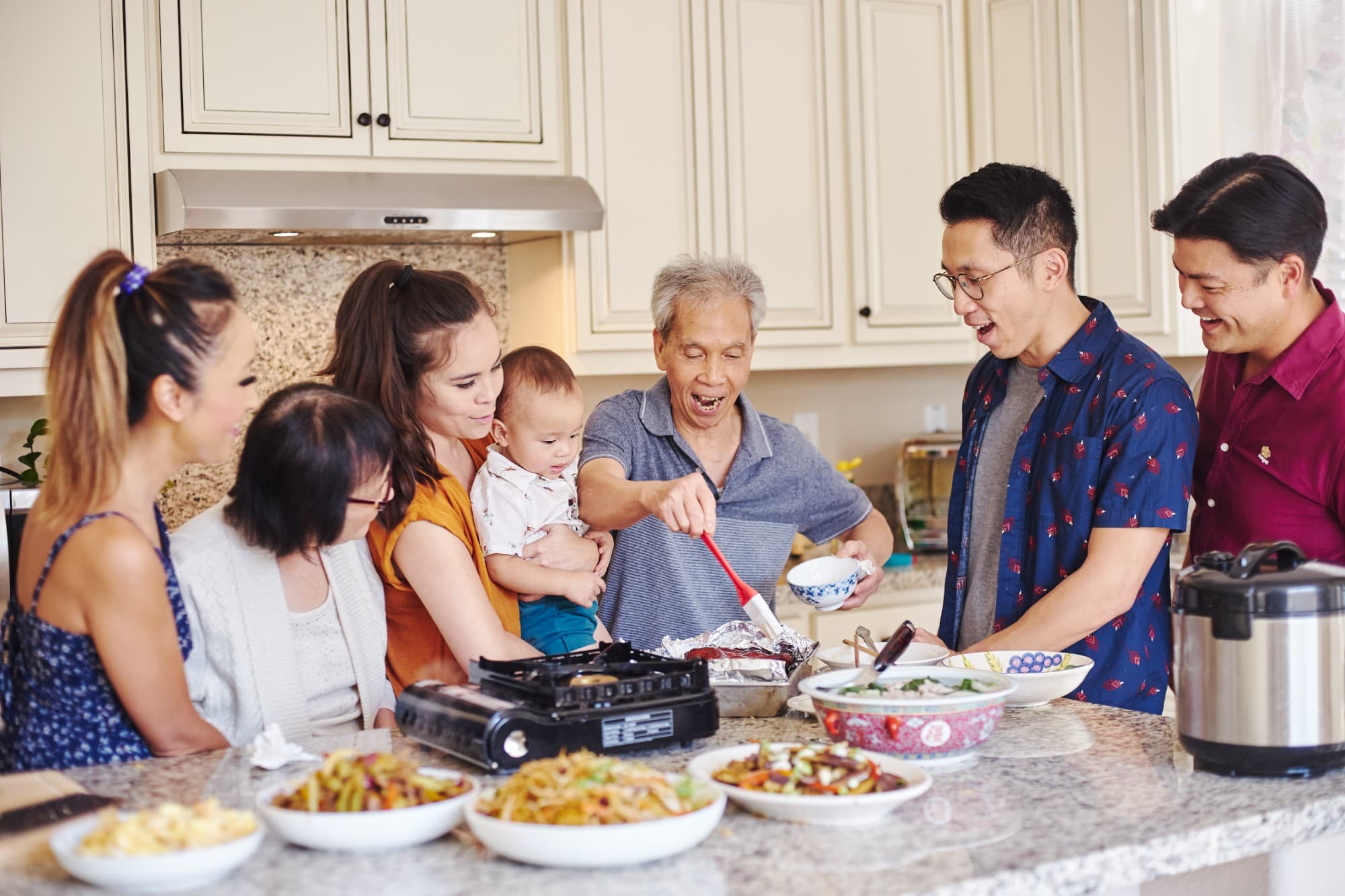
We started Made With Lau to celebrate Cantonese culture and honor the legacy of our wonderful parents, Jenny and Chung Sun Lau.
Our hope is that these recipes and stories help you spread the joy, love, and nostalgia that I felt growing up.
