Steamed Spare Ribs with Black Bean Sauce
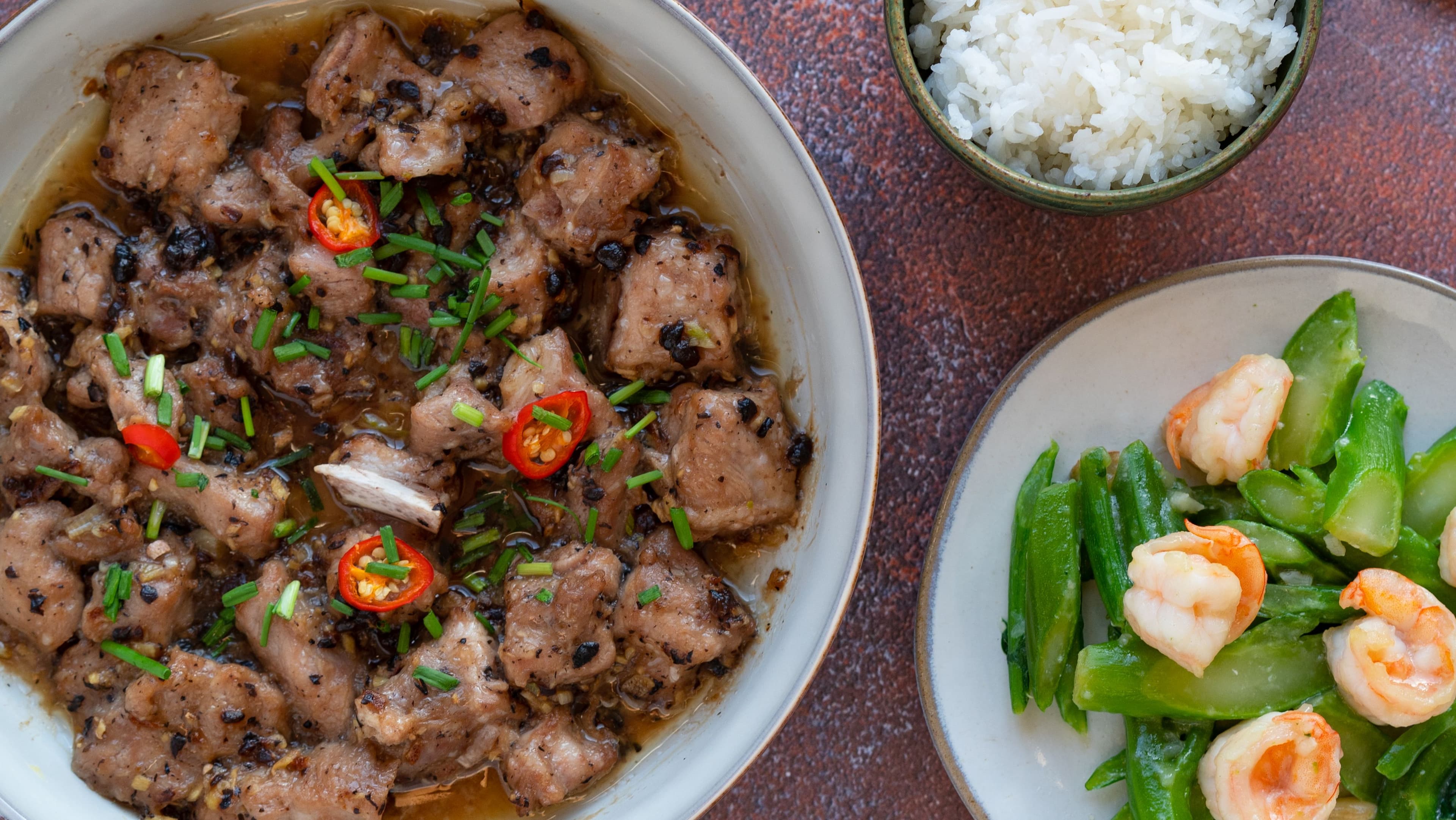
An authentic homestyle version of the classic dim sum dish.

Cooking Summary
Ingredients: (detailed list)
- Main Ingredients: dried fermented black bean, dried mandarin orange peel, spare ribs, cornstarch, red chili pepper, scallions, vegetable oil
- Marinade Ingredients: salt, sugar, light soy sauce, oyster sauce, Shaoxing wine, garlic, ginger, sesame oil, cornstarch
Steps:
Jump To Section
Overview
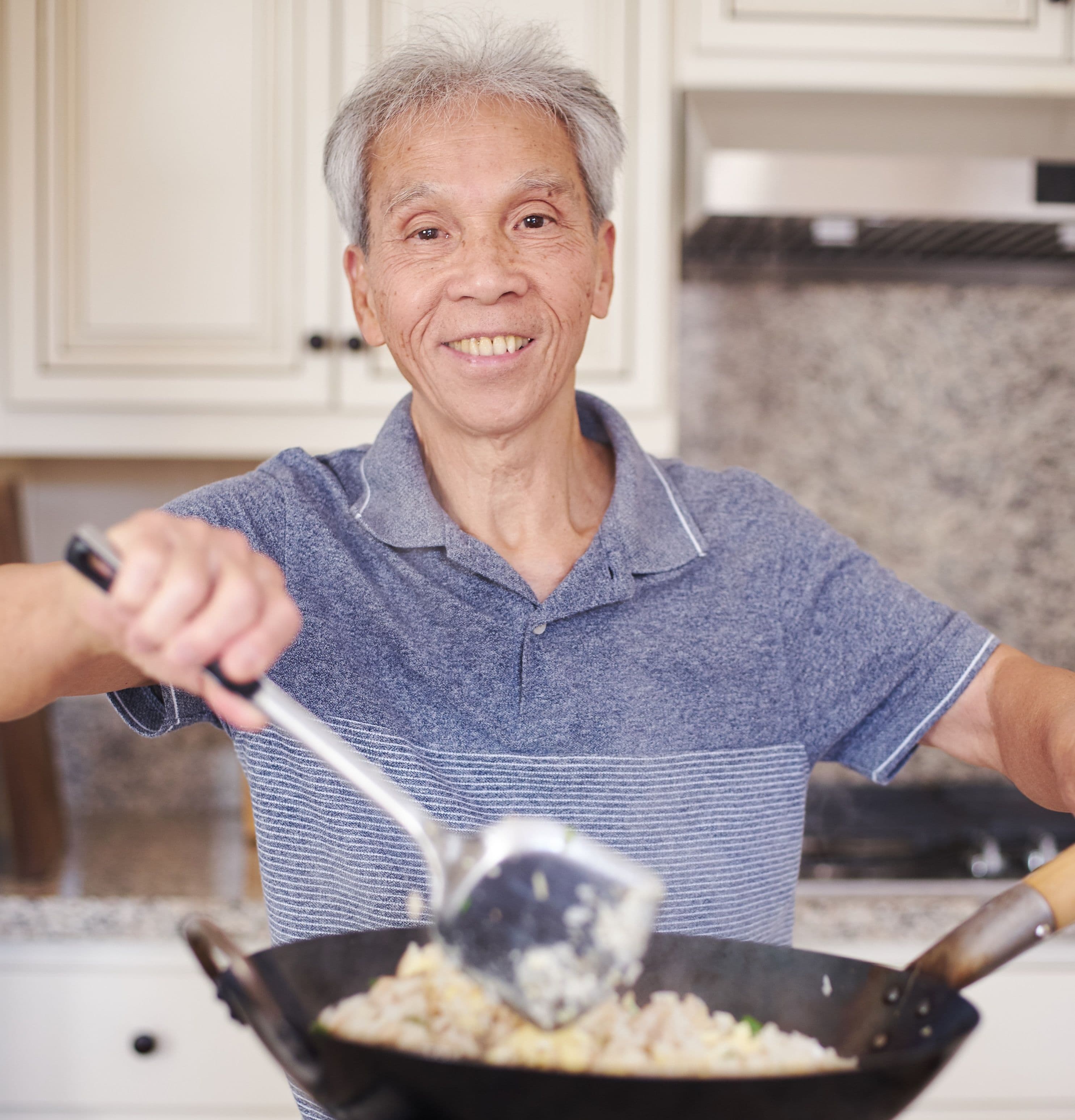
I feel like my dad makes steamed spare ribs (aka "pàaih gwāt" in Canto) for us at least once a month at home, and I can't even begin to imagine or count how many times he's made it over his career as a chef.
Steamed spare ribs is a classic dim sum dish, and actually one of the easier dim sum recipes to recreate for your loved ones at home.
Before we get into the recipe, you might enjoy these interesting tidbits about our beloved pastime — dim sum — and our favorite dish.
Dim Sum: A Touch of Heart
The way "dim sum" is pronounced in English is very similar to its Cantonese pronunciation, "dím sām," which roughly translates to "a touch of heart."
The characters are a reference to the sweet and savory snacks that 10th century teahouses in Guangzhou served to traveling merchants the large international port as part of their journey along the Silk Road.
Dim sum is widely considered a Cantonese delicacy, but it evolved from a wide range of influences, since Guangzhou was and still is a critical multicultural hub for Chinese trade.
How to make black bean sauce like a Chinese chef
We don't recommend using pre-mixed or pre-made black bean sauce because they may include additives and preservatives that you're not familiar with, and making your own is so easy!
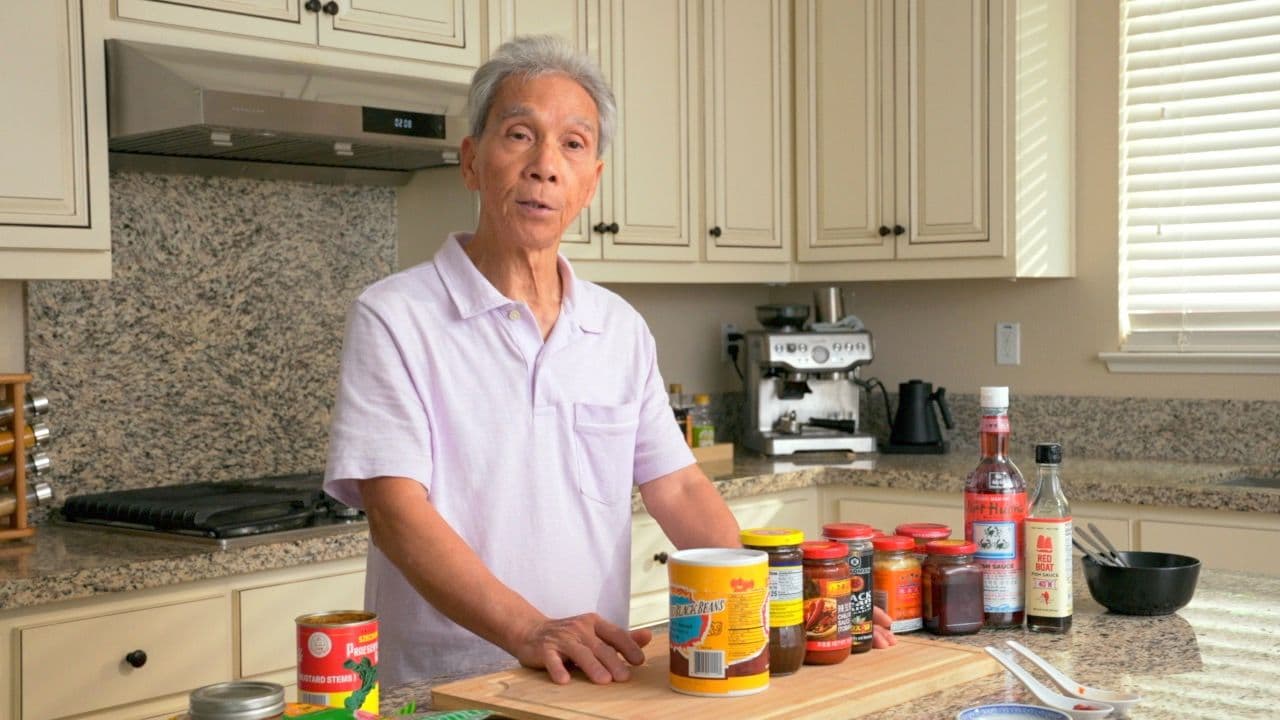
Our recipe for black bean sauce calls for salt, sugar, light soy sauce, oyster sauce, Shaoxing wine, garlic, ginger, rehydrated mandarin orange peel, cornstarch, sesame oil, and of course, black beans. We also have red chili pepper and green onion for garnish on top.
Check the ingredient list above to see precise amounts, and how to mix them into the spare ribs. Don't forget that you can scale the recipe up and down!
Why this recipe
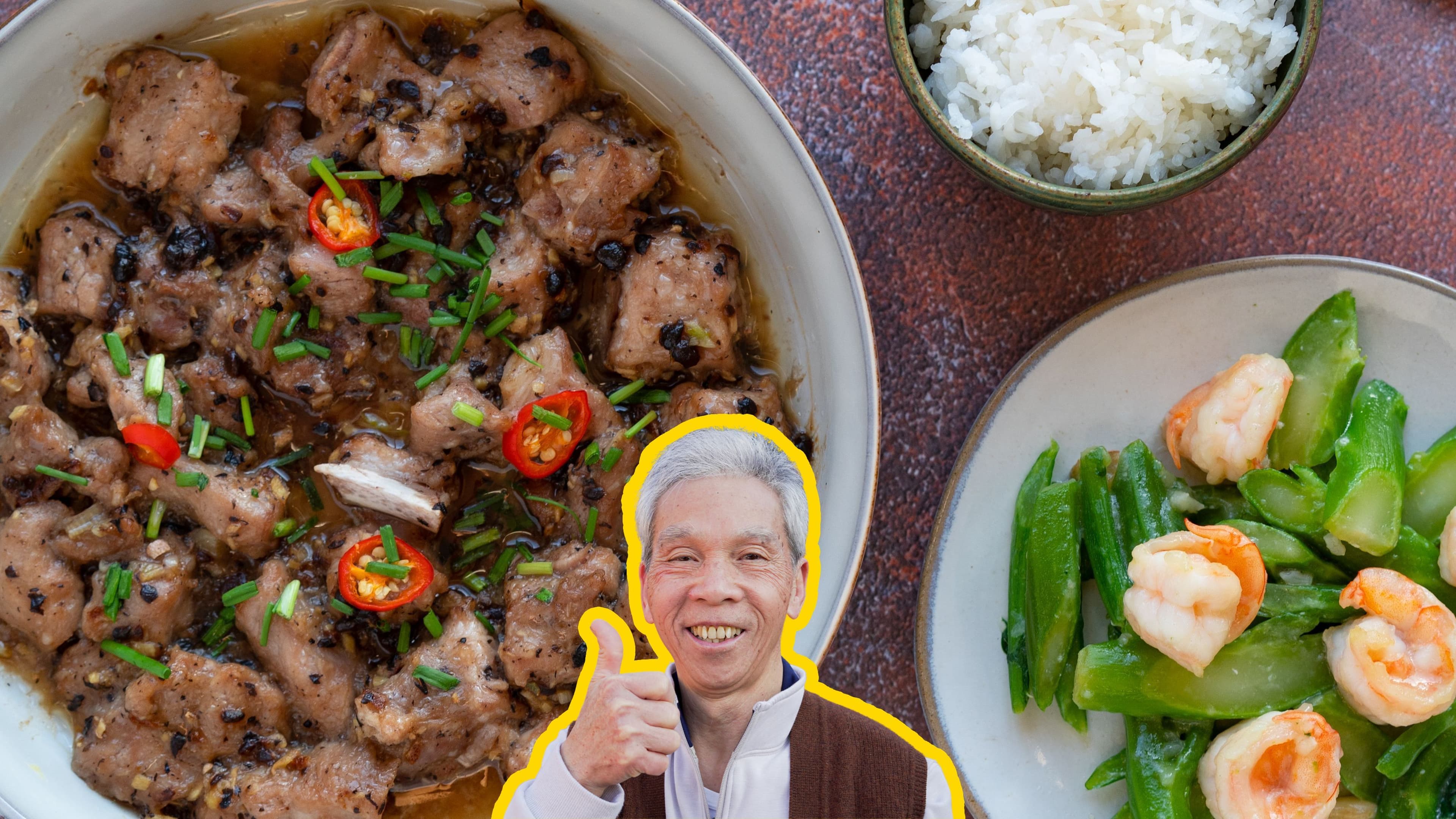
Most steamed spare ribs with black bean sauce recipes online are tested only a handful of times. My dad used to make this dish multiple times a day, every day, for 60+ years and can make this in his sleep.
I know you'll love it as much as our community does! This recipe has over 1M views, 16.8K likes on YouTube.
Ingredients
Tips for selecting and preparing spare ribs
Some grocery stores have pre-cut ribs that are already cut across the bone.
If they don't sell pre-cut ribs, you can get St. Louis-style ribs, and ask the butcher to cut across the bones for you so you end up with long strips with short rib sections. Then, cut into small cubes so each piece has a short rib through it. That way, they will cook evenly and be in easy-to-eat sizes.
My dad says it's better to select ribs towards the tail-end of the pig, as these tend to be less fatty. In a steamed dish like our Spare Ribs with Black Bean Sauce, using fatty ribs may result in an overly greasy, heavy dish. Generally, we like steamed dishes to not feel so heavy on the tongue or harsh on the stomach. Ask your butcher for tail-end ribs!
Why do we rinse spare ribs in water?
Dim sum restaurants typically serve spare ribs that are traditionally light in color, unlike the smoky, charred look of American BBQ ribs.
This is meant to entice customers to order lots and lots of spare ribs from the carts of delicious foods, like siu mai. The way they get this pale color is to first rinse the ribs in water for an extended amount of time.
We talk about this in our video, but restaurants will use huge buckets or washing machines to rinse and dry large batches of spare ribs. Our friends over at Chinese Cooking Demystified have a great video on this.
Rinsing also helps wash away some of the bloody taste, but know that the longer you rinse, the more likely you’re also removing some of the nutritious elements, like iron.
Why are spare ribs red?
You may think that the red juice that leaks out from meat is blood, but that’s actually a common misconception. Usually by the time we buy meat at the market or butcher shop, the blood has already been drained out. The remaining red liquid is actually a result of freezing the meat during transport.
When frozen, the water that’s inside the meat expands into ice crystals, which rupture the muscle cells. As that ice thaws, it carries some myoglobin with it. Myoglobin is an iron-rich protein that turns bright red when it’s exposed to oxygen. The purpose of myoglobin is to store extra oxygen in muscles that are used for extended periods of time.
While pork is light in color, it’s actually considered a red meat because it has more myoglobin than a white meat like chicken. Pigs and cows, what we all know as red meat, stand and roam almost all day. In contrast, fish meat is mostly white, with some red meat around the fins and tail, because they float in water and aren’t constantly using the bulk of their muscles.
Sources:
Key seasonings for classic Chinese spare ribs
Just to highlight some key ingredients, spare ribs are usually made with "dauh sih" 豆豉, or black fermented soy beans. My dad’s Cantonese spare ribs also calls for a dash of red chili peppers and a peel from his stash of dried mandarin orange skins, which are both optional but will give your spare ribs a unique zest.
Fermented black beans
Black beans have been an important commodity in Chinese culture for thousands of years, dating back to at least the Han Dynasty when archaeologists found a huge stockpile of preserved beans in a noblewoman’s tomb.
It used to be a rare ingredient, but nowadays you can find them at most Asian grocery stores. If you don't have easy access to an Asian supermarket, here's the brand my dad uses on Amazon.
Mandarin orange peels
Also known as "chenpi," this is a fragrant ingredient in Chinese cooking and medicine, believed to regulate our chi.
My dad uses these for a lot of dishes outside of steamed spare ribs, including soups, steamed fish, medicines, etc. He has a huge stockpile that he's been building for over 15 years.
According to my dad, the district of Xinhui in China makes the best damn peels the world has ever seen. This is their biggest export and a large economic driver for the famous district.
If you like eating mandarin oranges, you can just save the peels and leave them outside to dry in the sun for 2 to 3 days. They should snap in half pretty easily when dry. Store them in a bag in a cool, dry place.
Finding Asian ingredients
As we mentioned, some of these ingredients can be hard to find in a typical grocery store.
If you don't live near an Asian market, most or all of what my dad uses in this recipe can be found on Amazon:
- Kikkoman Sesame Oil - https://geni.us/kkmsesameoil
- Kikkoman Soy Sauce - https://geni.us/kkmsoysauce
- Kikkoman Oyster Sauce - https://link.amazon/B0fXCd4PD
- Shaoxing Cooking Wine
- Dried Orange Peels
- Yang Jiang Preserved Black Beans
These links are affiliate links, which means that if you use our links to purchase these ingredients, Amazon pays my family a small amount for the sale - at no extra cost to you. If you use these links, we really appreciate the support!
Other supplies and tools
You'll need a good wok, which provides a ton of versatility for the classic Chinese cooking methods: steaming, stir frying, deep frying, etc.
A steamer rack is also helpful for steaming your spare ribs in the wok. These are generally inexpensive, ranging from $2 to $6.
You might want a food scale. It's not absolutely necessary for this recipe, but helpful if you want to get your proportions right.
How to make Steamed Spare Ribs with Black Bean Sauce
Place our fermented black beans (1 Tbsp) in a bowl, and rinse them under running water for 15 to 20 seconds. Gently massage the beans as you do this.
Drain the water, and set the bowl aside to let the beans rehydrate a bit as we prepare our other ingredients.
Break off the amount of dried mandarin peel (1 tsp) you need and soak it in warm water for 5 to 10 minutes.
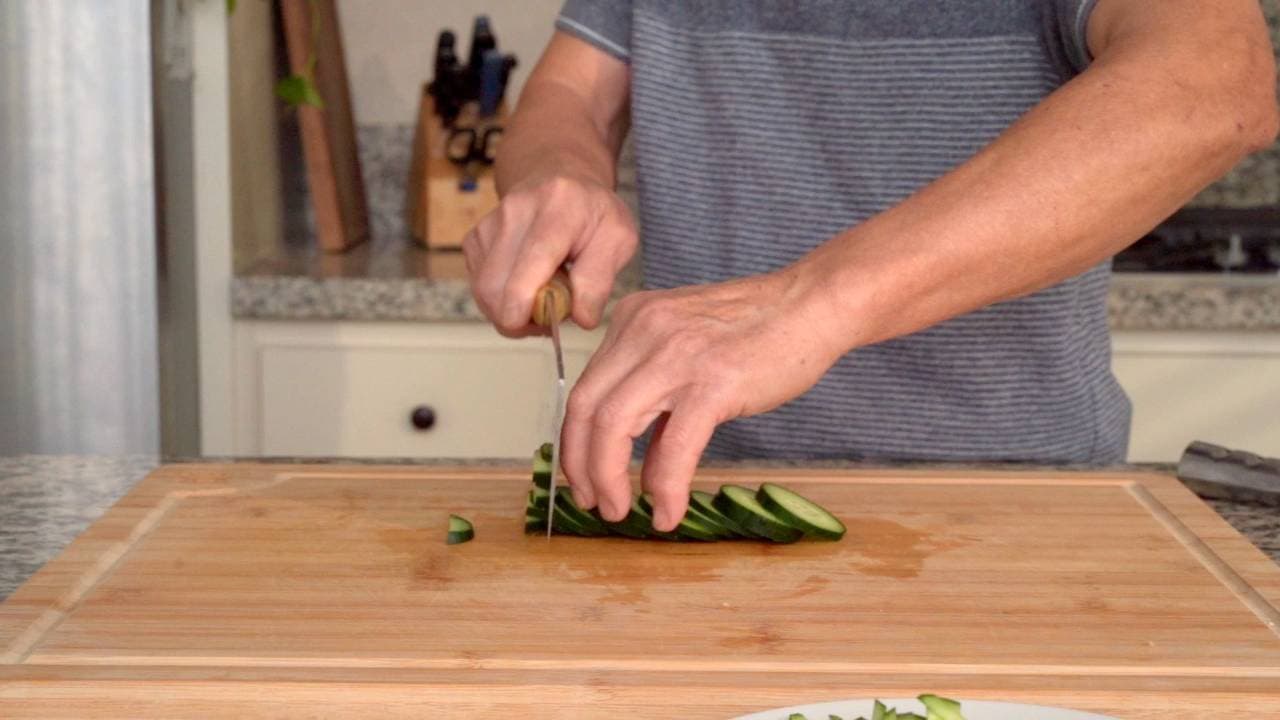
Cut the spare ribs (1 lb) between the bones into small pieces (about 1 to 1.5 inches), and place them into a bowl.
As we mentioned above, when selecting spare ribs, go for cuts that are less fatty (the tail-end ribs). If you can't find pre-cut ribs at your store, ask your butcher to cut them across the bone for you.
This step is done in three parts.
- Cornstarch:
- Add cornstarch (1 Tbsp) to the ribs, and massage the ribs around to evenly mix the cornstarch around the surface of each rib.
- The cornstarch helps bind to the myoglobin and juices that we're looking to cleanse out.
- Rinse:
- Rinse the ribs in running water for at least 1 to 2 minutes, massaging the ribs as you go.
- Dry:
- Pour out all of the water, and press and squeeze the ribs against a colander to get rid of excess water
- Take a thick paper towel and wrap the ribs in it, pressing and patting to absorb moisture.
Before we start marinating, if you want to save time for later, start boiling 3to 4 cups of water. This will be added to our wok when we start steaming.
Let's prepare our marinade:
- Add salt (½ tsp), sugar (1 tsp), light soy sauce (½ Tbsp), oyster sauce (1 Tbsp), Shaoxing wine (½ Tbsp) to a bowl.
- Finely mince garlic (1 clove), ginger (1 tsp), and rehydrated mandarin orange peel (1 tsp), and add them to the bowl.
- Cut a few slices of red chili pepper and our scallions (2 pieces). These will be used as garnish for later.
- Combine the bowl of seasonings into the bowl of ribs. Mix and massage the bowl of ribs for 45 to 60 seconds to distribute all of the flavors.
- Mince the black beans (1 Tbsp), add to the bowl of ribs, and mix and massage the ribs for 20 to 30 seconds
- Add sesame oil (1 tsp) and cornstarch (2 Tbsp), and mix / massage the ribs around for another 60 seconds to evenly coat each rib with cornstarch.
Chef’s Tip: Massaging the ribs (i.e. applying a little bit of pressure) helps the meat absorb the flavors and tenderizes the pieces a bit.
We'll start heating our wok on our stove, placing our steamer rack in the center of the wok. Add enough boiling water so that it just barely covers the entire steamer rack.
Transfer the ribs into the plate you'll be steaming with, being careful not to let any ribs be covered by one another. This is to ensure that the ribs all cook evenly.
Add the chili pepper slices, and pour vegetable oil (½ tsp) on the ribs. This will give our ribs a nice and shiny shimmer when we're done.
Carefully place the plate of ribs on top of the steamer rack. Double check to make sure that there's a little bit of water touching the bottom surface of the plate.
Cover the wok, set the stove to its highest heat setting, and steam the spare ribs for 20 minutes.
Do you smell the deliciousness yet?
When the 20 minutes are up, we're done! Turn the heat off, uncover the wok, garnish with the green onions, and carefully remove the plate from the wok.
My dad isn't using any sort of gloves or mitts (what a boss!), but I would if I were you.
Call your loved ones over! Time to eat 🙌
Top 3 Mistakes
- Steaming mismatched rib pieces:
Cut the spare ribs into pieces of similar size before arranging them for steaming. Uneven chunks need different cooking times, making it harder to finish the whole plate evenly.
- Leaving the coating patchy:
Coat the pieces evenly before cooking, following the starch or batter step. Bare spots and heavy clumps cook differently, making it harder to get a consistent crisp exterior.
- Starting with cold steam:
Bring the steaming water to the state specified before adding the dish. Starting too early changes the cooking time, so establish the steam before you begin counting minutes.
Frequently Asked Questions
How do you ensure even cooking when steaming?
It all comes down to the size of your ingredients and how they're arranged.
For spare ribs in this recipe, they're chopped up into the same sizes and should take the same amount of time to cook through.
If they were not the same size, or if you find yourself with some larger pieces (not all of us are masters with cleavers and knives) then put the larger pieces on top and the smaller pieces on the bottom, as the top will have a little more heat than the bottom of the steaming arrangement. The bottom of the dish has a harder time cooking through.
It's ideal to have all of the ingredients spread out into one even layer with no overlap.
Also, make sure that your steamer set-up is correct:
- the water at a level just high enough to touch the bottom of the plate
- the water doesn't run out (if it does, then replenish with hot water, not cold. Cold water will hurt your cookware!)
- the heat is initially on high to get the water boiling, and then on simmer, so that the steam stays strong
- with a well-fitting lid
How long do you steam spare ribs for?
Cut down ribs to 1 inch cubes will take about 20 minutes to steam through. Smaller pieces may cook through faster, and larger pieces will take longer. If you have a food thermometer, you can check for an internal temperature of 145ºF, or 63ºC.
Are spare ribs with black bean sauce healthy?
Yes, it is! You can make sure that you make the healthiest version possible by choosing good quality pork and good quality produce. Our recipe already has very little salt and oil, and you can always reduce them further or omit them if necessary, though the spare ribs may come out slightly less flavorful. You can also use low-sodium versions of soy sauce and oyster sauce if necessary.
Restaurant or instant versions may not be as healthy when they include additives and preservatives, but because you're making the steamed spare ribs from scratch, you have full control over the ingredients.
Pairs well with
View all →
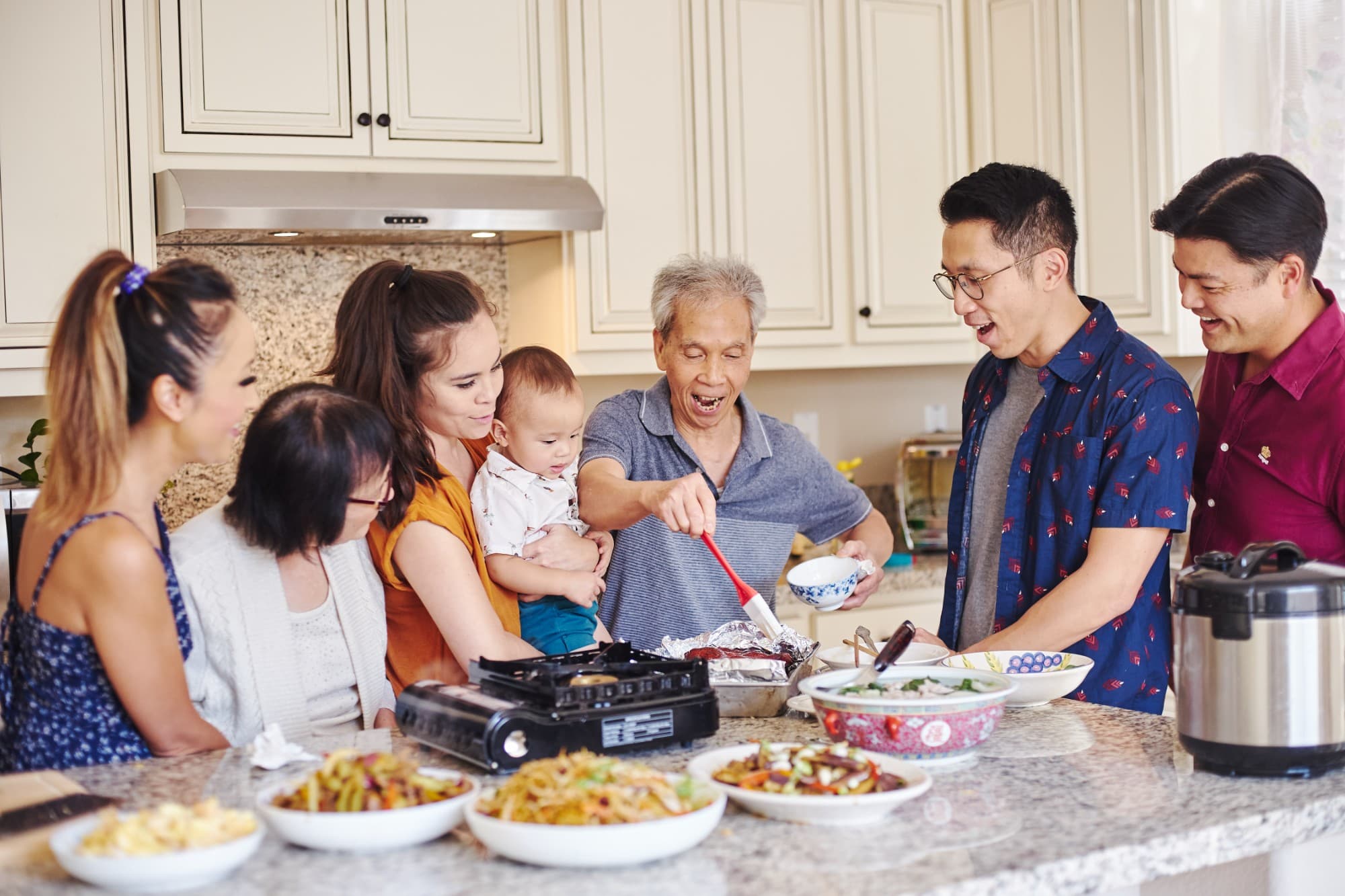
Made with love ❤️
We started Made With Lau to celebrate Cantonese culture and honor the legacy of our wonderful parents, Jenny and Chung Sun Lau.
Our hope is that these recipes and stories help you spread the joy, love, and nostalgia that I felt growing up.