Mapo Tofu With Chicken
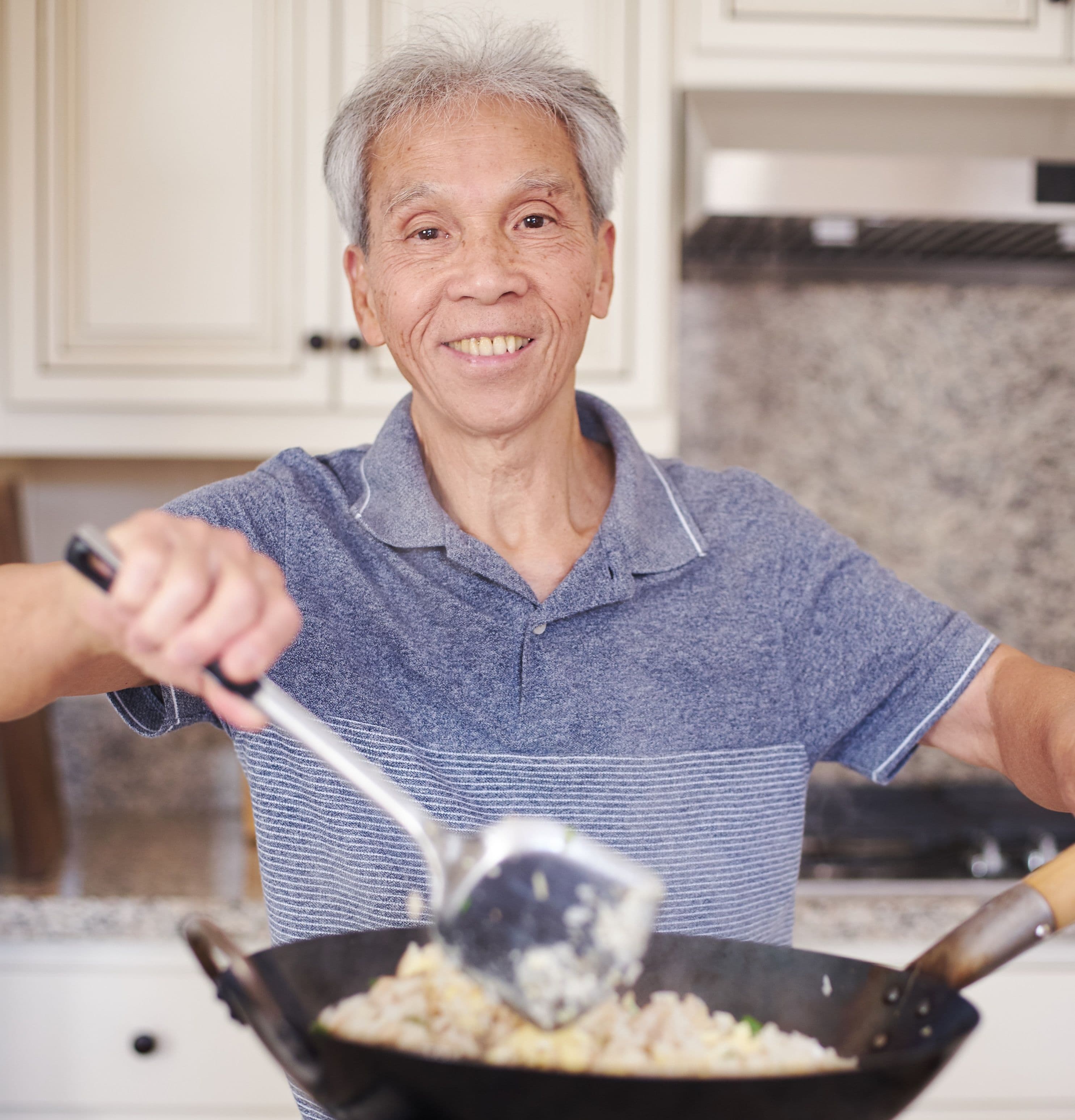
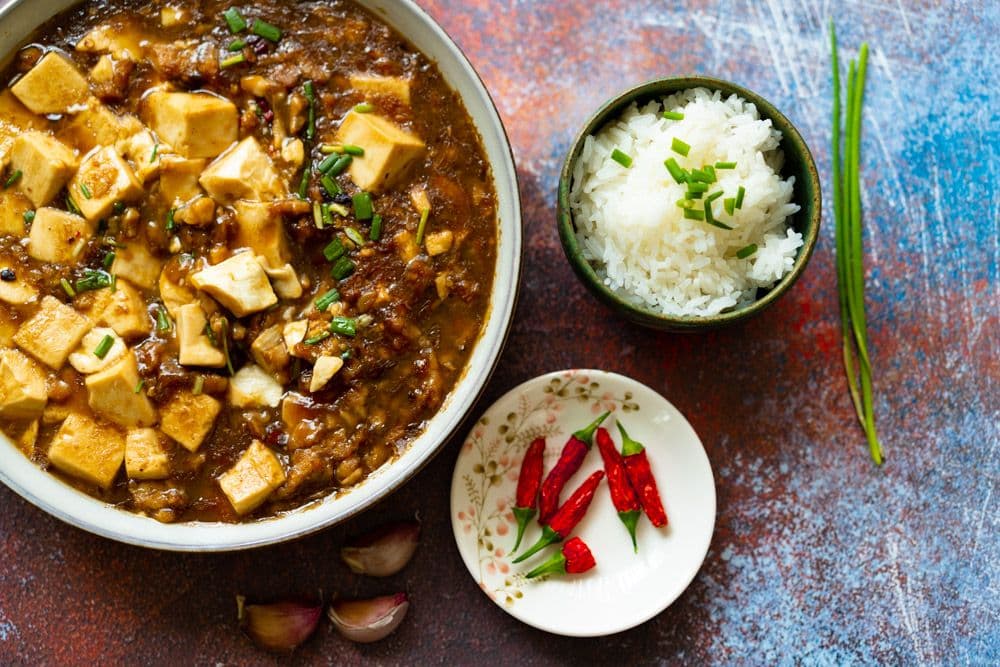
This spicy Sichuan classic is easy to make, delicious, and healthy!

Cooking Summary
Ingredients: (detailed list)
- Main Ingredients: tofu, chicken
- Chicken Marinade: cornstarch, oyster sauce, water
- During Cooking: bean sauce, oyster sauce, sugar, dark soy sauce, chili pepper, garlic, green onion, water, oil, salt
- Texture & Flavor: sesame oil, cornstarch, water
Jump To Section
Top 3 Mistakes
- Breaking tofu while stirring:
Stir gently when adding the slurry so the soft tofu cubes stay intact. Pour the finished dish into its serving bowl instead of roughly scooping and breaking it with a spatula.
- Adding thickener too fast:
Add the starch mixture gradually while stirring, checking the texture as it thickens. Pouring it all in at once gives you less control over the final consistency of the sauce.
- Skipping the meat marinade:
Mix the meat thoroughly with its marinade and give it the time the recipe calls for. This preparation helps the seasoning coat the pieces before the fast cooking stage begins.
Overview
Mapo Tofu is a staple of Chinese cuisine, a perfect exemplar of the rich, bold, and spicy flavors of Sichuan.
Unlike other dishes, we can actually pinpoint when and where Mapo Tofu was first created.
The Story of Mapo Tofu
In 1862, the owners of the Chen Xingsheng Eating House 陳興盛飯舖, a small mom-and-pop shop, started experimenting with their mouth-watering tofu and pork dish.
Little did the Chen family know, that they would soon make a name for themselves and quickly become one of Chengdu's most popular restaurants.
The "mapo" in Mapo Tofu refers to Mrs. Chen, an elderly woman with bumpy, cratered skin.
- màh 麻 - rough, bumpy, pockmarked
- pòh 婆 - elderly woman, grandma
Although an unfortunate nickname, Mrs. Chen became a local legend, known as Chen Mapo.
She and her family eventually embraced the name. Decades later, they officially rebranded their restaurant as Chen Mapo Tofu Restaurant 陳麻婆豆腐.
In 2011, UNESCO declared Chengdu a "city of gastronomy", to be celebrated for its sophisticated culinary greatness.
Among the many incredible flavors and dishes you might find in Sichuan, Mapo Tofu stands among the best.
Mrs. Chen's legacy is undeniable, inspiring generations upon generations of chefs to build upon her recipe.
If you ever find yourself in Chengdu, the Chen Mapo Tofu Restaurant is still open for business, over 150 years later.
In the meantime, you can make your own delicious mapo tofu for yourself at home!
Ingredients
Why this recipe
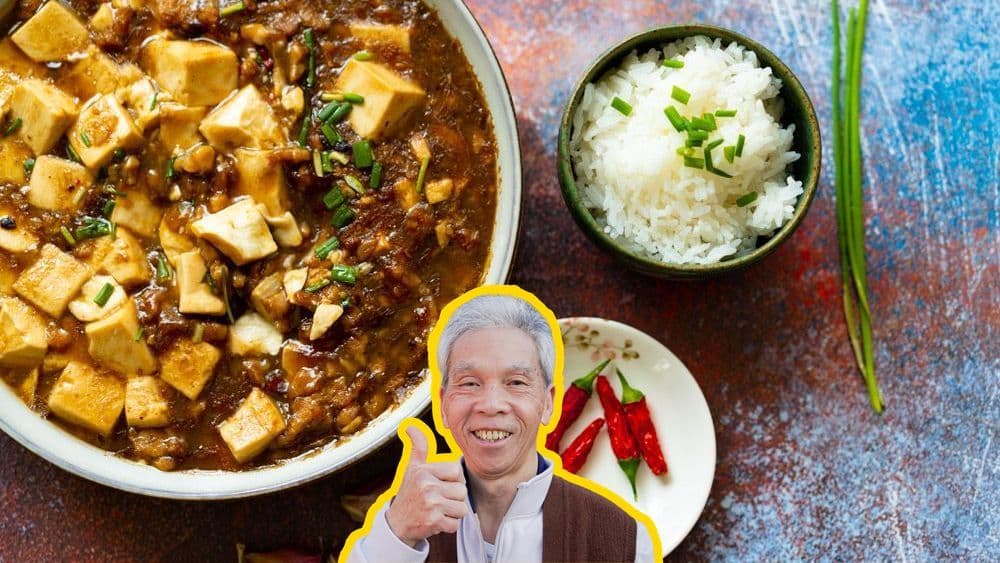
Most mapo tofu with chicken recipes online are tested only a handful of times. My dad used to make this dish multiple times a day, every day, for 60+ years and can make this in his sleep.
I know you'll love it as much as our community does! This recipe has over 842.9K views, 19.5K likes on YouTube.
On Meats
Traditionally, Sichuan dishes include pork, as it was an abundant source of meat.
In this recipe, my dad uses chicken, but you can really use any type of meat - shrimp, beef, pork, chicken, etc.
Or, no meat at all!
Finding Asian Ingredients
Some of these ingredients are hard to find in a typical grocery store.
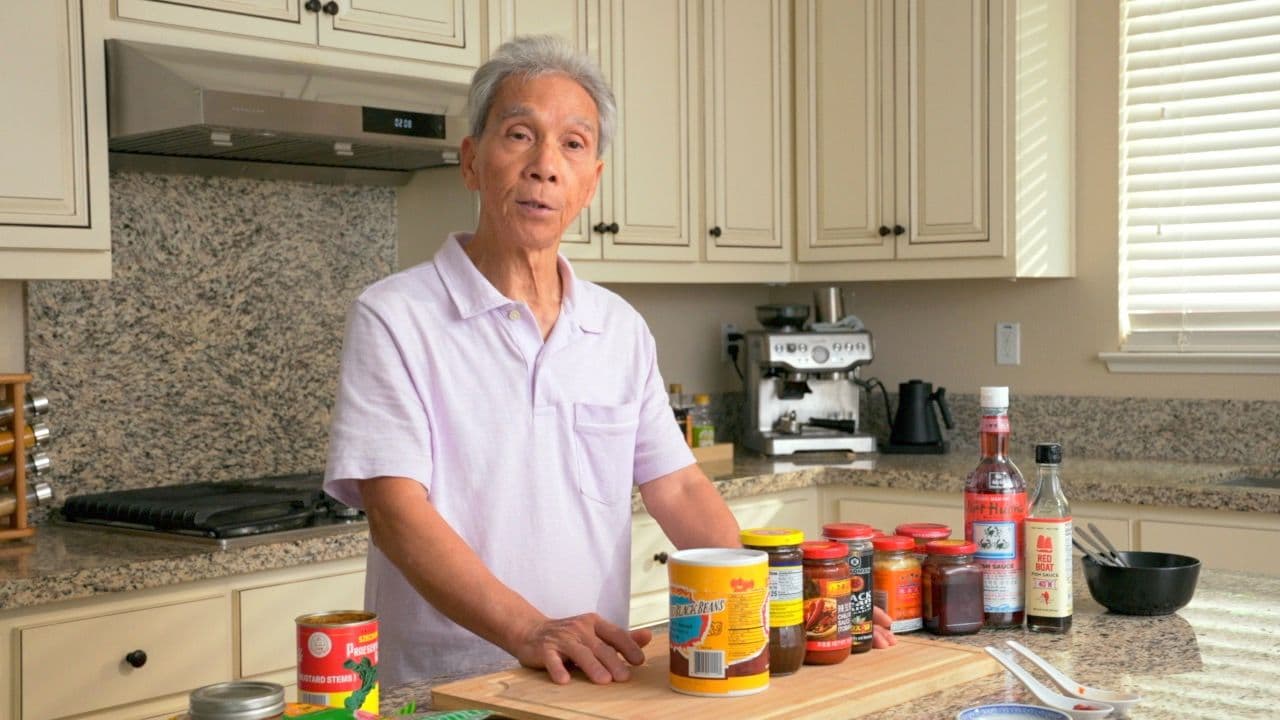
If you don't live near an Asian market, most of what my dad uses can be found on Amazon:
- Koon Chun Bean Sauce
- Dark Soy Sauce
- Substitute with Kikkoman Tamari - https://geni.us/kkmtamari
- Lee Kum Kee Chili Sauce
- Premium Oyster Sauce (yes, there is a difference)
- Substitute with Kikkoman Vegetarian Oyster Sauce - https://geni.us/kkmoystersauceveg
These links are affiliate links, which means that if you use our links to purchase these ingredients, Amazon pays my family a small amount for the sale - at no extra cost to you. If you use these links, we really appreciate the support!
On Spiciness
My dad typically does not add a ton of spiciness into his dishes.
My family is Cantonese, acclimated to the more earthy, mild flavors of Guangdong.
Sichuan, on the other hand, is well-known for its bold and spicy flavors.
If you want more to add more of a kick to your dish, I would add more chilies than what's prescribed in my dad's recipe.
How to make Mapo Tofu With Chicken
Cut the chicken (3 oz) by slicing diagonally. Then, gather the clumps of chicken together, and mince the pieces into even smaller pieces. Gather, flip the clump of chicken, and repeat.
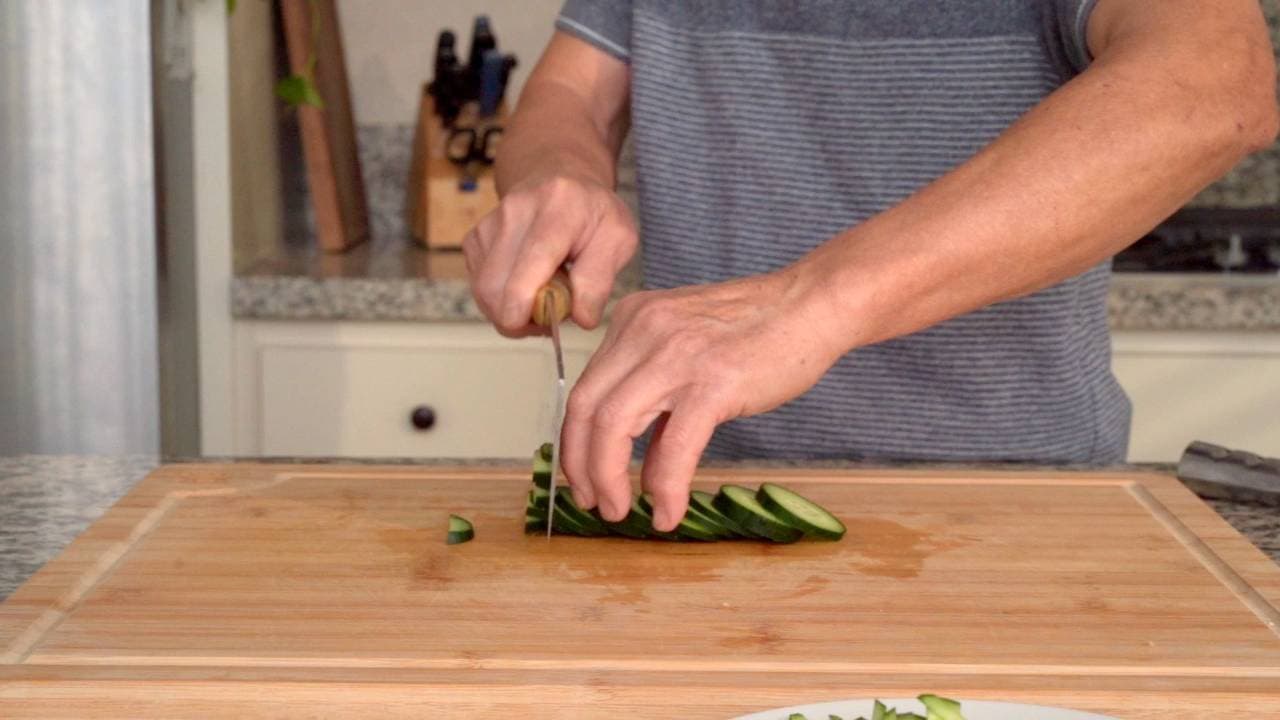
Place your freshly minced chicken in a bowl, and add cornstarch (1 tbsp), oyster sauce (1 tbsp), and water (2 tbsp).
Using your hands and a bit of strength, mix and massage the chicken around until the marinade is fully absorbed.
Let the marinade sit for about 5 minutes.
Using your tofu (1 lb) of choice (my dad is using soft tofu for this recipe), drain the water from packaging, and chop it into cubes.
Mince your garlic (2 clove), chili peppers, and green onion (1 stalk).
On the grand scale of spiciness, my dad's recipe rates more on the mild side. Feel free to use more chili here if you crave the heat.
Alternatively, you can use chili sauce instead of fresh chilies.
In a bowl, mix together cornstarch (1 tbsp) and water (2 tbsp) until you have an even consistency. We'll be using this mix as a thickening agent for the final steps.
Set your stove to its highest setting, and wait a few minutes for your pan or wok to heat up.
Once it's hot enough, add oil (1 tbsp), garlic, and chilies. Stir the garlic and chilies around for 20 to 30 seconds until you can start to smell the aromas.
Next, add the chicken to the wok. Let it sit for about 20-30 seconds, moving (but not flipping) the chicken around.
Add bean sauce (1 tbsp) to the wok, stirring it around with the chicken for about 1 minute.
Then, add water (1 cup), sugar (1 tsp), salt (0.50 tsp), oyster sauce (1 tbsp), and dark soy sauce (0.50 tsp). Stir around for a few seconds.
As I mentioned before, some of these ingredients are hard to find at a normal grocery store. However, you can buy them on Amazon for the same price if you don't live near an Asian grocery store:
Add the tofu (1 lb) to the wok, gently stir it around, and cover the wok with a lid. Let it sit for about 3 minutes, when the wok starts to boil.
According to my dad, this step is the most important.
Slowly pour the cornstarch mix you made earlier into the wok, gently stirring the wok around as you go. Be careful not to break the tofu in the process.
Tofu inherently has no taste, and the cornstarch acts like a glue to help the tofu trap the flavors. It also acts as a thickening agent, giving the dish a more creamy texture.
Next, add sesame oil (1 tsp). Gently stir the wok around to mix the sesame oil in.
We're done! You're almost ready to eat your delicious creation.
If you're plating the dish, the only caveat is to pour the tofu directly into a bowl or plate WITHOUT using a spatula. This helps keep the tofu intact.
Frequently Asked Questions
Why do you mince meat by hand?
My dad likes to be able to control the fineness of the mince, so he can guarantee the perfect texture. If you're low on time, or just prefer the added convenience, it's totally fine to buy pre-minced/ground meat!
What meat do you use in Mapo Tofu?
Traditionally, mapo tofu is made with pork or beef. We use chicken, but any ground meat works great. Or, you can skip the meat altogether.
What firmness of tofu is best for Mapo Tofu?
To complement minced meat, the smoothness of soft tofu is a slightly better choice. But soft tofu, firm tofu, and all the firmnesses in between are all still tofu, so you can use whichever you have on hand.
However, be extra gentle when handling, cutting, and stirring soft tofu; it's more likely to crumble.
Is Mapo Tofu spicy?
As a representative dish from Sichuan, it's typically spicy, BUT because our family is Cantonese and more accustomed to the milder flavors of Cantonese cuisine, our version isn't very spicy.
You can adjust the spice level by reducing or increasing the amount of chili peppers.
If you add a chili bean paste called doubanjiang, it will add a very warm, savory spiceful flavor.
If you'd like the Sichuan-famous mala numbing spice, then add mala spice, or hua jiao. That'll add a real kick to your Mapo Tofu!
What chili pepper do you use for Mapo Tofu?
You can use any kind that you like, fresh or dried! My dad uses small red chili peppers. Try a chili pepper that you're actually familiar with first, so you know exactly how spicy it'll be, and then experiment with other varieties.
If you add a chili bean paste called doubanjiang, it will add a very warm, savory spiceful flavor.
If you'd like the Sichuan-famous mala numbing spice, then add mala spice, or hua jiao. That'll add a real kick to your Mapo Tofu!
Is Mapo Tofu healthy?
Yes, it is! It may seem rich because of the hearty sauce, but the major flavor hitters are chili peppers, bean sauce, and oyster sauce, and you'll notice that there's not an overwhelming amount of each of those when compared to the final volume of the entire dish.
You can make sure that you make the healthiest version possible by choosing good quality meat and condiments. If you reduce the amount of condiments and seasonings, that will affect the flavor of the dish. If necessary, you can opt for low-sodium versions of oyster sauce and soy sauce.
Restaurant or instant versions may not be as healthy when they include additives and preservatives, but because you're making the dish from scratch, you have full control over the ingredients.
Can you make vegetarian Mapo Tofu?
Sure! You can replace the minced meat with imitation meat, chopped mushrooms of any kind (or a variety!), or omit it altogether.
Can I use premade Mapo Tofu sauce?
Premade sauces can contain a lot of salt, sugar, and other additives and preservatives. Making the sauce from scratch also lets you control the flavor to your liking.
How do you reheat Mapo Tofu?
On the off chance you somehow end up with leftovers, Mapo Tofu reheats pretty well! You can steam it or microwave it. If you reheat it on the stove, you may want to add a splash of water.
What goes well with Mapo Tofu?
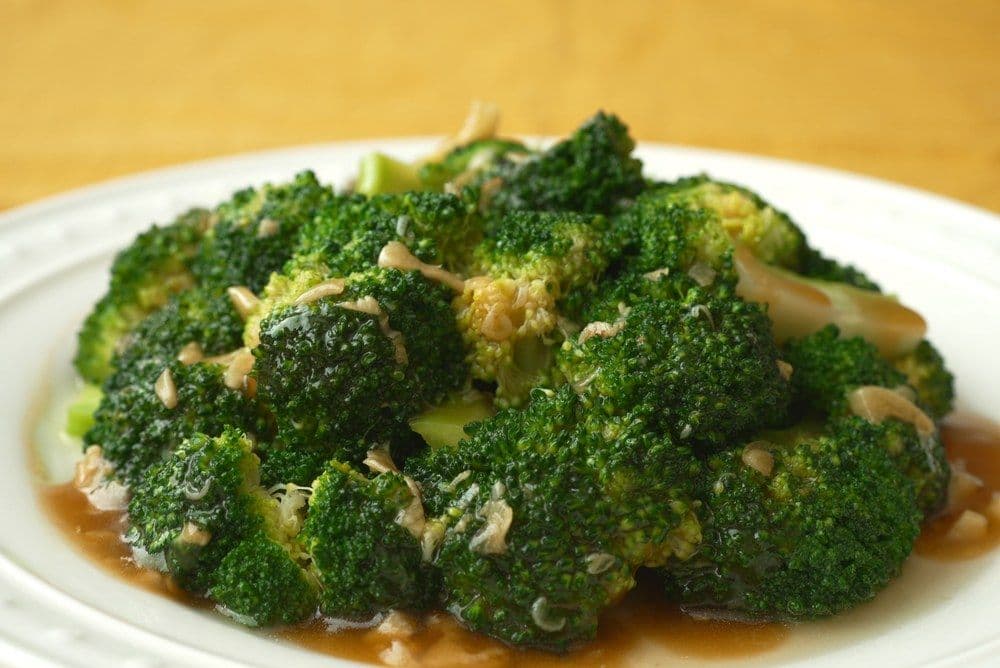
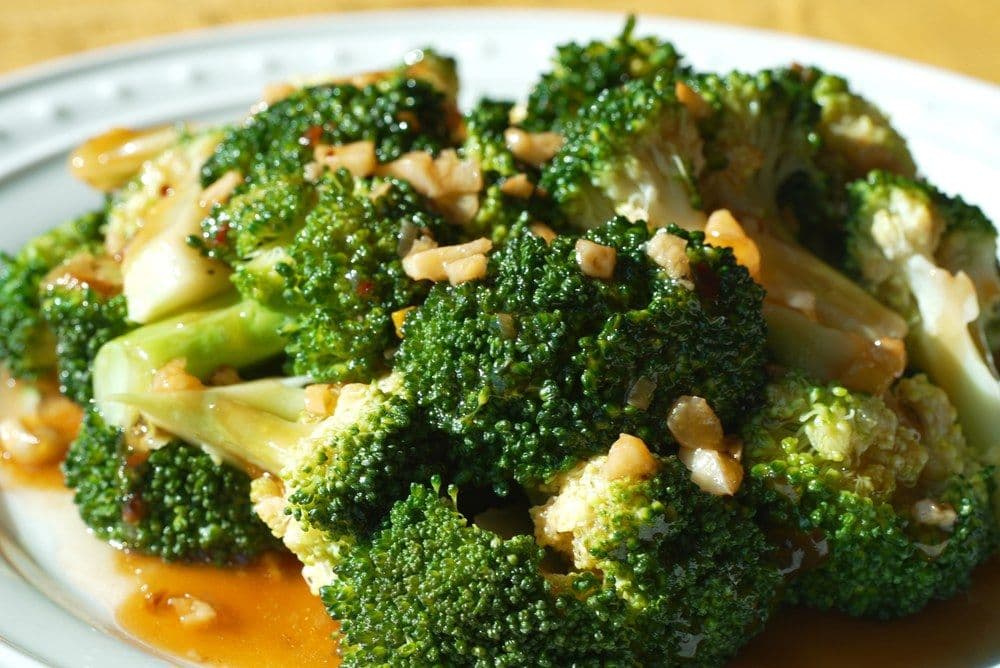
Mapo Tofu is the perfect complement to freshly steamed rice! Because of its rich flavor, milder side dishes like Stir Fried Bok Choy, Fish Omelette, or Honey Walnut Shrimp are great for rounding out your meal.
Pairs well with
View all →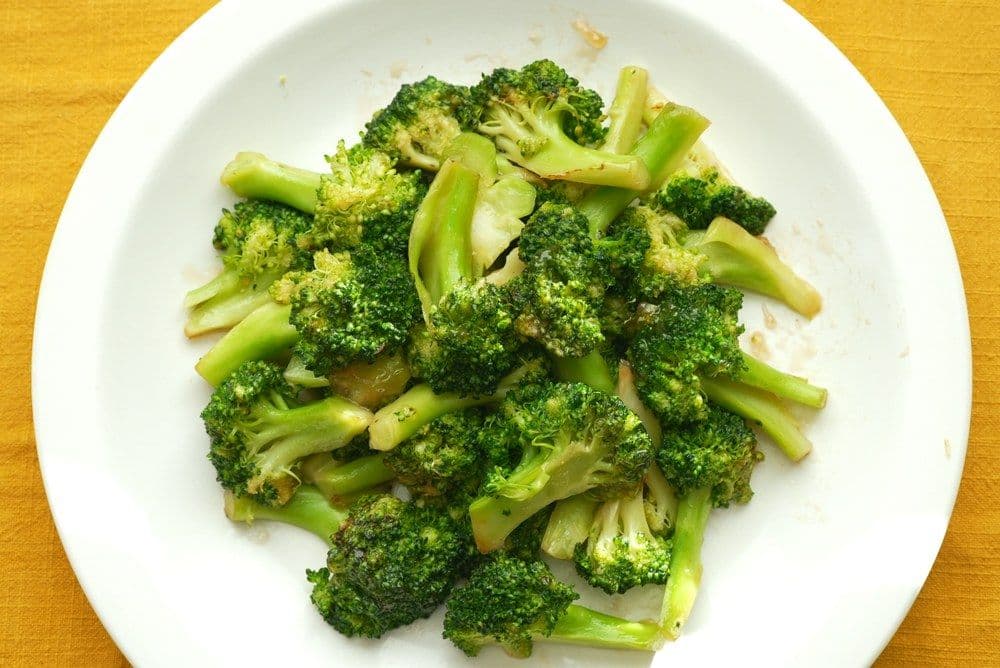
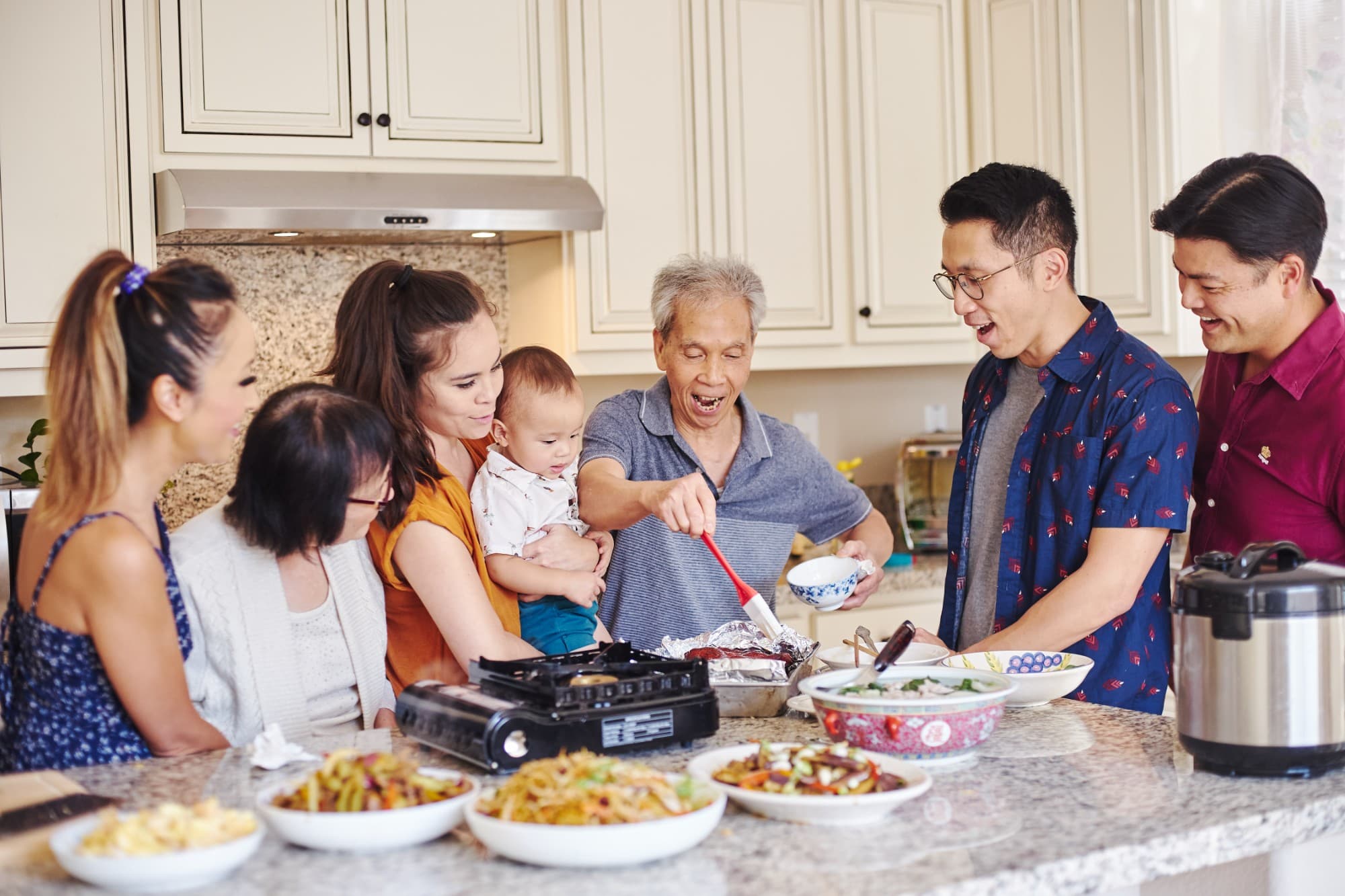
Made with love ❤️
We started Made With Lau to celebrate Cantonese culture and honor the legacy of our wonderful parents, Jenny and Chung Sun Lau.
Our hope is that these recipes and stories help you spread the joy, love, and nostalgia that I felt growing up.