Ginger Scallion Noodles
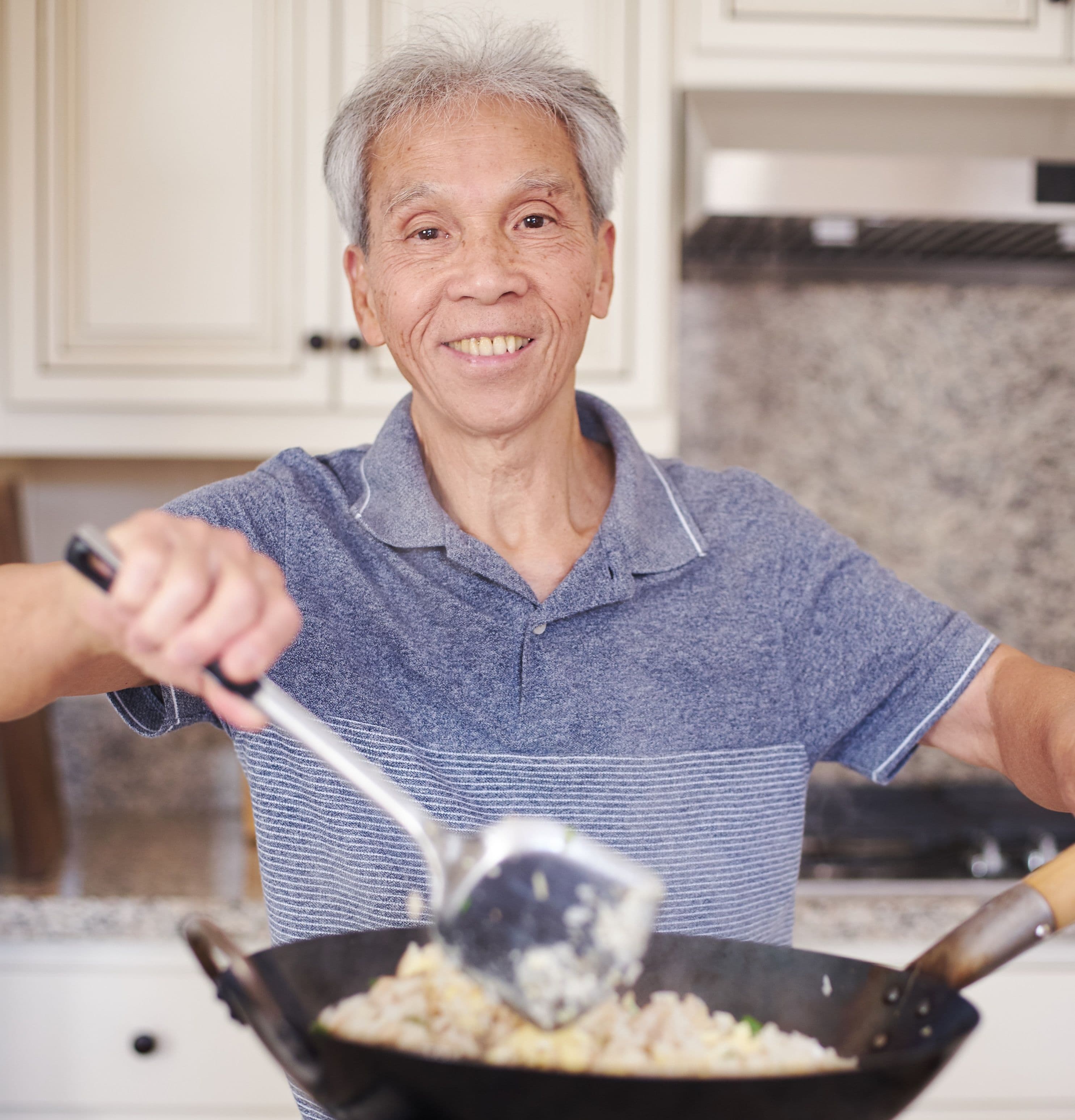
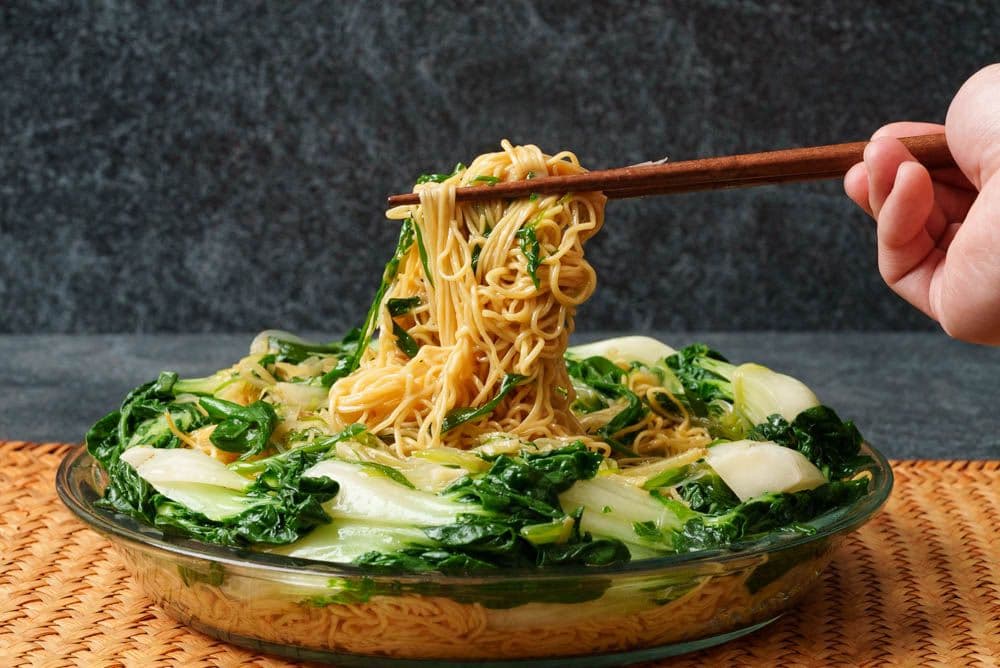
Learn our foolproof recipe for the most flavorful, perfectly slurp-able noodles!

Cooking Summary
Ingredients: (detailed list)
- Main Ingredients: egg noodles, ginger, green onion, bok choy, oil
- Sauce: chicken broth, salt, sugar, Kikkoman® Oyster Sauce, oil, cornstarch, water, Kikkoman® Sesame Oil
Jump To Section
Overview
This flavorful, simple noodle dish is the perfect backdrop for any of your favorite side dishes. Follow my dad's recipe to achieve the perfect tender, silky texture of slurp-able noodles.
Thank you, Kikkoman!
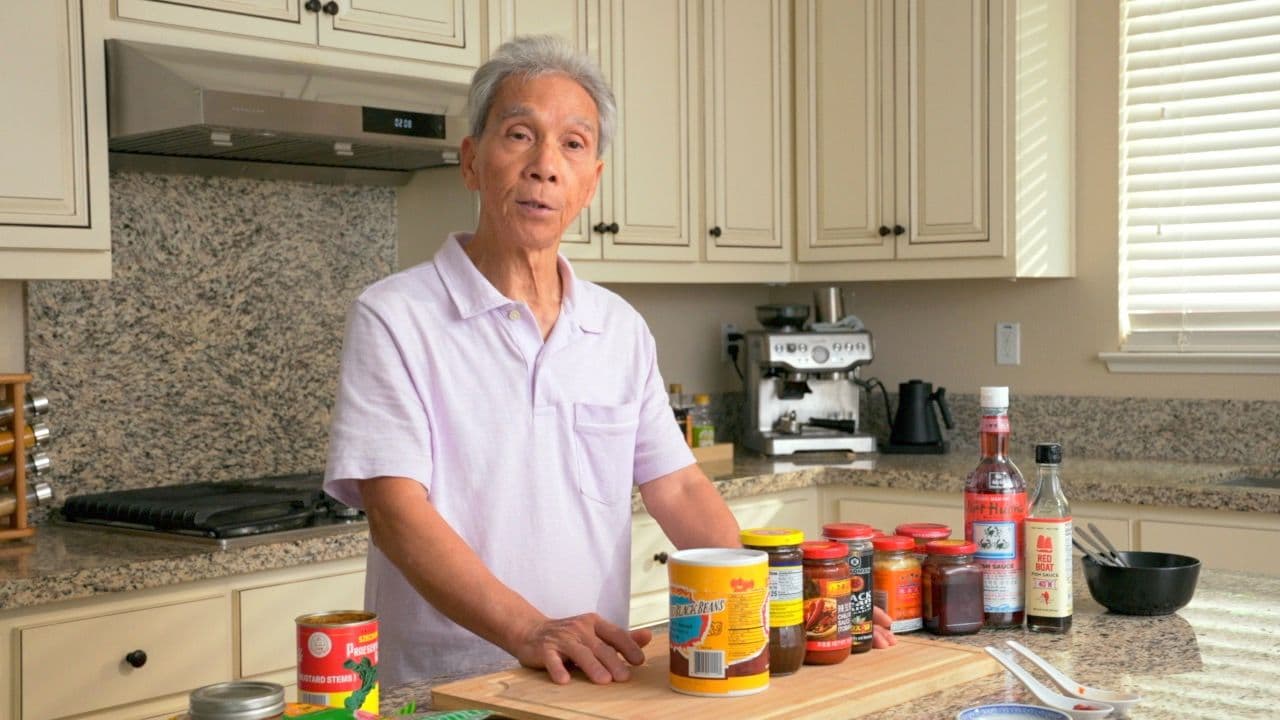
This recipe is brought to you in part by Kikkoman. My dad has been using Kikkoman flavors throughout his 50-year career as a chef, and it's a privilege to get to partner with them on such an iconic recipe, Ginger Scallion Noodles!
- Kikkoman products are a major flavor enhancer and bring out the “umami” taste, and help balance and round out flavors
- Kikkoman® Less Sodium Soy Sauce is perfect for home cooks who are looking to cut down on their sodium levels, without sacrificing flavor
- Kikkoman offers a wide range of Gluten-Free Asian sauces, including Gluten-Free Oyster Sauce and Gluten-Free Hoisin Sauce
- The KikkomanUSA.com Chinese site offers easy Asian recipes that home cooks can enjoy any night of the week
You can learn more about Kikkoman and follow them on social media here:
- Website: https://www.KikkomanUSA.com
- Facebook: https://www.facebook.com/KikkomanChineseUSA (Kikkoman 萬字在美)
- Instagram: https://www.instagram.com/kikkomanusa_chinese/ (Kikkoman 萬字在美)
Why this recipe
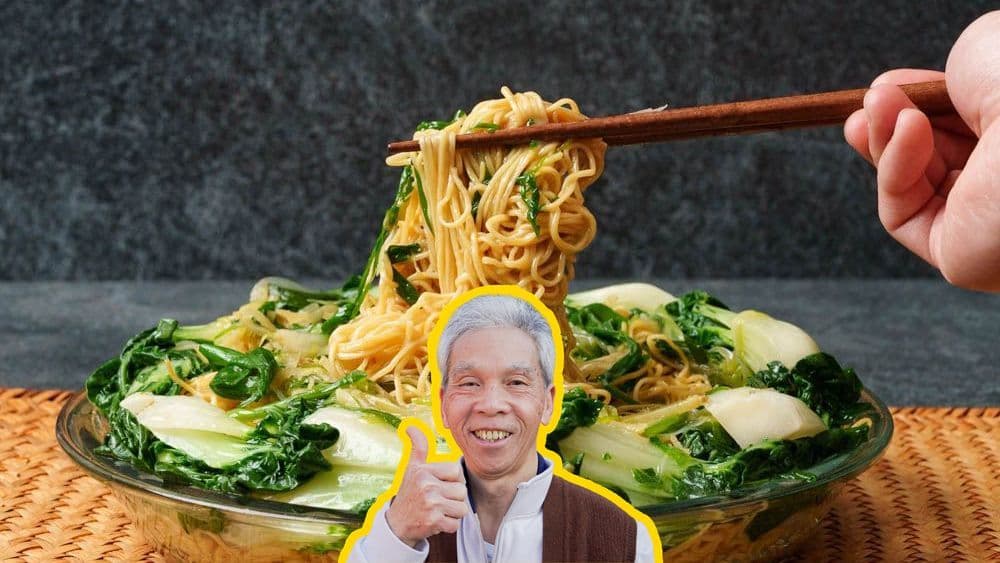
Most ginger scallion noodles recipes online are tested only a handful of times. My dad used to make this dish multiple times a day, every day, for 60+ years and can make this in his sleep.
I know you'll love it as much as our community does! This recipe has over 414.1K views, 11.6K likes on YouTube.
Noodle selection
We use thin egg noodles for this, but you can make this with any noodle that you have. To get the closest result to our demonstration, you'll want a yellow, egg-based noodle with a bit of chew.
Thin pasta works great; you can use thin spaghetti or angel hair pasta and cook it a little longer than the package instructions for a softer result.
How to make Ginger Scallion Noodles
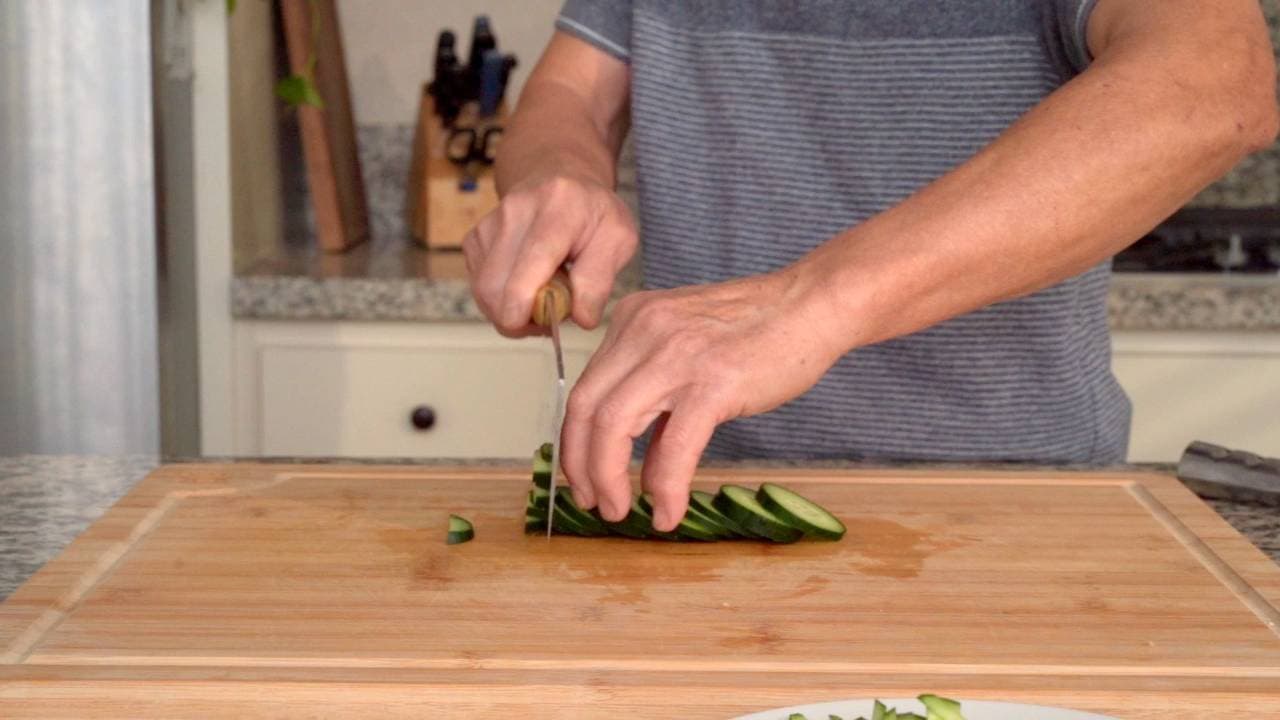
We want the ginger and green onions in thin, delicious slivers that deliver flavor without getting too spicy and astringent. For the ginger (2 oz), start with slicing thinly. Then, cut the slices into thin strips. If you’re comfortable doing so, you can save time by laying the slices down in an overlapping row and julienne down the row.
Cut the green onion (3 oz) into 2-inch sections. Slice the sections lengthwise once to unfold them and get a flatter base for safer chopping. Then, finely slice the batons into thin strips. The thinner you can slice, the more delicate their texture and milder the spice.
If the bok choy (8 oz) you get is as big as ours, cut each one into four quarters. If you have smaller plants, you can just halve them. Dirt and debris really like to hide at the base of the leaves, so after you cut the bok choy, it’s best to double check that they’re completely clean.
Prepare the sauce by combining chicken broth (8 oz), salt (1 tsp), sugar (½ tsp), and oyster sauce (1 Tbsp) in a small bowl.
(For vegetarian options, go for a vegetable or mushroom broth and a vegetarian oyster sauce like Kikkoman® Vegetarian Oyster Sauce, which you can get on Amazon.)
Boil a pot of water on high heat. Add oil (1 tsp) so the bok choy will blanch with a glossy finish.
When the water comes to a boil, add the bok choy and cook until slightly softened and vibrantly green, or 70-80 seconds.
Shock the bok choy immediately by transferring them to a bowl of cold water. Drain and place the bok choy on a plate.
Loosen up the noodles (12 oz) so they don’t clump.
Add the noodles to the same pot of water we used to cook the bok choy; you may want to divide the noodles and cook them in two batches.
Cook each batch for 30 seconds, occasionally stirring and pulling up the noodles to prevent clumping.
Remove the noodles with a colander or large strainer, dunk into bowl of cold water for about 5 seconds to shock them, then drain.
Add oil (1 tsp) and mix it into the noodles. This oil is imperative for keeping the noodles from sticking together. Transfer the noodles to a serving dish
Repeat steps for subsequent batches of noodles until you’ve cooked and plated the rest of the noodles.
Arrange the noodles nicely in the serving dish; they’re going to act like a bed for the rest of the ingredients
Place the blanched bok choy around the edges of the dish. You can impress everyone by arranging them leaf to stem, maybe slightly overlapping, in a wreath shape. Set the dish aside as we cook the sauce.
Heat your wok on high heat. Add oil (3 Tbsp) and give it a quick swirl.
When the oil is hot, lower the heat to medium and add ginger. Stir and cook until the ginger is aromatic, or about 10 seconds.
Increase the heat to high, and add the green onions. Stir and cook until it’s aromatic, or 50-60 seconds.
Give your bowl of pre-mixed sauce a quick mix in case any ingredients have settled. Add the sauce to the wok and stir to incorporate. Have a quick taste to see if you’d like to make any adjustments; my dad adds a bit more chicken broth.
Once the flavor is to your liking, it’s time to refine the consistency. Turn the heat to low so nothing burns while you’re busy making the slurry.
Create the thickening slurry by combining cornstarch (1 Tbsp) and water (2 Tbsp). Mix well until the cornstarch has completely dissolved and no clumps remain.
Increase the heat to medium and drizzle in the slurry while constantly stirring. Keep monitoring the consistency of the sauce; if you like a thinner gravy, you might not use all the slurry. If you like a thicker sauce, you might want to mix up and add even more slurry.
Increase the heat to high to further reduce the sauce. Continue stirring as it cooks for about 30 seconds.
Turn off the heat, drizzle sesame oil (1 tsp) into the sauce and stir to incorporate. Now, your sauce is done!
Don’t add the sauce to the dish too far ahead of time; if the noodles sit in the sauce for too long, they could get soggy.
When you’re ready to dig in, pour the sauce over the noodles and enjoy!
Top 3 Mistakes
- Saucing noodles ahead of time:
Keep the cooked noodles and sauce separate until you are ready to eat. Letting them sit together too long gives the noodles time to absorb liquid and lose their intended texture.
- Skipping the noodle cold rinse:
Shock the cooked noodles in cold water as directed to stop their cooking. Drain them before serving so they keep their intended texture instead of continuing to soften in residual heat.
- Crowding everything at once:
Cook in manageable batches rather than adding everything at once. Follow the recipe’s batch sizes so you can control the timing and keep the pieces from sticking together.
Frequently Asked Questions
How do you prevent the noodles from getting soggy?
Make sure to cook the noodles in reasonably-sized batches so they're not sitting in the pot for too long. Cook them to the perfect consistency and texture that you like, then shock the noodles in cold water to stop the cooking process. Finally, wait to add the sauce until you're ready to eat.
How do you prevent Ginger Scallion Noodles from sticking to the pan?
Our recipe shows you how to boil the noodles and cook the sauce in separate steps. This guarantees a perfect cook for both parts and completely avoids the possibility of noodles sticking to the pan.
When should you add the Ginger Scallion sauce to the noodles?
Don’t add the sauce to the dish too far ahead of time; if the noodles sit in the sauce for too long, they could get soggy. Right when you’re ready to dig in, pour the sauce over the noodles and enjoy!
Pairs well with
View all →
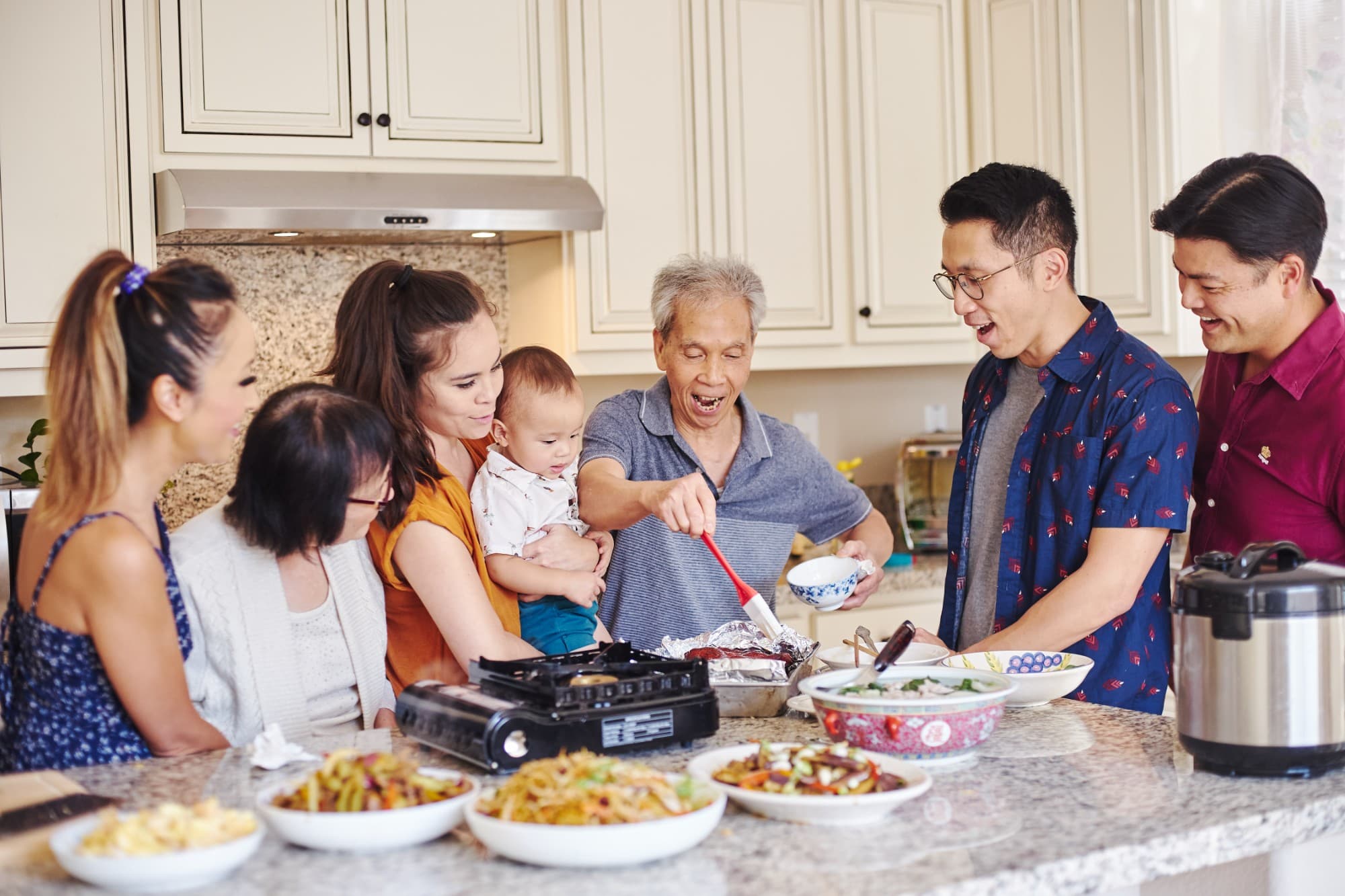
Made with love ❤️
We started Made With Lau to celebrate Cantonese culture and honor the legacy of our wonderful parents, Jenny and Chung Sun Lau.
Our hope is that these recipes and stories help you spread the joy, love, and nostalgia that I felt growing up.