Fish Omelettes
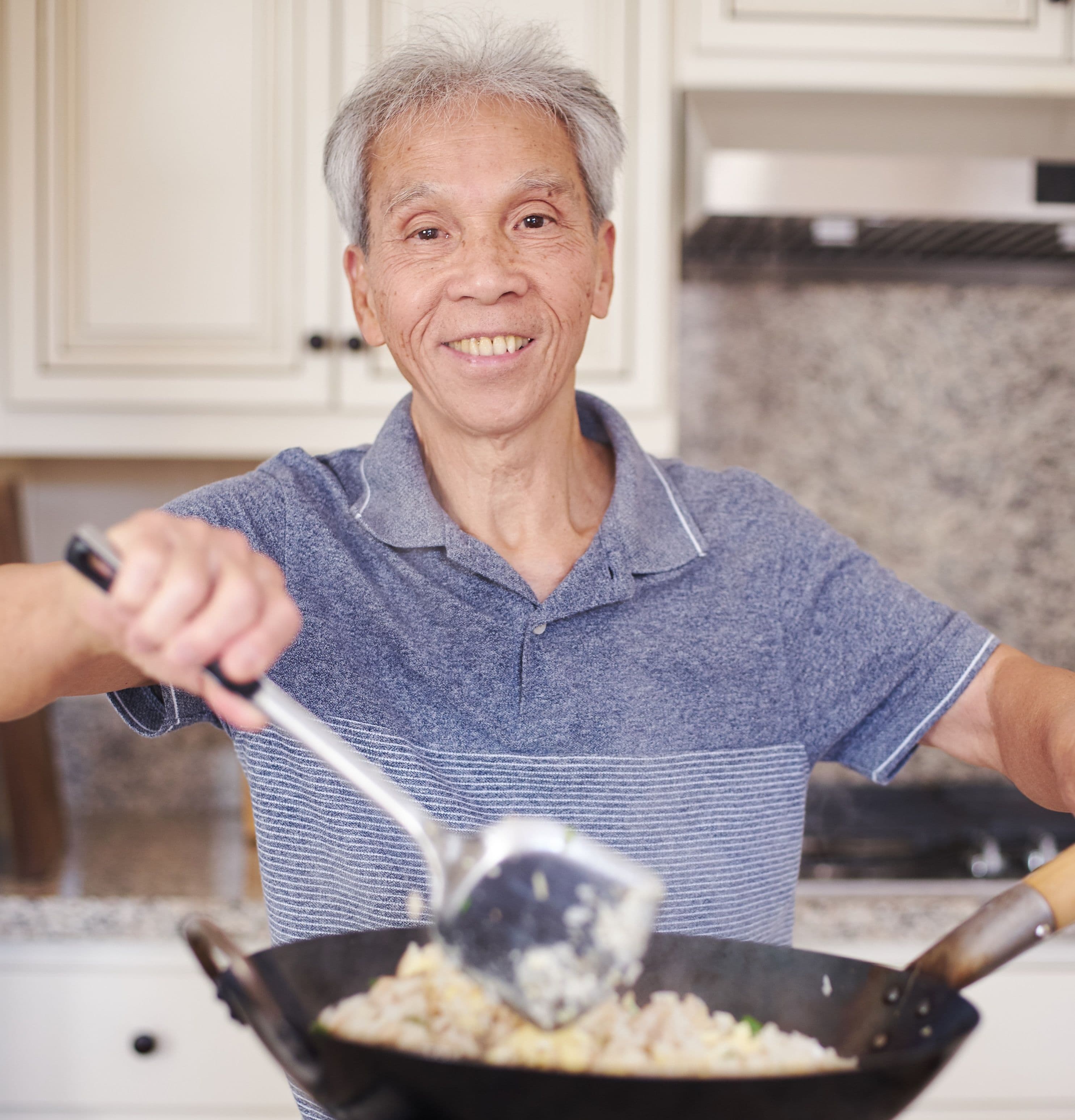
An easy, healthy twist on omelettes!

Cooking Summary
Ingredients: (detailed list)
- Main Ingredients: boneless fish fillets, eggs, oil, green onion
- Seasoning for Eggs: salt, white pepper
- Seasoning for Fish: salt, cornstarch, white pepper
Steps:
Jump To Section
Overview
My dad seems to have hundreds of recipes involving eggs, and this is yet another recipe that's extremely delicious, healthy, and easy to make! Perfect for easy weeknight meals :)
Why this recipe

Most fish omelettes recipes online are tested only a handful of times. My dad used to make this dish multiple times a day, every day, for 60+ years and can make this in his sleep.
I know you'll love it as much as our community does! This recipe has over 248.7K views, 5.2K likes on YouTube.
Ingredients
What type of fish to use?
My dad is using swai fish here, but the recipe works with many different types of fish, shrimp, and other seafood. You can also make this with oysters, which is a very popular Hokkien and Teochew dish in restaurants and night markets throughout Southeast Asia.
Also known as basa or panga, swai is a popular type of catfish also native to Southeast Asia. As with all types of meat and seafood, if you have the means and ability, it's helpful to consider buying from sustainable sources. The Monterey Bay Aquarium manages a really helpful service called "Seafood Watch", which gives us consumers a bunch of recommendations on making our purchases in a more environmentally friendly way.
Finding Asian Ingredients
Some of these ingredients are hard to find in a typical grocery store.
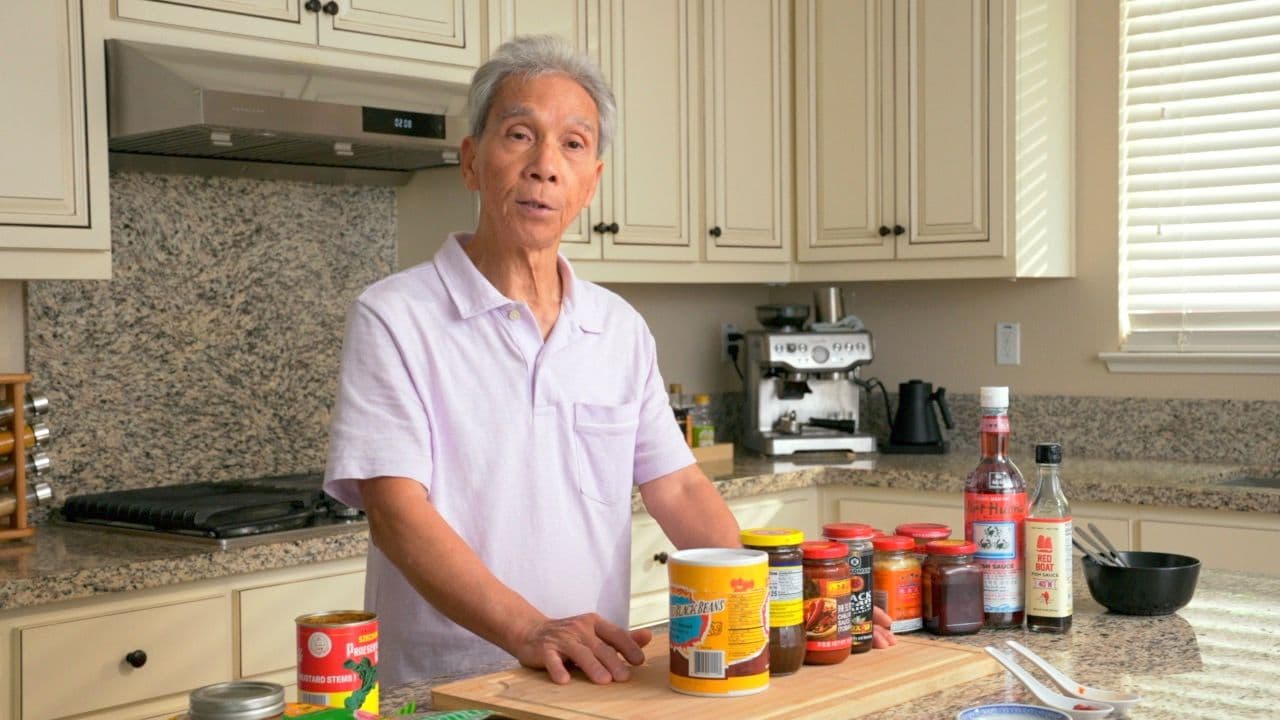
If you don't live near an Asian market, most or all of what my dad uses in this recipe can be found on Amazon:
- Kadoya Sesame Oil - https://amzn.to/3c7EOTu
- Lee Kum Kee Premium Oyster Sauce
- Michiu Rice Cooking Wine
- Pearl River Bridge Superior Light Soy Sauce
- Pearl River Bridge Superior Dark Soy Sauce
- Lao Gan Ma Chili Oil
- Koon Chun Hoisin Sauce
- Shaoxing Cooking Wine
- Bullhead Shacha (BBQ Sauce)
- Dried Orange Peels
- Koon Chun Ground Bean Sauce
- Dried Shiitake Mushrooms (soak for 15-20 minutes in warm water before slicing)
- Dried Wood Ear Fungus (a few options, depending on what's in stock):
These links are affiliate links, which means that if you use our links to purchase these ingredients, Amazon pays my family a small amount for the sale - at no extra cost to you. If you use these links, we really appreciate the support!
How to make Fish Omelettes

We'll cut our fish fillets (7 oz) into 6-7 sections.
Then, cut each section into 1-1.5 inch strips. Cutting with the grain will help the fish stay together when cooking, while cutting against the grain will result in more fragile pieces that may fall apart. It's up to you which what you'd like to cut.
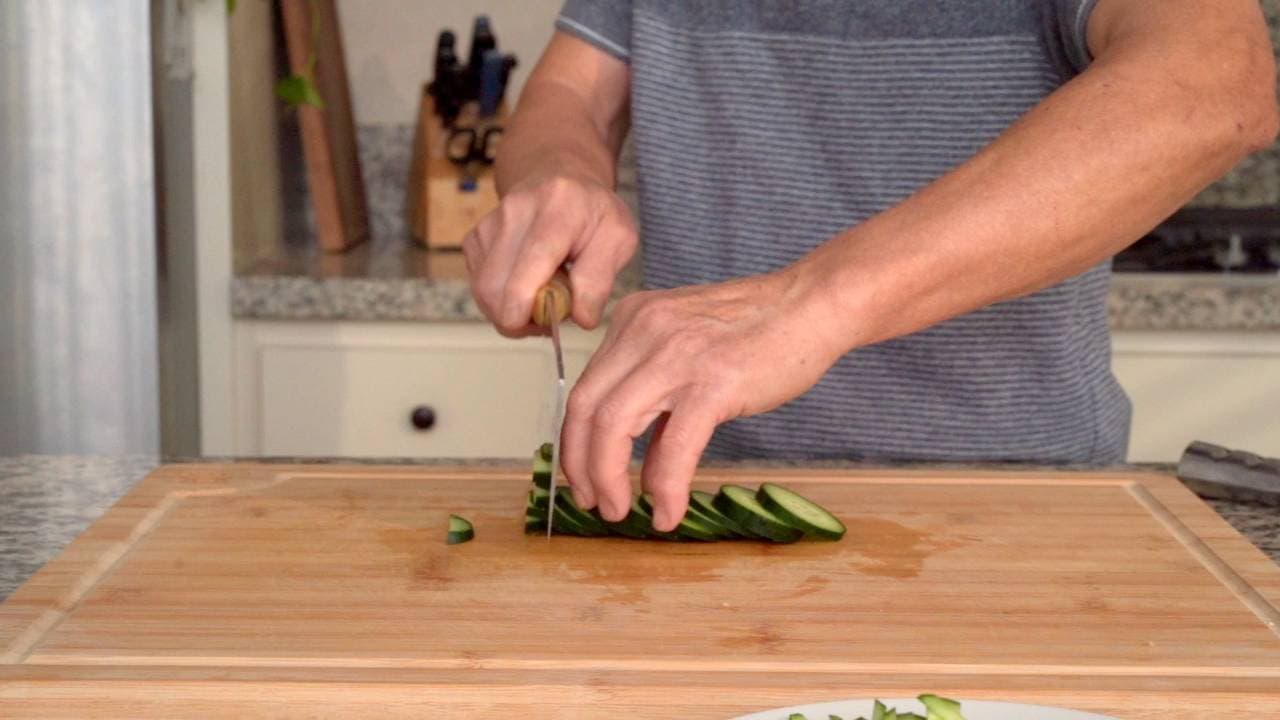
We'll place the fish into a bowl and season the fish with white pepper (¼ tsp), cornstarch (1 tsp), and salt (¼ tsp). Mix it evenly with chopsticks until the flavors are distributed around the fish.
Next, we'll chop our green onions (2 piece) into small pieces.
Then, we'll crack our eggs into a bowl, add salt (½ tsp) and white pepper (¼ tsp), and beat the eggs with chopsticks/fork.
We'll set our stove to high heat and pour boiling water into the pan.
Add the fish to the pan. We'll let the fish cook for about 1.5 to 2 minutes, gently moving the fish around as we go.
Using boiling water allows the cornstarch to trap the fish's juices inside, resulting in a more tender bite.
Once the fish has turned into more of a white color, we'll drain the pan into a colander.
Dry off the pan with a paper towel.
Next, we'll be heating up our pan for about 2-3 minutes on high heat.
Once hot enough, we'll add oil (1 Tbsp) to the pan. Tilt and turn the pan to spread the oil around.
A good sign that both our pan and oil are hot enough is if the oil starts shimmering, or forming ripples across the surface.
Turn the stove down to medium heat.
We'll start pouring SOME of the egg mixture into the pan. (Not all). The eggs should immediately sizzle after being poured into the pan. Let it rest and cook for about 15-30 seconds before adding the fish.
Once the egg has partially cooked, we'll add our fish on top of the egg and distribute the fish around the pan.
Combine the green onions with the rest of the egg mixture, beat the eggs a few times, and then pour the rest of the mixture into the pan.
Like with most omelettes, notice that my dad is barely stirring or touching the eggs. Occasionally, we'll dig our spatula between the pan and egg to prevent the egg from sticking to the pan.
Halfway through, we'll also want to add oil (½ Tbsp) to the perimeter of the omelette to seep down between the pan and eggs, and so that the eggs continue to form a nice golden brown exterior.
In total, after pouring the rest of the eggs into pan, let it cook on this side for about 3-4 minutes before flipping. A good visual cue is for the eggs to show nice golden brown.
To flip the omelette, we'll carefully transfer the omelette onto a large plate. Add oil (½ Tbsp) to the pan. Then, in a quick motion, we'll flip the omelette upside down back onto the pan.
This is easier to do if you have fewer eggs and fillings.
While it cooks, you can add a touch more oil around the perimeter to help the egg separate from the pan and brown.
In total, after flipping, we'll be cooking the omelette on this side for about 3-5 minutes until the bottom has turned a nice golden brown.
We'll occasionally press the omelette into the pan with the bottom of our spatula to help any bumps and crevices make contact with the pan.
To transfer the omelette onto a plate, we'll be using gravity.
Cover the pan with a plate, and then flip the pan upside down onto the plate. The egg should fall nicely onto the plate, which we can then cut up and serve to our loved ones.
Top 3 Mistakes
- Cutting fish into fragile bits:
For pieces that hold together better, cut the fish with the grain as the recipe explains. Slicing across it makes more fragile pieces that need gentler handling during cooking.
- Ignoring the oil temperature:
Check the oil using the recipe’s heat guidance before adding the ingredients. Oil that is too cool or too hot changes how quickly the food cooks and how evenly the surface browns.
- Leaving dry spots in the pan:
Tilt the hot pan to spread the oil before adding the food. Covering the cooking surface gives you more consistent contact instead of leaving dry patches where pieces can stick.
Frequently Asked Questions
How do you balance the fish and egg cooking time?
Because fish is very delicate and eggs cook quickly, we precook the fish in boiling water. When we start cooking the eggs, we let it begin to set before adding the fish. Then you'll be able to preserve the tenderness of the ingredients while keeping it all structurally sound.
Is there a special technique for beating eggs?
There's no secret trick to it. Use whatever you have at home, or whatever you're comfortable with: chopsticks, forks, whisks, a blender if you must. If you can't beat them quickly, you'll just have to spend a little more time bending the eggs to your will. They'll succumb eventually.
The important thing is that you end up with the yolks and whites combined. For this dish, texture is important, so you don't want streaks of whites that are slightly tougher to chew. You want uniform color and texture for the eggs.
How do you cook the omelette without burning it?
Take a peek underneath! If it starts to brown too much, you want to flip it or take it out of the pan.
If it's browning too fast while the top/inside is still too raw, your heat is too high. Lower the heat and remember to turn it this low next time you start making the omelette.
What kind of seafood can you use in omelettes?
We use white fish in our omelette recipe, but you can use whatever seafood you like! Shrimp, crab, oyster, and squid are also popular options. For whatever ingredients you use, pre-cook it separately and then add it to the eggs after the eggs have already partially cooked.
This way, you have the most control over how cooked the ingredients are without worrying that you have raw crab in your overcooked egg!
Pairs well with
View all →
Made with love ❤️
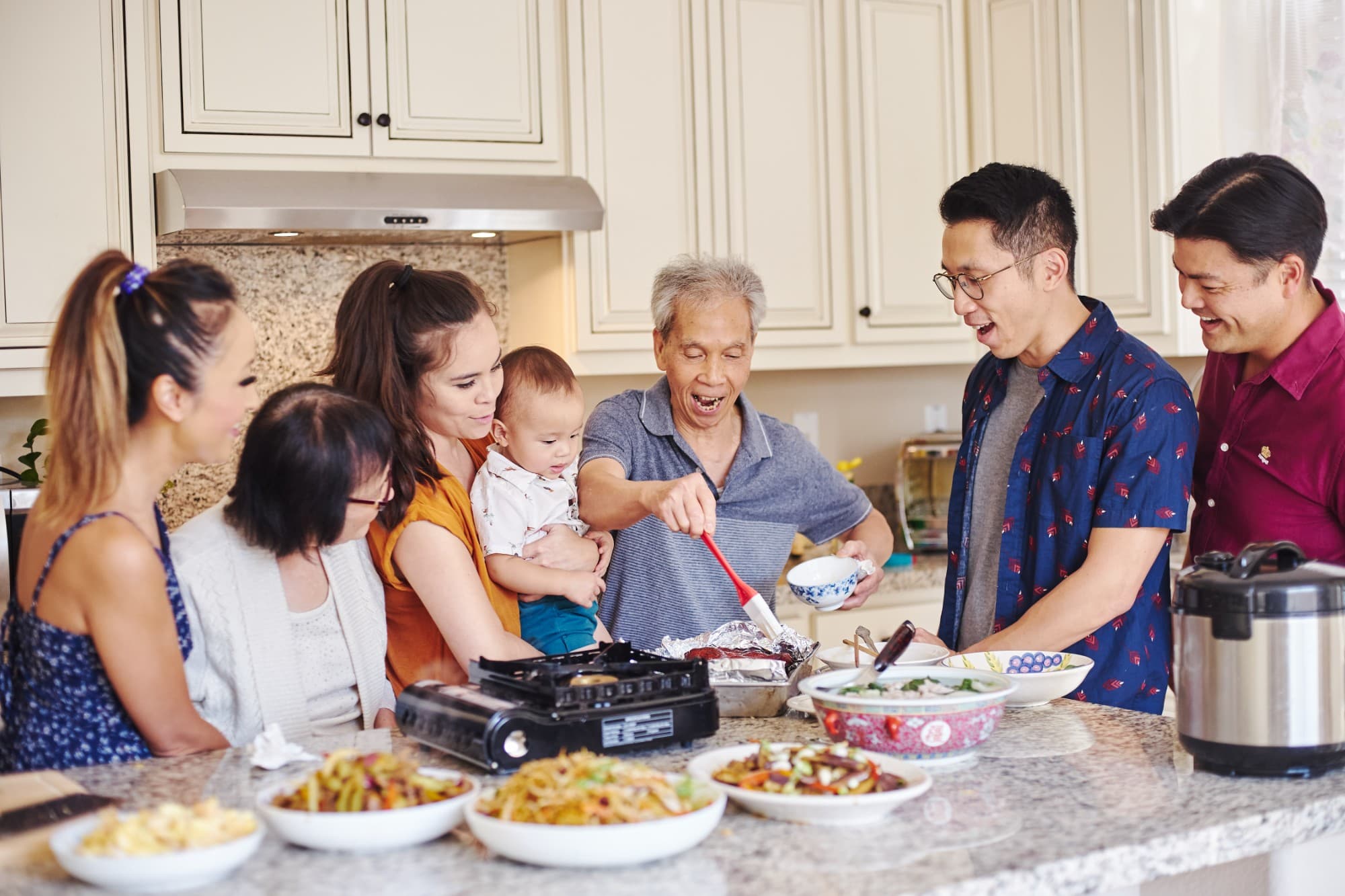
We started Made With Lau to celebrate Cantonese culture and honor the legacy of our wonderful parents, Jenny and Chung Sun Lau.
Our hope is that these recipes and stories help you spread the joy, love, and nostalgia that I felt growing up.