
The Century Egg & Pork Congee My Dad's Made 100,000 Times
Why this recipe
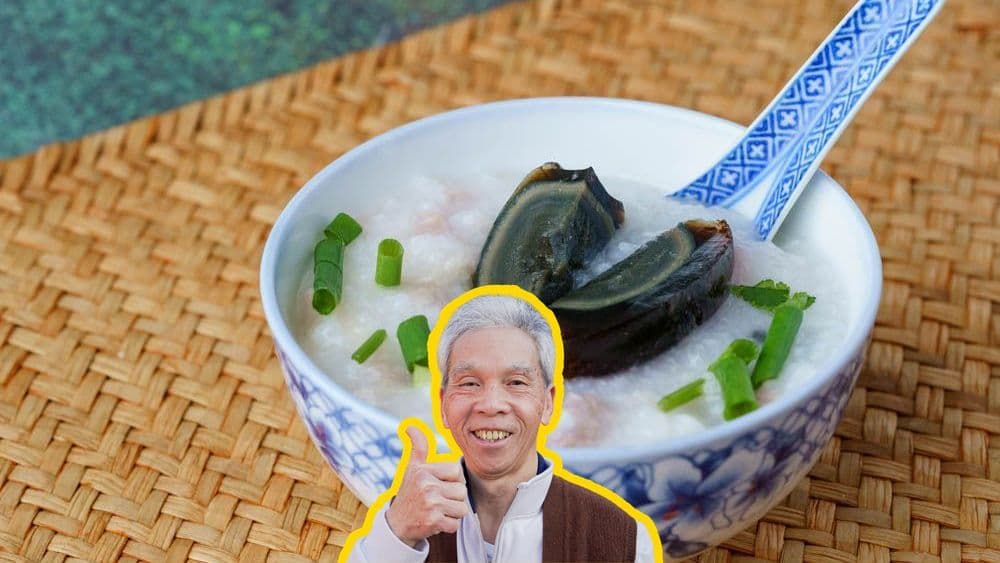
Most century egg & pork congee recipes online are tested only a handful of times. My dad used to make this dish multiple times a day, every day, for 60+ years and can make this in his sleep.
I know you'll love it as much as our community does! This recipe has over 553K views, 10K likes on YouTube.
Congee is the ultimate comfort food. There's nothing more calming than a thick, soothing rice porridge that's been simmering away for hours... except what if you didn't have to wait hours?
Daddy Lau has another trick up his sleeve, so that this congee is cooked through and ready for toppings in 30 minutes. How? Grab your favorite whisk and follow along!
Pairs well with
View all →
Ingredients
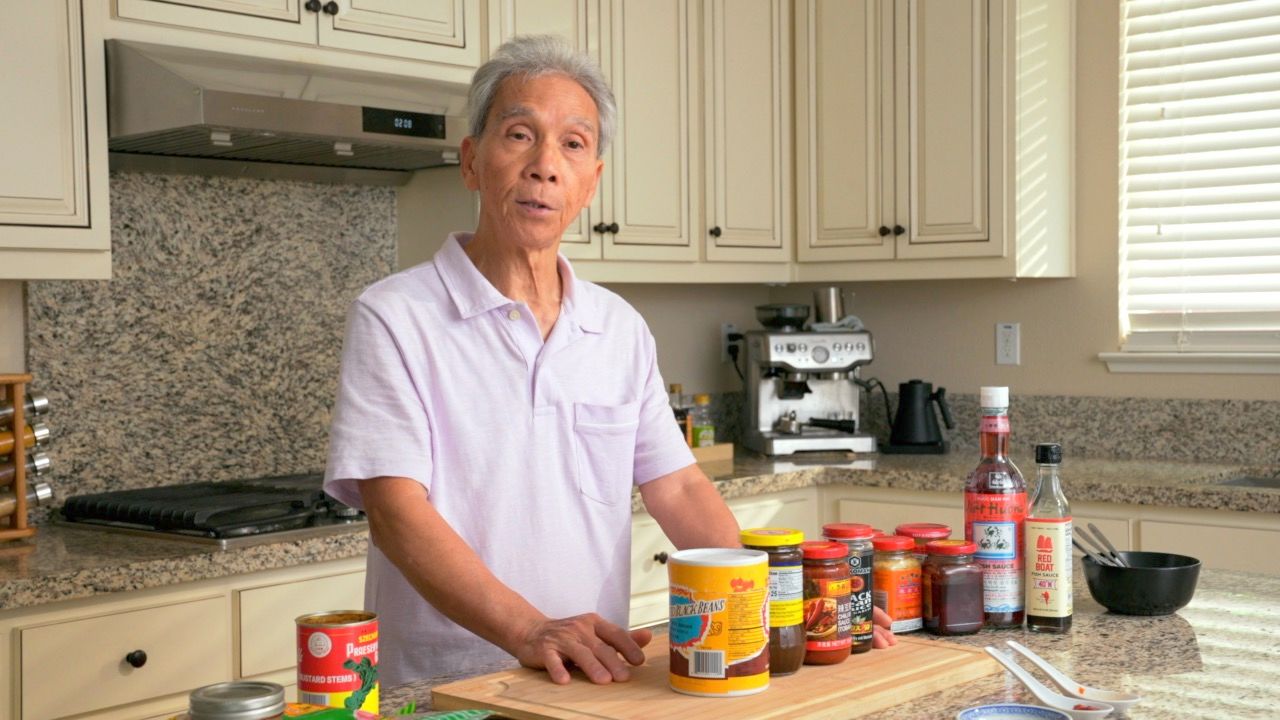
Black eggs!
Century eggs may look odd when you first encounter them, but they've been a beloved ingredient for hundreds of years.
Traditionally, century eggs are chicken or duck eggs preserved in a mixture of clay, salt, lime, and rice hulls. Over time, mass production has modified the preservation method with different or simplified ingredients, and cut down the curing time to months, or even weeks. The result of preserving eggs in this unique, alkaline mixture is a jelly-like black-brown egg white, and a dark green egg yolk.
Century eggs are strongly savory, and their texture is just like boiled eggs, with creamy yolks and solid whites.
Using dried scallops
Dried scallops have more concentrated flavor than fresh ones, so while you could use fresh seafood in a congee, it wouldn't have that intense fragrance that dried scallops provide.
Just like other dried ingredients, you usually want to soak them in water to soften them up before you start cooking. For this recipe, since they'll be hanging out in a big pot of liquid for most of the cooking time, there's no need to pre-soak!
Pork butt or pork shoulder?
When you buy meat, you might see both names and think that pork butt comes from the buttocks, and pork shoulder from the shoulder. Unfortunately, the naming convention of pork cuts isn't straightforward and sensible like that.
Pork butt is actually a marbled cut from the pig's shoulder. If you get a ham cut from the pig's buttocks, or "pork shoulder" which is a leaner section of the pig's shoulder, it'll taste fine, but the meat will not be as tender as if you used a marbled piece of pork butt.
You can use other cuts of pork, or other meats, but you'll want to get something that's balanced between lean and fat. Too lean, and it won't be tender and juicy. Too fatty, and your congee will get greasy and oily.
Instructions
Prepare rice & dried scallops
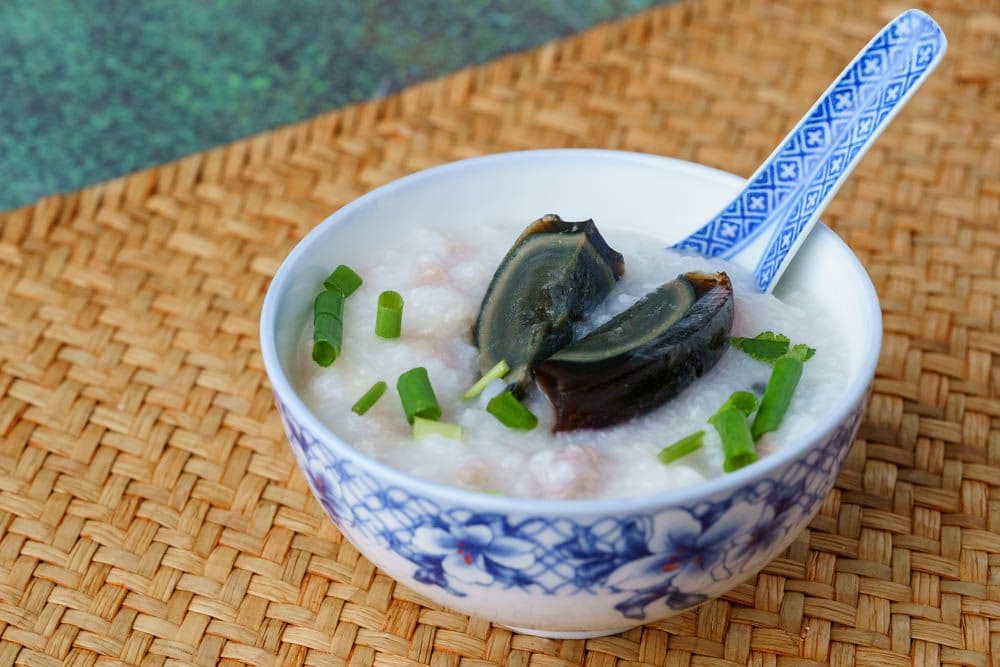
As always, wash your rice well. Wash the rice (6 oz) three times, changing out the starchy water for fresh water each round.
(Daddy Lau's pro-tip #1: save the starchy rice water to water your plants!)
After the last rinse, let the rice soak in clean water, just enough water to keep the rice submerged, and add salt (1 tsp) and oil (1 tsp). The salt will season the rice, and the oil will contribute to the silky texture of the congee later.
Now, grab your dried scallops (1 oz). Break them apart with pliers or a nutcracker. The smaller pieces will soften faster, cook easier, and be appropriately sized for eating. Then, wash them twice to get rid of any dust or debris.
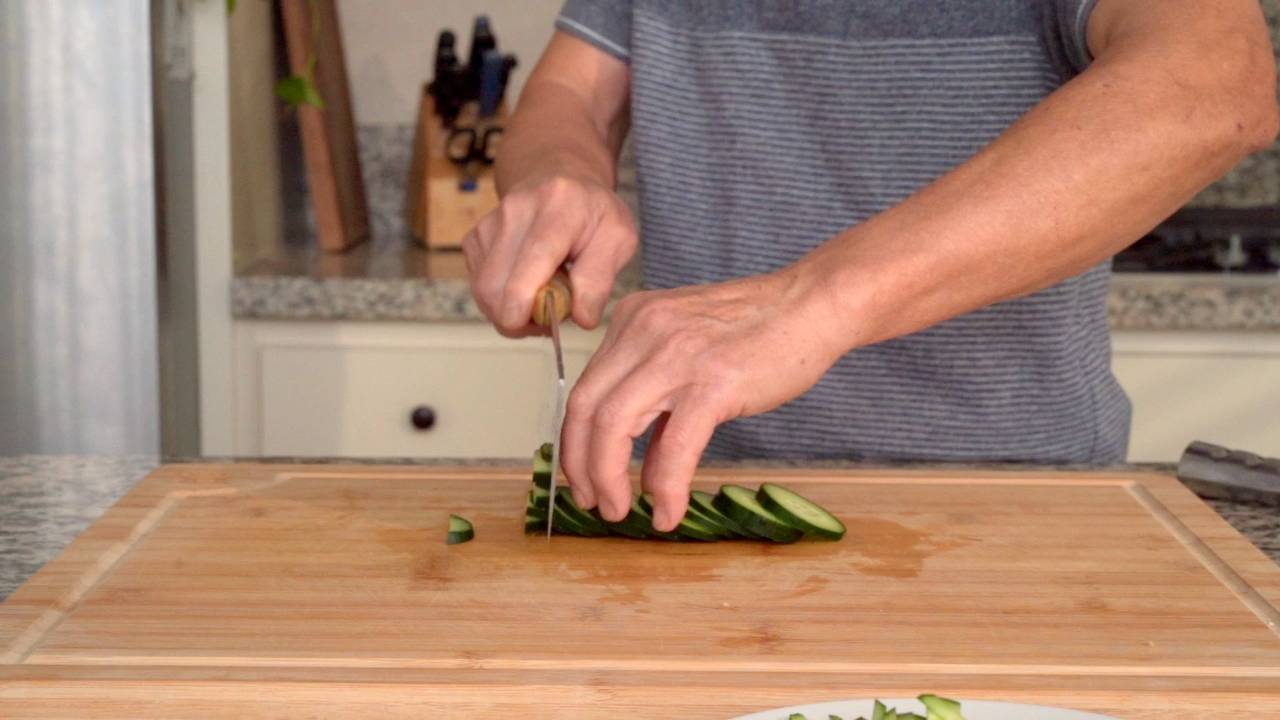
Start congee
Heat water (8 cup) in a large pot on high heat. While the water's heating up, add the dried scallops. Wait until the water is at a rolling boil, then add the soaked rice and the soaking liquid.
The rolling boil is important, as the movement of the water is critical to keeping the rice moving and preventing sticking (and burning).
Put the lid on, and when it has come back to a boil, remove the lid, turn the heat to medium, and give it one single stir. Put the lid back on, but crooked, leaving a small gap for steam to escape. Keep it at a boil, without letting it boil over, for about 25 minutes.
Mince & wash pork
(Daddy Lau's pro-tip #2: Freeze the pork just a bit before cutting, to firm it up, or only half-thaw fully frozen pork. Then it won't jiggle as much, and it'll be very easy to cut!)
Cut the pork butt (0.50 lb) into slices, and then halve any of the slices that are too thick. Then, lay the slices down to cut into strips. Finally, line up the strips to dice the pork into small pieces.
Rinse the chopped pork with water to get rid of the gamey, bloody taste. The rinse will also help the pork appear paler and brighter in color. Let the rinsed pork sit in a colander so the excess water can drain off.
Marinate pork
Mince the ginger (0.25 oz) by first slicing it, then cutting the slices into strips, and then finely dicing those strips. Put the ginger in a bowl and add salt (1.5 tsp), white pepper (0.25 tsp), cornstarch (2 tbsp), water (2 tbsp), and baking soda (0.50 tsp). The baking soda is optional, but it'll really help get the pork get more tender.
Then mix it together, and toss the pork in. Mix the pork with the marinade well. Add sesame oil (1 tsp) and mix again.
Prepare other ingredients
Grab a clean cutting board; you don't want raw pork residue on your garnishes. Chop cilantro (1 small amount) and green onion (1 small amount).
It's up to you how finely to chop them, but the more pungent parts, like the cilantro stems and lower, paler parts of the green onion, may be very punchy if they're cut too big.
Peel the century eggs just like hard-boiled eggs. Cut the first one into wedges. With the other two, cut first into wedges and then into smaller pieces.
Whisk congee
At this point, the congee base is finished cooking.
(Daddy Lau's final pro-tip: whisk your congee!)
Turn the heat down to low, and mix the congee with a whisk to break the rice down even more and thicken the congee. Usually, if cooked the old-fashioned way, we'd have to keep boiling it for at least an hour to get it to that smooth, full-bodied texture.
The congee might have gotten too thick after whisking, so add boiling water to thin it again if necessary. Don't forget that the other ingredients we're adding later will also thicken it back up.
Our family prefers it on the thinner side, as it's less likely to stick to the pot.
Add pork
Turn the heat as low as it'll go, then slowly drop small amounts of chopped pork onto different spots on the congee surface. You want them to end up as small clumps of meat, almost like little meatballs.
Give the congee a gentle stir so that the meat doesn't stick together, or to the pot. Turn up the heat to medium low to help cook the meat through, and to thicken the congee further, for about 3 minutes. Since the meat is in small pieces, it won't take long to cook through, and they'll stay tender.
Once the pork just turns light brown, turn the heat to low, taste, and adjust for flavor. If it tastes bland, add a small amount of salt. If it's too thick, add more boiling water.
Add century egg
Add the smaller pieces of century egg into the congee, and gently mix them in.
Transfer congee to bowl & garnish
After 30 seconds, giving the century eggs a chance to impart some flavor to the congee but before they disintegrate, turn off the stove and transfer the congee to a serving bowl. Top with the century egg wedges, and the chopped cilantro and green onions. Enjoy!
Made with love ❤️
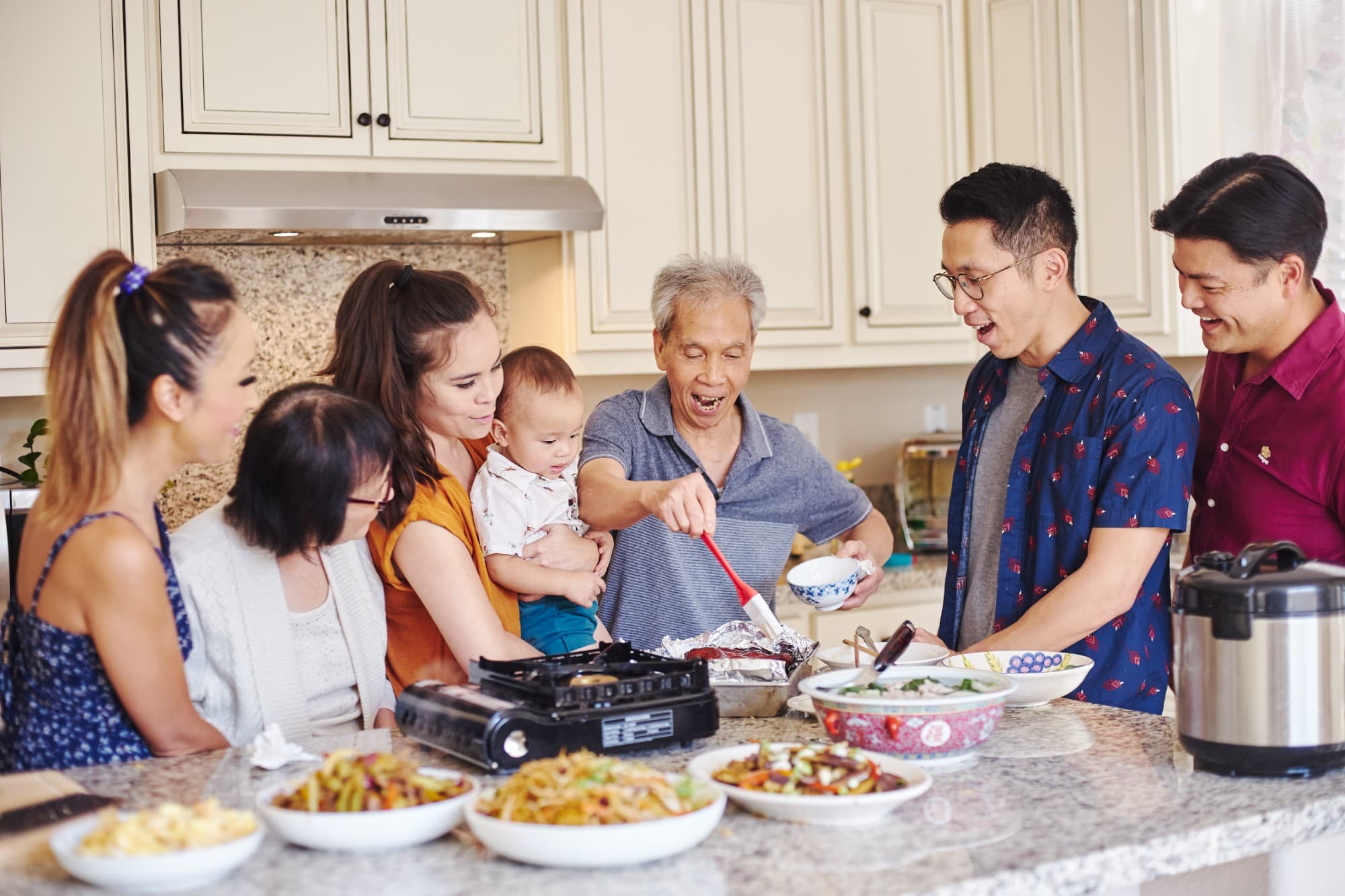
We started Made With Lau to celebrate Cantonese culture and honor the legacy of our wonderful parents, Jenny and Chung Sun Lau.
Our hope is that these recipes and stories help you spread the joy, love, and nostalgia that I felt growing up.
